


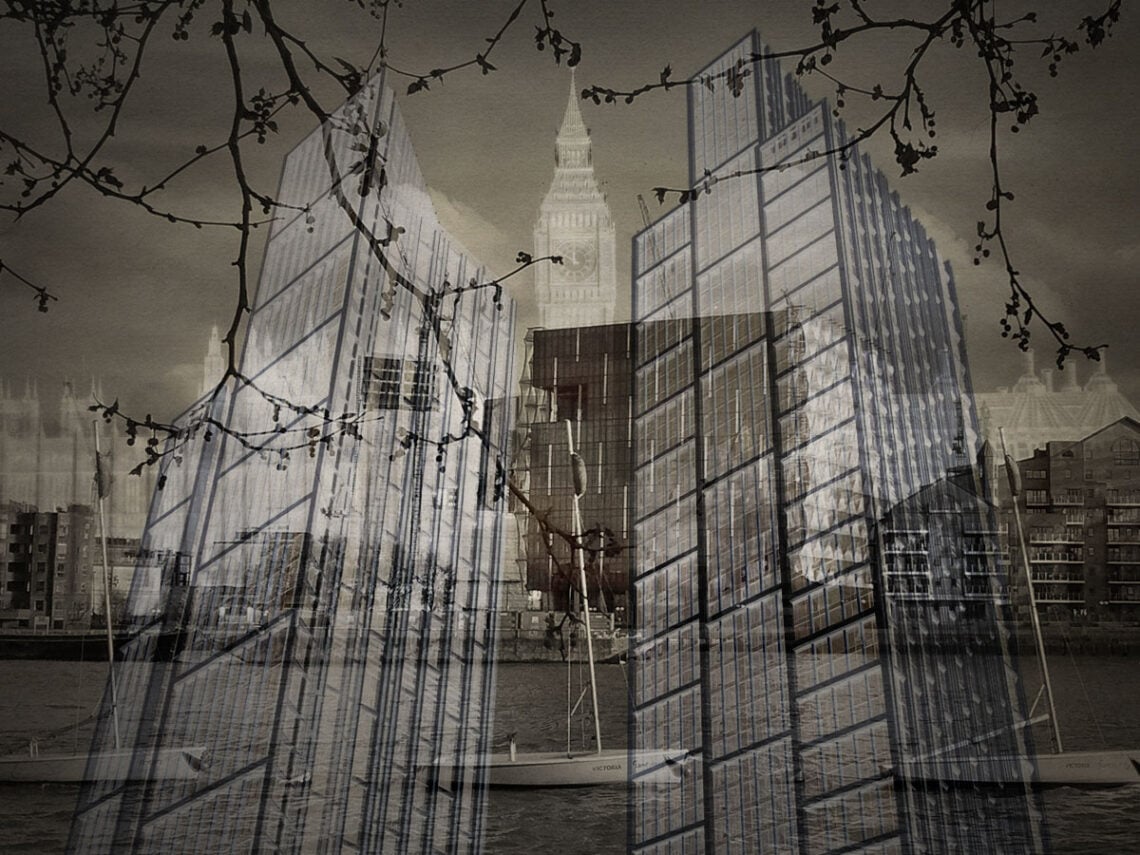
The silent city: How London’s ghost districts are hollowing out the capital

Sometimes, walking around London, as you look at the reflection of street lamps in the gentle swells of the Thames, you have to pinch yourself to make sure you’re not in a film, and while Soho might not be what it once was, it still has something about it.
Stroll past office workers standing outside boozers, and through clouds of Lost Mary, and you’ll feel alive, and even after the suited workers have eventually gone home to their families, the city is still abuzz, your path crossed by scavenging foxes and Deliveroo riders whizzing past on e-bikes. Carry on walking, and you see a skyline that radiates wealth, tall tower blocks broken up only by cranes building a new horizon, but something feels off. These gargantuan high-rises barely glitter, very few lights are on, and there are no silhouettes or life to be seen anyway; it all feels so, so quiet.
London has become a city that’s increasingly populated with homes, but in some areas of the capital, it’s severely lacking in residents.
We talk about the housing crisis in the United Kingdom with numbers and data, and we hear of rising rents and record house prices, the mega deposits and the many people under 40 who don’t own their own homes. Then we hear the real-life stories, the young people forced to move away from where their family have lived for generations, just to be able to afford to live, or those who are stuck living with their parents until their 30s because of the prohibitive cost of housing.
However, on the other side of that, there are entire districts in London, such as Nine Elms, that are barely inhabited. Homes are being built, completed and sold, yet the lights are never turned on, making for crisp, new apartments that would make incredible homes, just being kept empty, as financial investments.
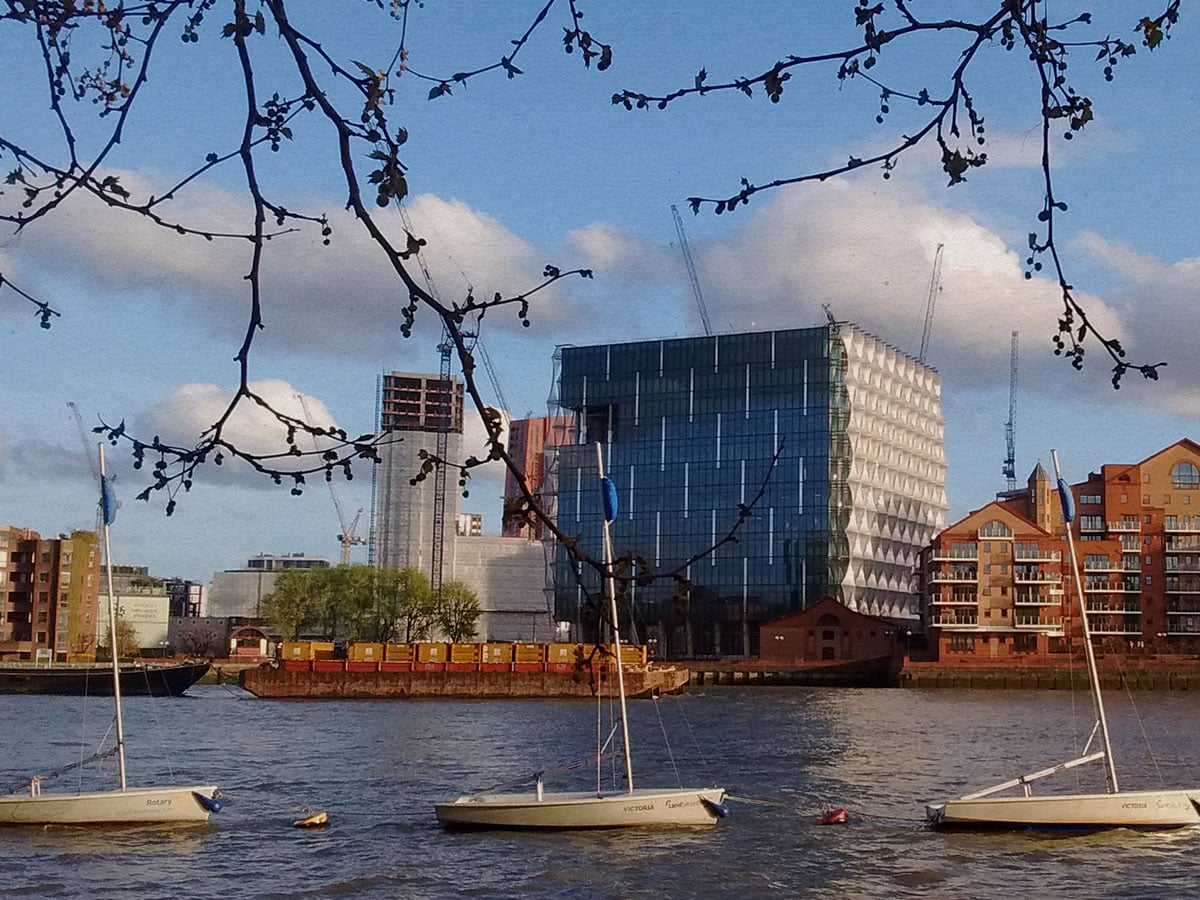
Debate around empty houses isn’t new, but it’s accelerating, with new developments sold to overseas investors or rich buyers who only visit infrequently, if at all. When you see marketing spiel in Arabic, Mandarin or Russian, it’s clear what these new apartment blocks are being built for, but this isn’t about vilifying those who are buying, it’s about a realisation of what this is doing to the city. In London, homes are not just somewhere to live, they’re also, and increasingly, vehicles to park capital.
You can’t blame people for looking for safe and secure ways to invest their money, but when a housing market swings too much towards investment over actual housing, it begins to eat away at the city itself, and London is a prime example of that. Neighbourhoods need life, and without the hustle and bustle of people living their lives, they just become empty, soulless places. You can’t lose those daily routines that flow across the city like the tide, that’s the dog walkers, school runs, post-work joggers, or the rush home at closing time.
Urban life is largely unspectacular, involving queuing for an americano, watching Super Sunday down the pub, or nipping to little Sainsbury’s to pick up something for dinner. However, the mundane repetition is what builds communities, seeing the same person on the checkout, nodding to the postie or grabbing your Big Issue from the guy you see outside your local shop.
If homes aren’t full, then the ecosystem around them withers and dies. The cafes require football and regular customers, the local businesses can’t last as long without customers as the huge multi-nationals and the pubs, and though they survived the Blitz, they won’t last long if they can’t sell enough pints every week.
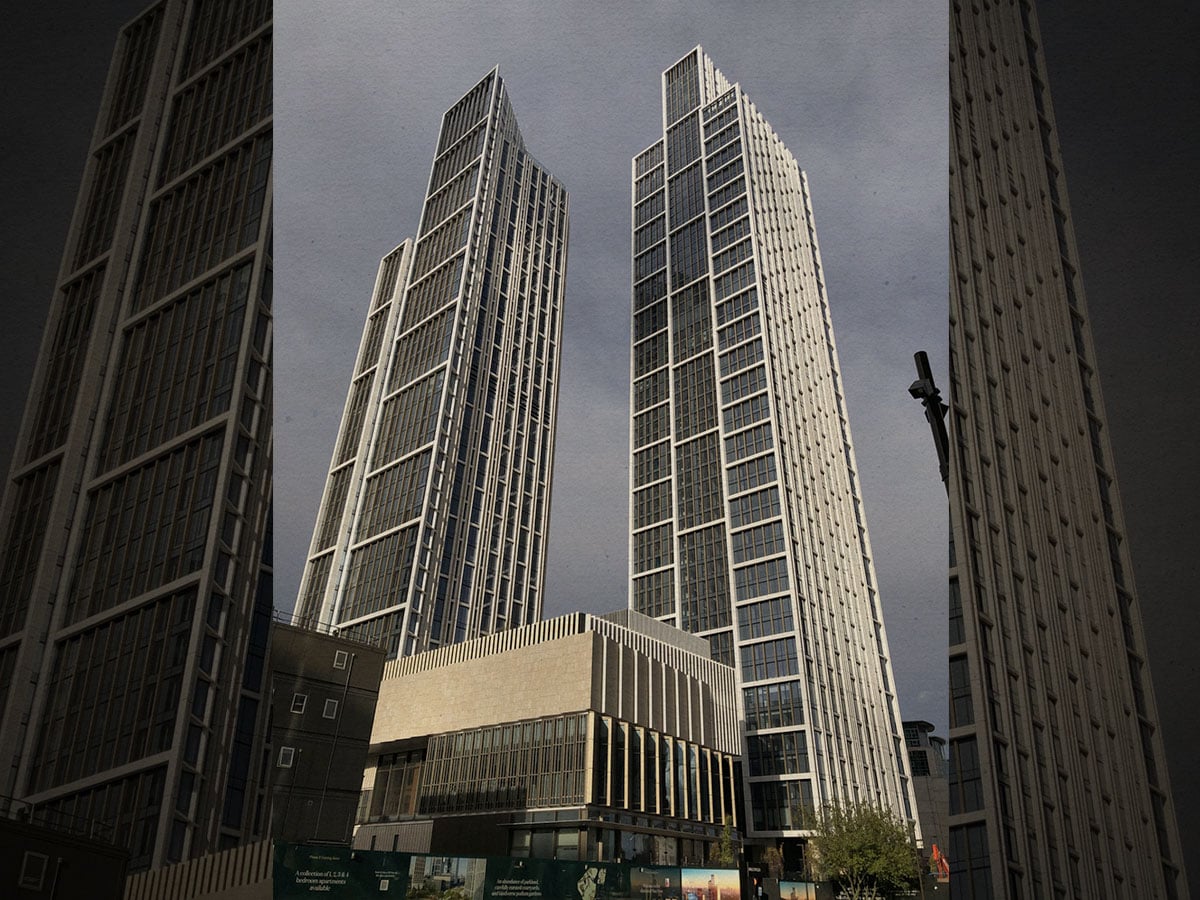
Walk through areas of newly developed London, and you’re met with a weird sensation. The streets are immaculate, the buildings gleaming, large glistening glass lobbies are empty, bar the concierge behind their desk. The gym inside sits dormant, and communal spaces sit quiet. It’s all so sanitised and so clean, looking more like a movie set before filming commences than an actual thriving neighbourhood.
London isn’t dying, it’s too big to fail, but it is withering. Cities are constantly evolving, and London has a long history of being in flux, but this feels very different. While neighbourhoods have always changed and grown, from Windrush to the gentrifiers, we’ve rarely seen an influx of emptiness, of nothing.
The UK, in general, is in dire need of new homes, but when they pop up in London, they’re being bought for something else entirely. There’s a rush to build new housing, but it all feels so futile and pointless when you walk through London in the evening and see so many empty homes, all sustaining an investment portfolio rather than a family.
A city isn’t a spreadsheet; it’s a lived experience, and London has been hollowed out. In a city that offers so many possibilities and potential, the emptiness of Nine Elms, and parts of Battersea and Vauxhall, feels criminal. This is a city that survived the Great Fire and countless German bombs, but to keep breathing, it needs life behind the windows.
