


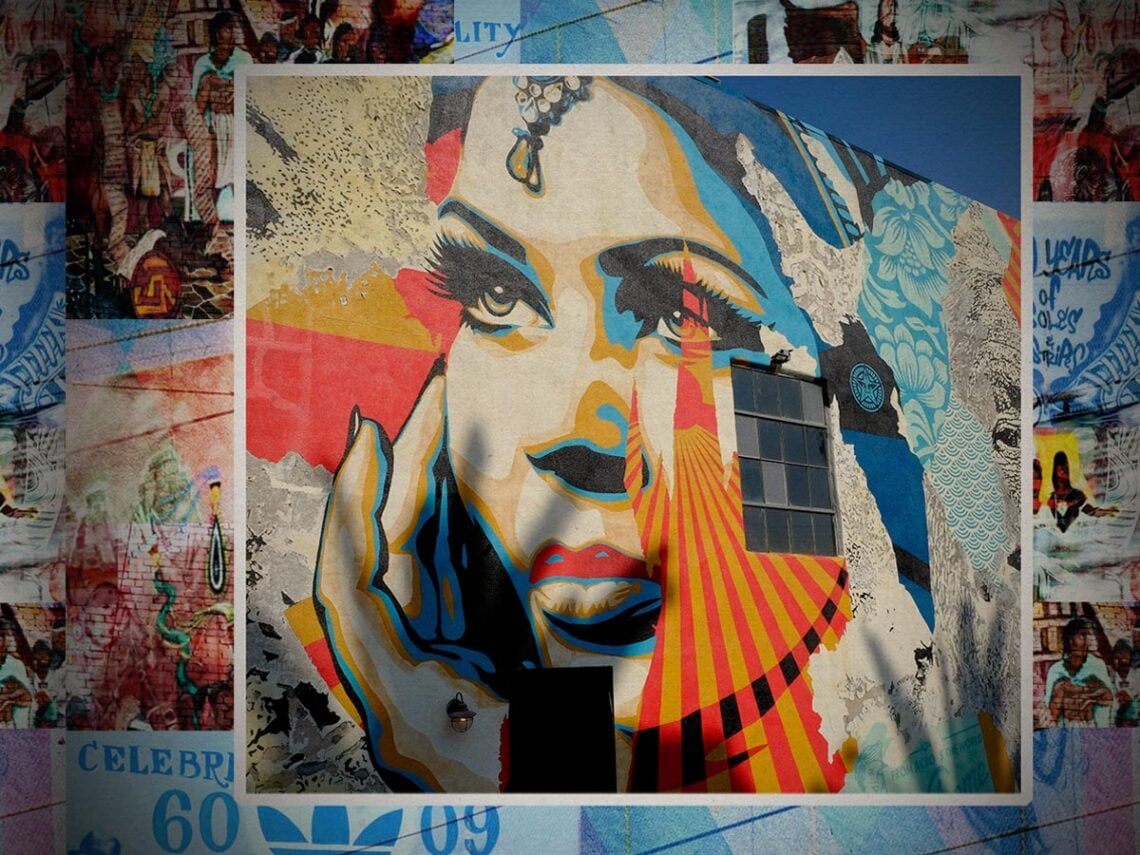
“We want these galleries out”: What is urban ‘artwashing’?

In the fall of 2016, in Boyle Heights – a working-class, Chicanx neighbourhood in Los Angeles – three art galleries were vandalised in the span of a month, with one spray-painted message reading “fuck white art”, prompting a police investigation of possible hate crimes. The charges were later dropped by the gallery owner. But the story didn’t stop there.
“The walls in my neighbourhood are the people’s newspaper. That’s people expressing themselves,” Xochitl Palomera, of the advocacy group Corazón Del Pueblo, told The Guardian, in response to the vandalism in 2016. “You’re talking about someone spray-painting a wall with truth.”
”Whoever wrote that is hurting and is angry,” she continued, “We want these galleries out. They are going to be destructive to the things that we have been creating.”
Natives of Boyle Heights had long protested against the gentrification of their neighbourhood, which increased with retaliation against the influx of gallery owners looking to the area as a space for development, slowly establishing a “gallery row” that bordered Boyle Heights and the downtown Los Angeles “arts district” between 2015 and 2018.
As similar practices began to show among developers, gentrifying neighbourhoods through the utilisation of art, activists defined such instances as “artwashing”, a portmanteau of the words “art” and “whitewashing”. Other forms of “washing” coexist to determine methods of deception in marketing towards the public: “greenwashing”, for instance, singles out advertising that promotes “green”, sustainable practices under the guise of a company or product being environmentally-friendly.
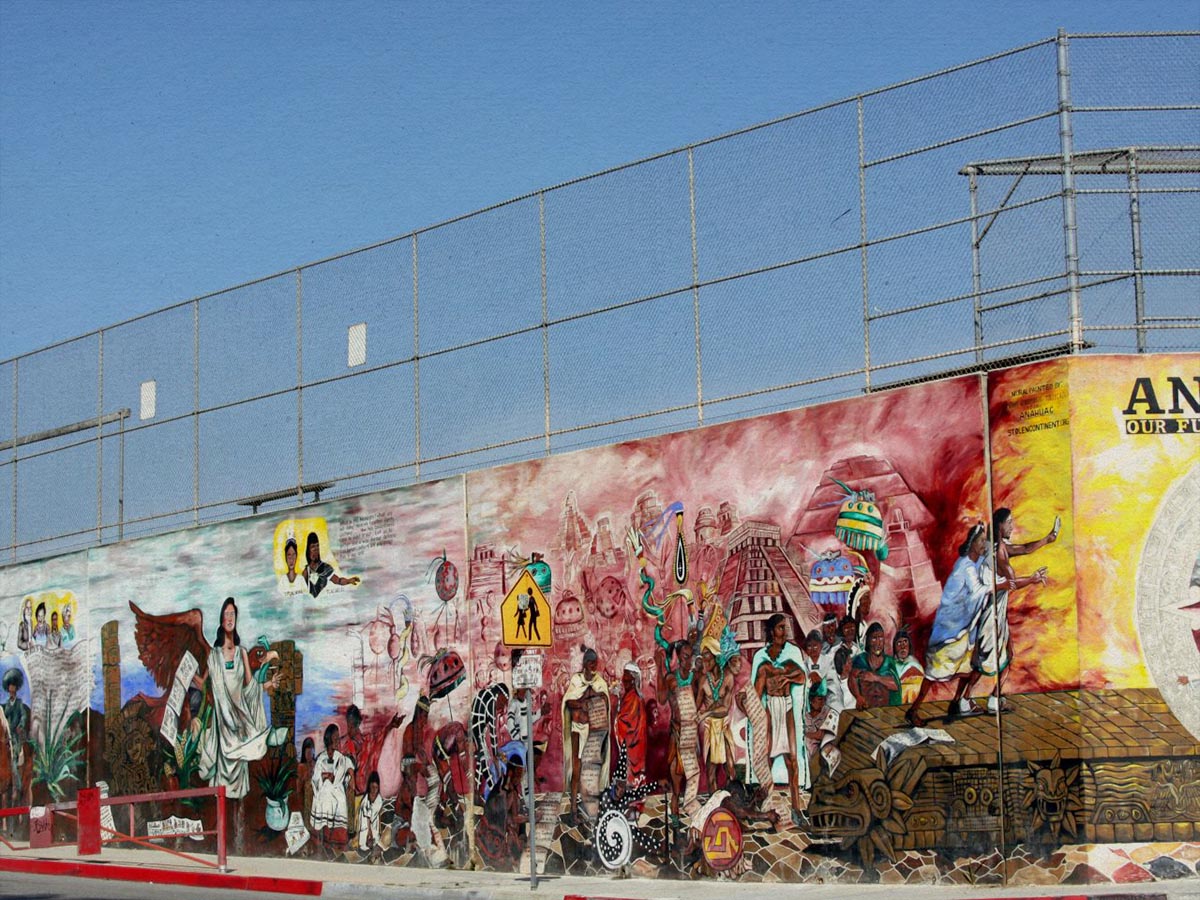
“Artwashing”, in particular, existed long before the term itself. But its most recent form came about as the result of ongoing conversations surrounding the connection between culture and urban development that have persisted for years.
Maxime Pierre, for The ESCP International Politics Society, summarised “artwashing” as “controversial sources of funds being invested openly or discreetly in the arts to launder one’s reputation or wealth”. In short, the concept of artwashing ties back to the practices of gentrification; looking at such practices from an academic lens, art is used to make areas and locations more agreeable to private capital, and to curate aesthetics that appeal to the wealthier classes.
Still, there are wider complexities regarding “artwashing” that pertain to individual circumstances: where ethical lines are concerned, how does the funding of art and culture promote a sense of community? How can it champion the artist directly? Does the artist retain their freedom of speech, and can they, as a result?
More often than not, the term “artwashing” is brandished because the answers to such questions point towards a negative. Where financial incentives are concerned, the act of artwashing, in the simplest terms, serves the interests of the wealthy while contributing to forms of gentrification that harm and exploit a given community.
In contrast, the term “artwashing” has garnered backlash in the years since it gained prevalence in the mid-2010s. Some see the descriptor as being associated with political correctness; others similarly call it a “political watchword”, calling it “nonsense”. The divide in the discourse suggests an overwhelming need for transparency when such instances of “artwashing” are said to take place, to assess how developers are carrying out plans, what effect it will have on local communities and how the latter will retain power in their communities.
Claudia Seldin writes of the A-Fence street-art project in Berlin by developer Covivio, studying “how temporary artwashing during construction can revitalise a small urban area cheaply and independently while programming land speculation and gentrification following private interests”. Through their study, they explain how real estate developers “exploit artists’ labour to revamp their own image through digital marketing”.
As Seldin also references, the relationship between art and urban planning has stood for decades, tracing back to the 1980s as large-scale urban renewal, in particular, began to take shape. Constant questions have followed, in turn, regarding how the arts’ influence in urban planning and programming in cities distorts the influx of gentrification practices; that is, where is the line between those with capital and social influence platforming artists, versus taking advantage of their talents for the former’s gain?

A prickly problem
Can such a line exist, or do all of these initiatives effectively ignore social inequalities and foster power imbalances and displacement?
Artwashing pervades multiple forms of marketing and practice. Identified by Stephen Pritchard, artwashing can be seen within corporate settings, meant to bolster the reputation of a given organisation, led by developers to boost the appeal of real estate from a high-end standpoint, and by local authorities, wherein different cultural initiatives are utilised to “rebrand” areas for potential redevelopment.
These all point to the question of who the artwashing is supposed to benefit: the local communities or the developers? Is there potential for the answer to be “both,” or is the presence of “artwashing” too inherently problematic?
In 1999, the UK, under the New Labour government, introduced an “Urban Renaissance” agenda within policy discourse. This initiative was seen similarly in the United States, where, among various plans for urban development, “arts districts” and “cultural hubs” were established alongside theatres and convention centres.
In the UK, multiple initiatives were implemented, from tax incentives to the lifting of urban planning restrictions, while canals, railway yards and industrial sites were also set to be redeveloped.
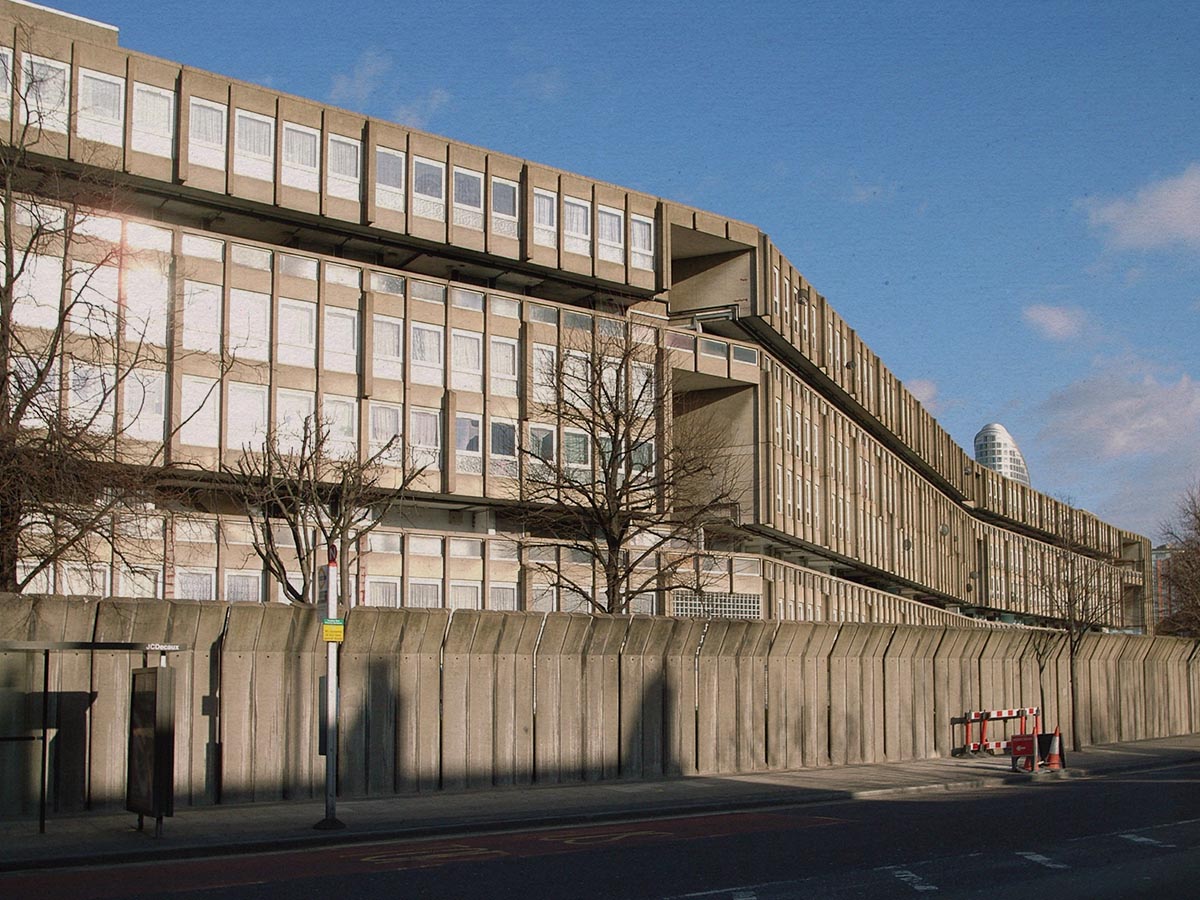
Where art was concerned, the methods of redevelopment saw public art implemented alongside flats, offices and townhouses. Policies aimed to utilise arts and culture as methods of addressing urban decline. While there were initial positives in boosting an artistic presence in cities across the UK, there were problematic elements found in how such projects would serve to benefit communities long-term.
In London in 2017, the Victoria and Albert Museum salvaged a three-storey section of Robin Hood Gardens, a residential estate in Poplar, London, after controversial plans for demolition. While the plans garnered criticism for the lack of architectural preservation, critics opposed to the V&A’s plans, however, argued that the placement of the Robin Hood Gardens fragment in a museum space removed it severely from its social context and obscured the history of displacing residents, following its demolition.
This instance is often cited by public debate as a form of state or institution-led artwashing, in framing the cultural context of the estate and its redevelopment outside of its social consequences.
Such are just two instances of broader, complex conversations that have been had surrounding artwashing and the many contexts in which such practices are found. The debate of the concept has been ongoing for well over four decades, and continues with discussions regarding the contrasting effects of artwashing on both communities and artists alike.
