


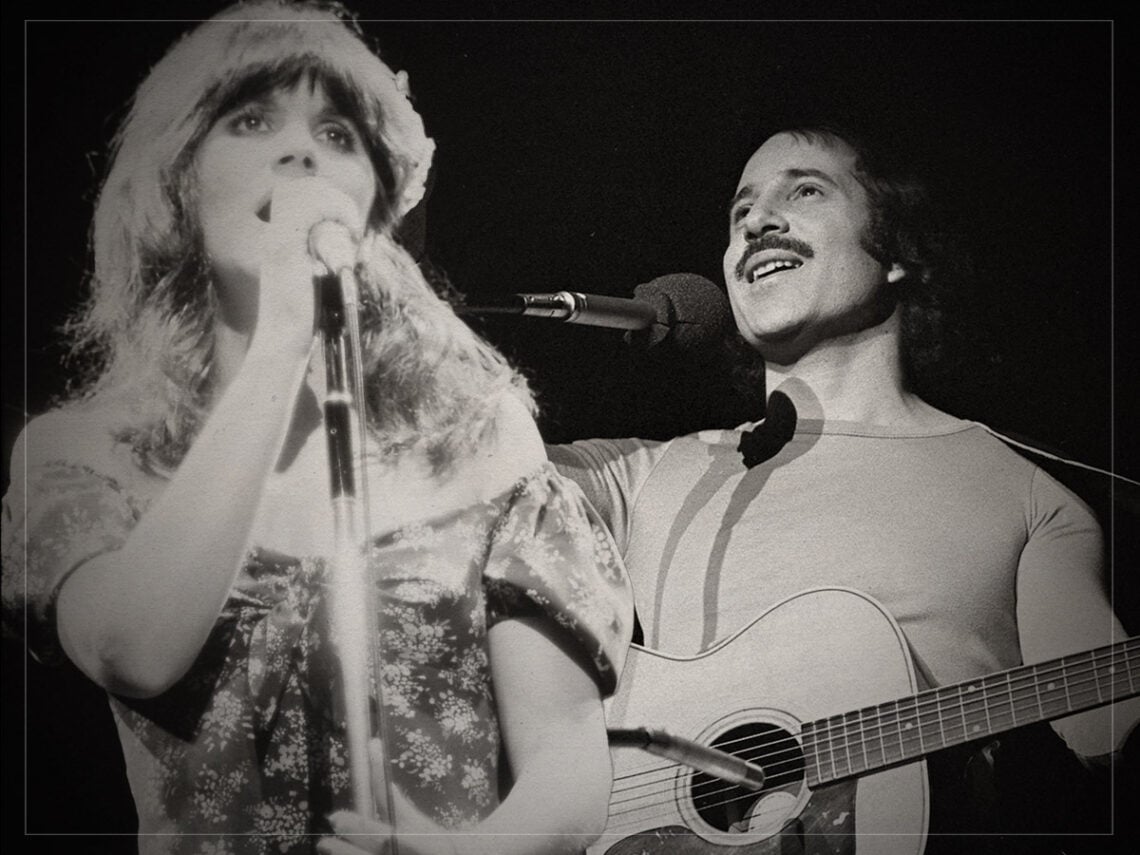
“A mistake”: How Linda Ronstadt almost ruined Paul Simon’s masterpiece

When Paul Simon set out to make Graceland, he wasn’t thinking about the broader political positioning it indicated. Instead, he was more excited by how it sounded, wanting to spotlight the many voices that would never have the platform to let their talent shine.
The first seed of inspiration stemmed from a conversation he’d had with Saturday Night Live band alumnus Heidi Berg, after she’d presented him with the sounds of Johannesburg street music. Simon became especially excited by how uplifting its grooves seemed, which, incidentally, was the perfect fodder for his next record.
As he said himself in 1987 – a year following its release, with controversy surrounding the project still very much alive – the music he’d heard during those moments with Berg carried something inexplicably joyous, and felt like an authentic soundtrack for the summer period, but which also seemed reminiscent of “Black, urban, mid-50s rock and roll”.
Listening to it solely for enjoyment quickly became something more practical as he started mulling over certain melodies he’d use for his own material, the entire process remaining centred on the simple art of fun. That atmosphere carried over into the studio, with Simon arriving without much material already up his sleeve, rather than anything more firmly rooted in the cultural conversations or controversies unfolding at the time.
Which, as we know, stemmed from the broader artist boycott of South Africa to kick back against the apartheid government. Simon, of course, knew of the implications of Graceland before he’d even set foot overseas, and spoke to Quincy Jones and Harry Belafonte following his involvement in charity single ‘We Are The World’ about whether it would be in poor taste or not.
The pair encouraged him to go, but suggested he seek permission from ANC. However, Simon decided not to because he thought that doing so would immediately make the record something that it wasn’t, even though, by definition, its proximity to specific cultural affairs landed it in those categories anyway, regardless of whether he approached the situation more subtly. Still, he really did believe that it was in good faith, or, as he put it, he was simply “following my musical instincts in wanting to work with people whose music I greatly admired”.
That said, before he started creating the record, artists had united to make a statement by boycotting Sun City, the South African luxury resort, where many artists were still accepting large sums to perform. One such singer was Linda Ronstadt, who received $500,000 to perform at the resort a few years before Simon recorded Graceland, which many understandably saw as a direct move in support of everything they were seeking to oppose.

So, when people caught wind of her involvement in the record, they also saw this as a move on Simon’s part to demonstrate his own political leaning, even though he remained adamant that he wasn’t unleashing any surprise sociopolitical positioning at all, much less representing either side of the debate by involving artists who seemed to shout their opinions loud and clear.
From Simon’s perspective, though, that wasn’t exactly Ronstadt’s intention either. As he later reflected, he knew she wasn’t pro-apartheid, calling her decision to perform a “mistake”.
He also described her as “extremely liberal in her political thinking”, making it clear where she stood despite the implications of her actions. Regardless, her stint at Sun City meant that attention quickly turned to this instead of the music or the fact that Simon had wanted to make his “own statement” away from the noise. In time, however, the story flipped, and Graceland is now openly celebrated for being Simon’s most career-defining masterpiece.
