


Did John Waters’ film ‘Serial Mom’ predict the rise of true crime obsession?

The widespread obsession with true crime that has dominated our media over the past decade is nothing new. From the proliferation of Netflix documentaries to podcasts, YouTube videos, and TikToks, people will resort to various mediums to hear stories about dramatic real-life incidents, ranging from unsolved missing person cases to tales recounting brutal murders. This true crime phenomenon has been a cultural sensation for decades, taking the shape of television specials, books and more, often creating a bizarre form of celebrity out of the criminals involved.
Most recently, the case of Gypsy-Rose Blanchard has been unavoidable, especially if you own a TikTok account. After serving eight years in prison for second-degree murder, Blanchard was released in December 2023. Due to the complex nature of the crime – she had arranged for her online boyfriend to kill her abusive mother – Blanchard was met with an outpouring of support from millions of people on the internet. People quickly made fan edits of her and labelled her as innocent (citing the fact that she didn’t kill her mother with her own hands), turning her into an instant celebrity.
Within a week of her release, a docu-series about her ‘prison confessions’ was made, following various previous pieces of media about Blanchard’s story, such as the dramatic miniseries The Act, released in 2019. Blanchard’s case is just one of many that people have become obsessed with in recent years, speaking to a collective interest in morbid tales, made even more fascinating due to the fact they really happened.
People seem to love publicised trials, unsolved cases and barbaric tragedies – especially when there’s an interesting character at the centre of it all. For decades, people have taken interest in serial killers and cult leaders – figures who managed to get away with a substantial number of crimes before getting caught – such as Ted Bundy, Charles Manson and Richard Ramirez. Some people go as far as to turn these figures into bizarre figures of worship, making fan pages for these criminals and somehow ignoring the heinous acts they committed.
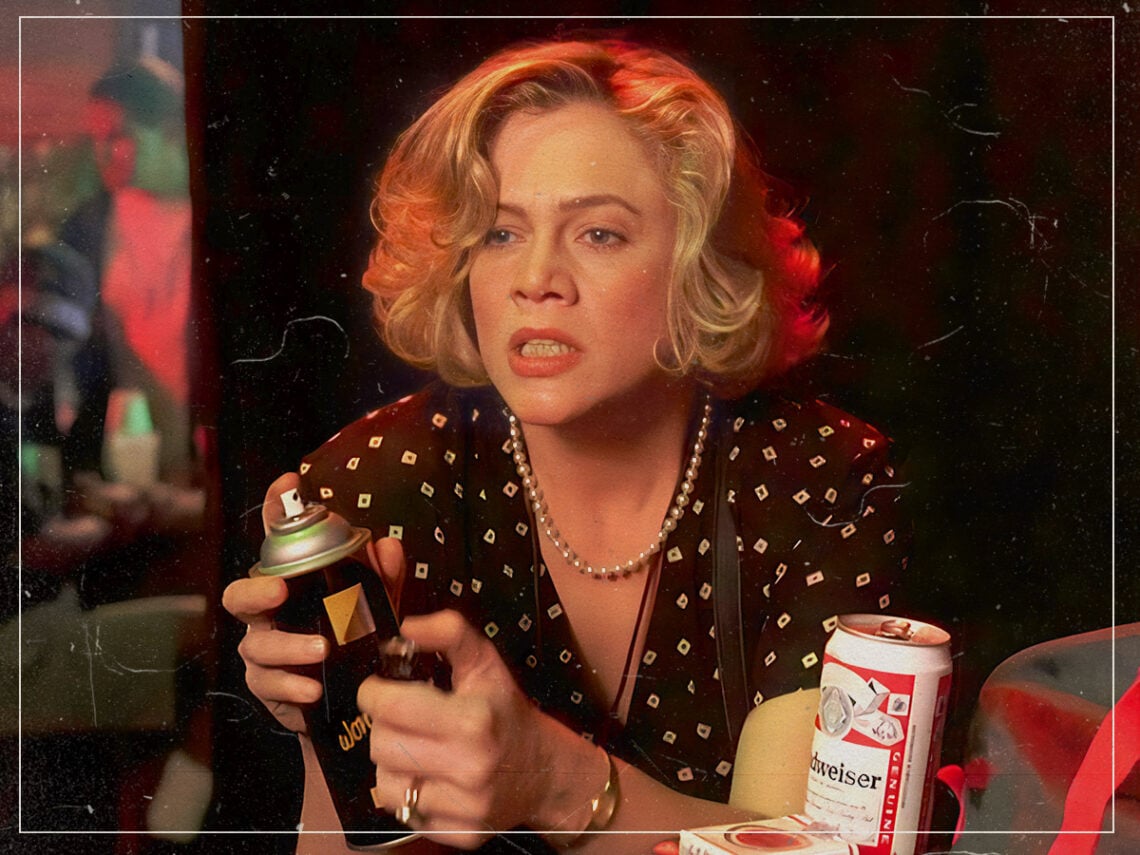
Back in 1994, John Waters, known for making movies like the grotesquely outrageous Pink Flamingos and the more commercially viable Hairspray, released Serial Mom. It is arguably his most enjoyable film, blending the sheer campiness and shocking (albeit less stomach-turning) nature of his early work with the accessibility of his output from the ‘80s onwards. The movie features Kathleen Turner in one of her best performances as Beverley Sutphin, a housewife who appears, on the surface, like the perfect, morally good, suburban woman. She lives in a picture-perfect neighbourhood with her two children and her husband, enjoying the ‘twit twoos’ of the birds outside.
Yet, Beverley is prone to snap, and it doesn’t take long for us to discover how morally corrupt she is. From engaging in lewd prank calls (“Is this the cocksucker residence!?”) to going on a murder spree, Beverley is the antithesis of what her outward appearance seems to suggest. She switches her animated smile to a menacing look of determination whenever it is time to turn on murder mode, ruthlessly killing anyone that mildly offends her. For instance, she runs over and kills one of her son’s teachers after he gives less-than-exemplary feedback at parent’s evening.
By the last act of the film, Beverley is a celebrity. Due to her appearance as an all-American suburban mother, the public become intrigued by the case, dubbing Beverley ‘Serial Mom’. Her children embrace her status and even flog merchandise to Beverley’s fans. Successfully avoiding jail by manipulating everyone at trial with her sharp wit, Beverley walks away free, although she doesn’t even make it out of the building before she resumes killing (because of the colour of one of the juror’s shoes).
Waters’ film takes a satirical look at our obsession with true crime, exploring what happens when we turn a criminal into a celebrated figure. He highlights the absurdity of this act, although this is not something he himself is above – he previously struck up an unlikely correspondence with Leslie Van Houten (a former member of the Manson family) through a prison penpal scheme.
Waters’ film taps into the cultural true crime phenomenon that was soon to boom in a way it never had done before. Only a few months after the release of Serial Mom, the O.J. Simpson trial began, which became one of the most publicised in history. Waters questions why we are so obsessed with hearing stories about other people’s suffering and why we turn criminal figures into something bigger than they should be, regardless of whether we think they are innocent or not.
True crime media has long been criticised for being disrespectful to the victims and giving unnecessary attention to the perpetrators of the crimes. At the end of the day, there’s an innate human curiosity to hear these stories, which Waters explores through his film with his classic sense of dark humour. He satirises what happens when our interests in real cases are thoughtlessly taken too far, inadvertently foreshadowing American society’s obsession with true crime media.
