


How Gaspar Noé’s ‘Irreversible’ came into trouble with UK censors

Gaspar Noé has long caused controversy; it just seems to be built into his DNA. From the moment he began making films, he asserted himself as an enfant terrible of French cinema, with early films like Carne and I Stand Alone taking on some pretty taboo topics, like incest.
Emerging around the time of a wave of movies coined New French Extremity, the Argentinian-born Noé, who emigrated to France when he was a teenager, joined the likes of Catherine Breillat and Bruno Dumont as key figures in this unofficial movement, preoccupied with exploring the more visceral and violent sides of humanity, namely in relation to sexuality. Movies like Fat Girl, Baise-moi, Trouble Every Day and Pola X took an unflinching look at sex, often exploring heavy themes like rape and even cannibalism, pushing the boundaries of the cinematic medium to depict a world of pure transgression and brutality.
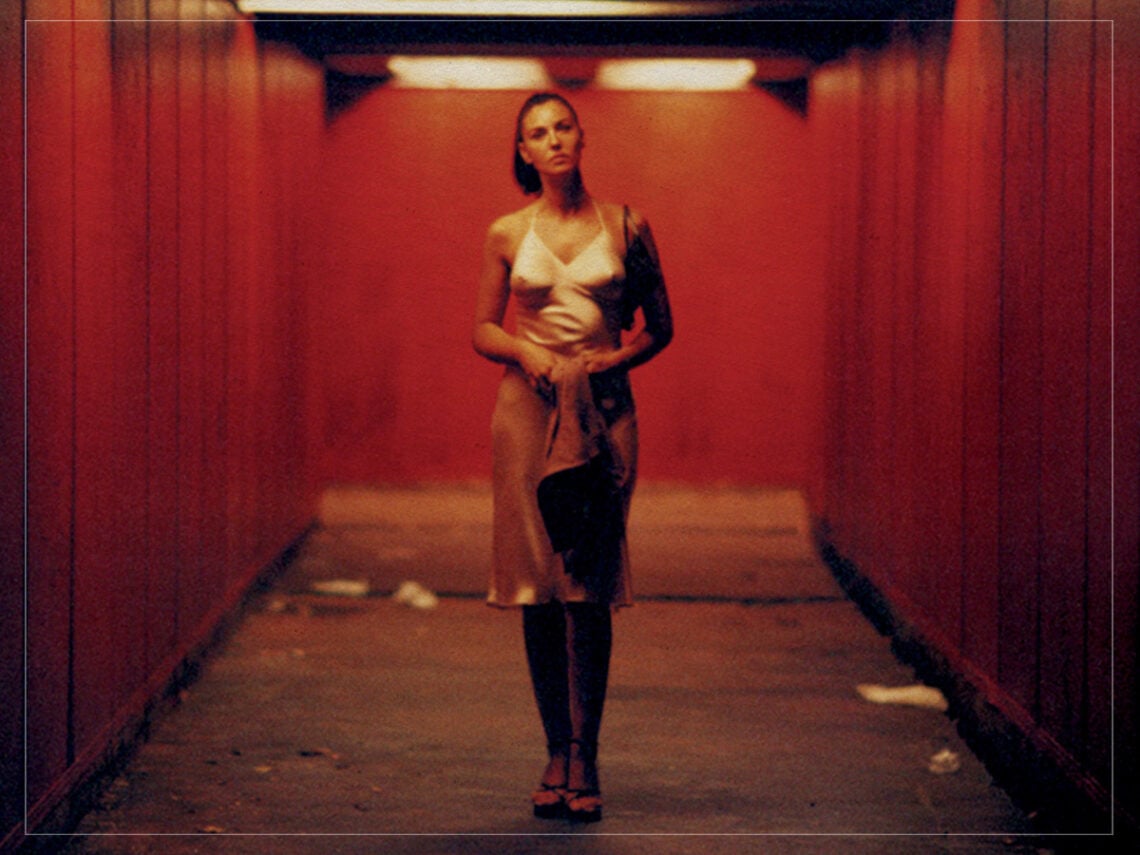
Then came Noé’s Irreversible, complete with a soundtrack by Daft Punk’s Thomas Bangalter and even a low-frequency background sound meant to induce nausea in the audience. The film uses unconventional formal techniques to tell the story of two men’s quest for violent revenge when Monica Bellucci’s Alex is brutally attacked and raped in an alley. Told in reverse, hence the name, we witness violent fights, including the image of a man getting his head caved in with a fire extinguisher, and most infamously, a ten-minute-long brutal rape sequence.
This was the primary issue that critics and audiences had with the film, and even today, the debate surrounding whether this was an exploitative and unnecessary addition to the film lingers on. To some, it’s totally unwatchable, detestable even, but others see this drawn-out, ultra-realistic scene as necessary in depicting the sheer horror of rape.
Still, with this scene, which sees Alex writhing on the floor of a dark alley as she is violated from behind, sitting alongside other depictions of relentless violence, all captured with an uneasy, rotating camera, it wasn’t going to be released without being thoroughly studied by censors first. Britain’s censorship board, the BBFC, have been known to ban films that, really, aren’t that traumatising, like The Texas Chain Saw Massacre, so when it was met with Irreversible, you’d think that they would’ve raced to cut huge chunks of the film or even just ban it altogether. Surprisingly, it was passed uncut for theatrical release, with a clinical forensic psychiatrist giving the movie the go-ahead, suggesting that, while undeniably horrific, the film didn’t do anything to titillate or encourage violence or sexual abuse.
However, when it came to its home video release, the issue of censorship returned. The BBFC didn’t want to release the full uncut version on DVD, which led Noé to declare that he’d much rather the movie were just outright banned in the UK instead. To cut the movie in any way would be to remove the impact that Noé had intended, and he wasn’t going to let this fly; his artistic vision couldn’t be compromised for the sake of a DVD or VHS release.
It took the BBFC several months to decide what to do about Irreversible coming to home video, even though they’d let it into cinemas with an 18 age rating. Metro Tartan, the film’s home video distributor, were incredibly unhappy with the delay, explaining (via The Guardian), “The film has been passed uncut throughout the whole of Europe both for cinema and video release. We are very disturbed that the BBFC has intimated that it will look at the film in a different context for video.”
Why was there a different standard for home video? Sure, it can be much easier for someone underage to watch a movie if there’s a copy of it at home, while the accessibility of a DVD means people could consume the film, and thus its disturbing scenes, to their heart’s content. In reality, though, few people are likely to buy a copy of Irreversible for any other reason than being a fan of transgressive cinema.
Watching Noé’s film hardly feels like the recipe for the making of a criminal, for it’s a horrific viewing experience, standing as a warning, an encapsulation of true human depravity and the horrors of male violence, which the director captures with sickening accuracy, so visceral and grotesque. In the end, the film was released on video without cuts, and it has since become one of the most controversial movies of the 2000s.
