


How the work of Fritz Lang seeps into the cinema of Tim Burton

For decades, children and adults alike have become enamoured by Tim Burton’s movies, which provide an accessible gateway into all things gothic and spooky. By blending romance and comedy with elements of horror or macabre, Burton is able to explore themes such as death or outsider characters through a romantic and aestheticised lens.
From Beetlejuice and Edward Scissorhands to Batman and Charlie and the Chocolate Factory – as well as series of animated films like Corpse Bride and Frankenweenie – a large majority of Burton’s movies have been huge financial successes. The reason for Burton’s popularity seems to be found in his distinctive aesthetic. Even if you haven’t seen any of his films, you’d likely be able to recognise his animation style, for example.
Burton’s movies typically revel in darkness, although he never pushes this too far. Most of his movies remain suitable for young viewers due to Burton’s subversion of aesthetics – often giving a sense of empathy to characters who appear stereotypically scary. He finds beauty and humanity in the grotesque or unconventional, retaining a level of Hollywood accessibility while challenging the kinds of characters and themes we typically consume in mainstream cinema.
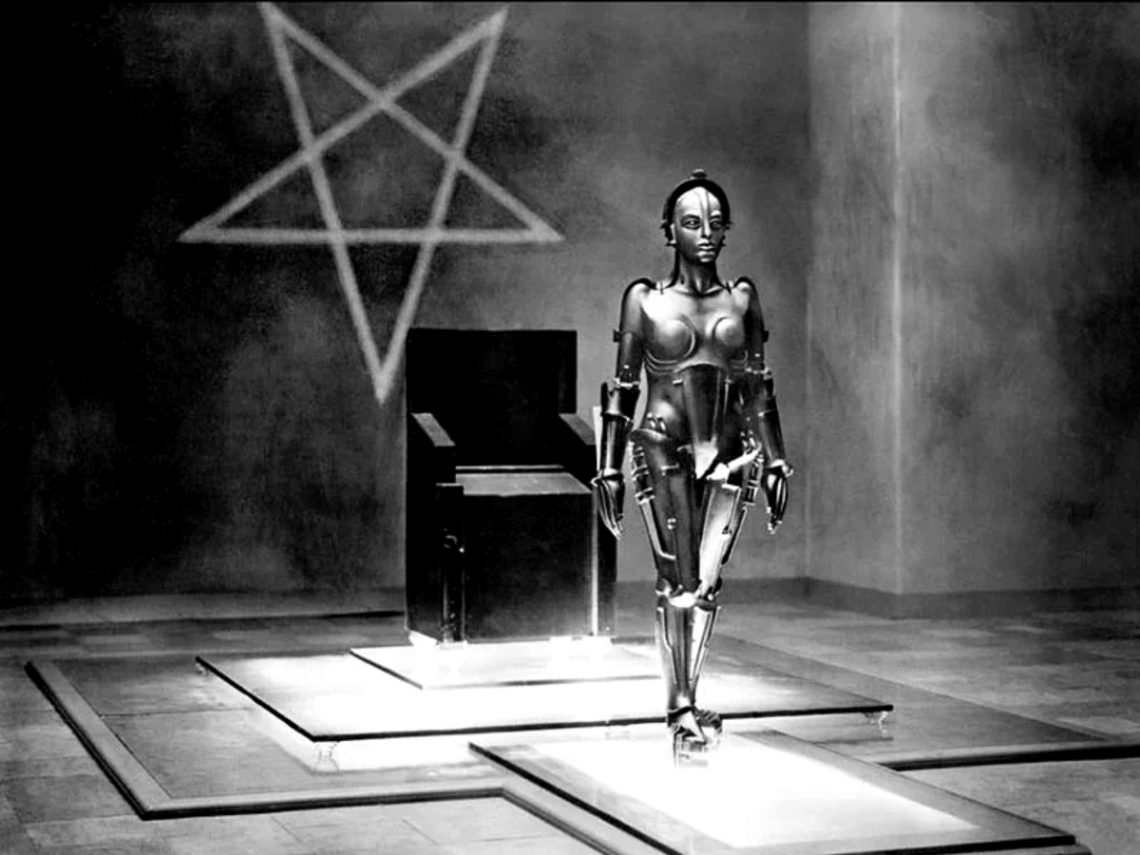
One of Burton’s most prominent influences is German Expressionism, a cinematic movement which emerged after World War One in Germany. Inspired by the horrors of the war, many of these films were concerned with bleak themes, such as murder and a blurred line between good and bad. Fritz Lang was a major figure in the movement, making his first film, Halbblut, in 1919. It wasn’t until 1927 that he made a truly groundbreaking piece of work: Metropolis. An epic piece of science fiction, the movie explores class, technological advancements and dystopia using striking sets and pioneering cinematic techniques.
It remains impressive today, but back in the 1920s, before sound cinema had even been invented, Metropolis blew people away. It truly was a feat of filmmaking which changed the medium forever. Its influence on Burton is apparent in several of his films, such as Batman and Batman Returns, with the filmmaker taking visual inspiration from Lang’s movie when constructing Gotham City.
German Expressionist films, such as those created by Lang, typically featured shadowy cinematography and slightly uncanny set design. For example, buildings were depicted with slanted walls or spiral staircases, giving the effect of something being out of place – evoking an uneasy sense of mystery and the unknown. This permeates throughout the sets of many of Burton’s films, subsequently conjuring up fantasy. However, the difference between Lang and Burton is that the latter leans into the dreamier aspects of fantasy more, while Lang’s films are grittier and more politically-charged.
Lang also made one of the most seminal film noir influences, M, in 1931, which features deep contrasts between darkness and light. However, its thematic exploration of human nature reflects Burton’s preoccupation with characters that society others and looks down upon, such as Johnny Depp’s Edward Scissorhands.
While movies like Sweeney Todd: The Demon Barber of Fleet Street might be more accessible and entertaining to a modern audience than something like Metropolis – a silent film that runs for over two hours – we wouldn’t have any of Burton’s work without the influence of Lang. Both his stylistic and thematic approach to cinema has seeped into Burton’s work, with the director shaping this inspiration into his own Hollywood take on gothic and spooky filmmaking.
