


The Commercialisation of In Memoriam: How ethical are posthumous releases?

“Dying young – good for the record company, but what’s in it for you?” – Bruce Springsteen
15 years on from Cloud Nine, George Harrison began working on a new album, but several delays meant it never saw the light of day. The Former Beatle would pick up the pieces again between 1999 and his death in 2001 but was never able to dedicate himself enough to get it out officially. Leaving specific instructions for his son, Dhani, and longtime collaborator Jeff Lynne, Brainwashing materialised posthumously, sounding exactly like the work of a man who had long been laid to rest.
In Harrison’s case, the ethics are clear—he didn’t just consent to releasing the album after his passing; he pushed it and urged them to get it out there with the level of productivity he had neglected to have since 1987. Sure, certain aspects might have been different had he shadowed its finishing touches, but for all intents and purposes, Dhani and Lynne fulfilled his final dying wish.
Posthumous releases have occurred in music history since day one, with death to the label appearing as beneficial and profitable as anything else that could occur in a musician’s career. Musicians know it too; painfully aware of the ‘everybody loves you when you’re dead’ trope, most of them have given a satirical nod to the idea at one moment or another, including Buddy Holly, who perhaps put it best when he once said death “is a good career move”.
However positive it may be for monetisation, as Springsteen recently said, “What’s in it for you?”. Or, more importantly, how ethical the entire idea is. The example of Harrison’s Brainwashing seems relatively unique when looking at the floods of posthumous releases throughout history. Most songs or albums released after the death of a singer are usually one of two things: planned releases that the musician was working on or unreleased tracks which they never intended to release (or didn’t specify).
This is where we enter the ethical grey area. While it’s clear that it’s more ethical to release music if a person has given consent, if the passing was sudden or unexpected, it’s usually unclear whether they would have wanted their material to go ahead without their input or knowledge. However, this gets more complicated when looking at some of our most cherished artists and the ones whose careers skyrocketed in death.
Eva Cassidy, for one, has had an entirely posthumous career, and the deaths of Elvis Presley, Whitney Houston, Jim Morrison, Jeff Buckley, Ian Curtis, Amy Winehouse, and countless others saw a significant boost in interest and sales after they passed away. In more intriguing cases, the careers of Prince and David Bowie became far more lively and active in death, especially compared with their final years, in which their output had waned significantly against their golden glory days. In this respect, could posthumous success be regarded as a positive way of honouring their legacy and artistic vision?

AI might be altering the parameters of posthumous celebrity mimicry—which is by and large a terrifying prospect in itself—but releasing music after a singer’s death has still always been shrouded in a particular element of uncertainty, no matter how fervently the label or marketing team attempt to blanket it in reverence for the artist’s legacy. Releasing demos and unmixed or unproduced tracks where the artist dies will always be a normalised occurrence, but things become a little hazier when someone else picks up the pieces without prior permission.
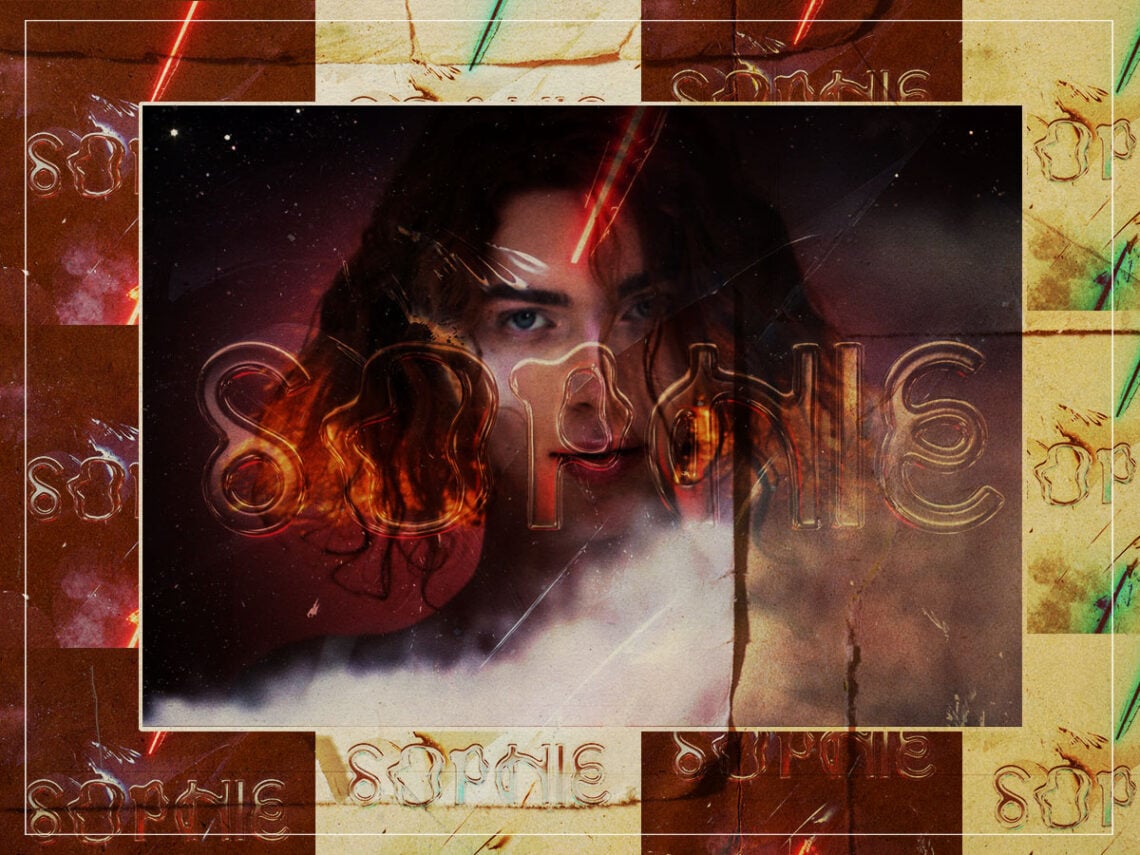
This brings us to Sophie. The electronic music pioneer tragically died in 2021 when she accidentally fell from the rooftop of a building. She had already released her debut album, but her self-titled second album had yet to be completed, despite her making significant tracks to get the album out to her increasing legions of fans. Her brother, Benny Long, and sister, Emily, had been working on her 16-track sophomore album with her before she passed away.
Afterwards, the pair worked together on the album, mainly mixing and mastering the bulk while piecing together others from various demos. However, while it’s unclear what Sophie might have sounded like with the original creator’s input from start to finish, the entire thing feels relatively well-intended, with close family members seeing her final creation to fruition to honour and further her legacy in ways she could no longer do herself.
Many artists continue another’s work after their passing with varying degrees of success, and it almost always feels unethical and a ploy to monetise on the death of someone else. Sophie might oppose this, but this is undoubtedly a unique occurrence, especially when we’re also faced with consistent threads of distasteful executive choices and the unavoidable perils of technological advancements.
In some cases, this feels far more black and white, like the many times Michael Jackson opportunists have profited from unreleased tracks or used AI to replicate his voice. This is similar to why some are uncomfortable with The Beatles’ ‘Now and Then’ and the deep-seated unease that comes with an ‘uncanny valley’ John Lennon singing through the screen in 2024. For the most part, these discussions sit somewhere between basic human decency and Black Mirror—but most of the time, it’s easier to judge if you can measure the amount of consent involved.
In other cases, it’s usually easy to tell whether a project feels legitimate and respectful or whether it seems like a poorly executed marketing campaign designed to profit off the death of a coveted name. Either way, therein lies the issue: with the subject in each case unable to weigh in with their thoughts and opinions, it’s almost impossible to ever arrive at one singular definitive answer.

Never Miss A Beat
The Far Out Beatles Newsletter
All the latest stories about The Beatles from the independent voice of culture.
Straight to your inbox.