


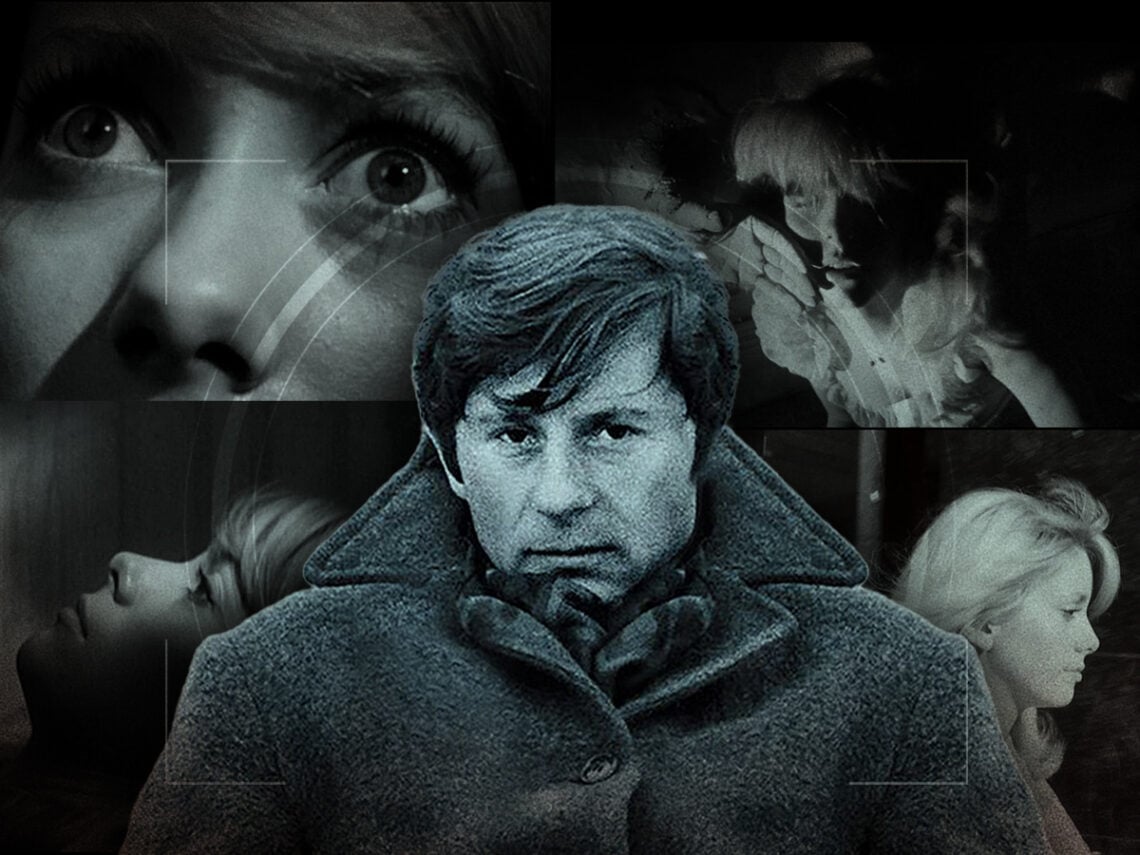
How the hell did ‘Repulsion’ come from the mind of Roman Polanski?

In 1977, Roman Polanski was arrested for drugging and subsequently raping a 13-year-old girl called Samantha Gailey. He eventually pleaded guilty to ‘unlawful sexual intercourse with a minor’ and has been living in exile outside of the United States ever since.
Just two years on from his arrest, the director adapted Thomas Hardy’s Tess of the d’Urbervilles into the film Tess, while movies like Bitter Moon, the Oscar-winning The Pianist, and most recently, the 2023 feature The Palace, have followed.
Somehow, Polanski has been able to work with some huge names, continue to make movies and earn prestigious awards, and has even been backed by big Hollywood figures, like Martin Scorsese and Wes Anderson, who signed the 2009 petition demanding the director’s release following his detainment in Switzerland.
Clearly, being a white male director with a few great movies to your name can guarantee your exemption from the law – even if you’re a paedophilic rapist. The fact that, even now, Polanski is still making movies is just heinous.
Other women have since come forward claiming that Polanski sexually abused them, typically resulting in out-of-court settlements. Meanwhile, during an interview with Martin Amis, the director claimed that “everyone wants to fuck young girls”.
He’s a disgusting man with no respect for women and girls, that much is clear… So, how on earth did he write and direct one of the most unsettling depictions of female repression, paranoia, and male fear in the form of Repulsion?
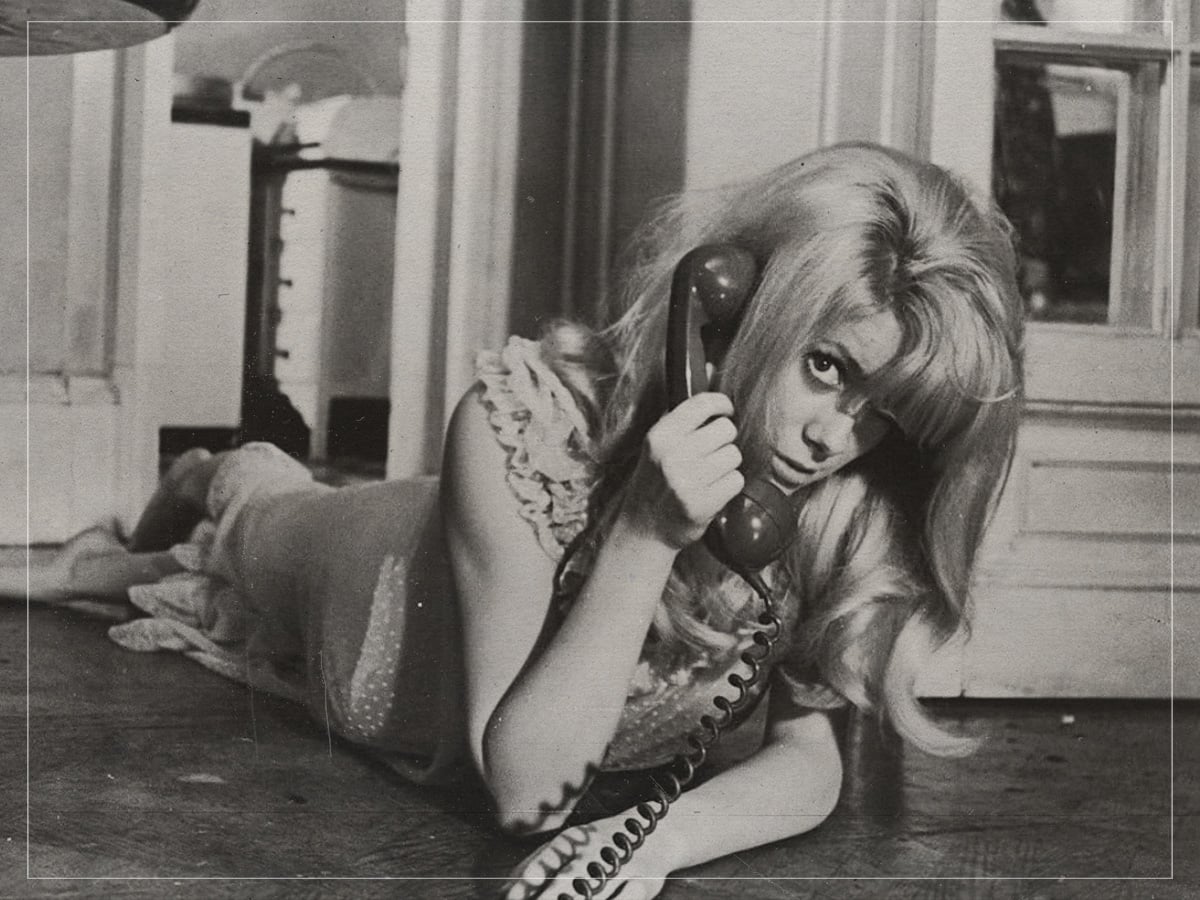
Released in 1965, French actor Catherine Deneuve starred in the lead as Carol, a timid woman living in London who finds the very thought of sex and being propositioned by men absolutely terrifying – she shares an apartment with her sister, whose married lover leaves a mess around the house, much to Carol’s disgust. She is repulsed by the idea of giving her body to a man, finding their leering advances painfully difficult to accept. In one poignant scene, Colin, a man who expresses romantic interest in Carol, attempts to kiss her, but she is so grossed out that she pulls away before violently brushing her teeth to rid herself of the man’s saliva.
The movie then descends into chaos as Carol is left alone while her sister goes away, with Deneuve giving a harrowing performance as she loses all sense of reality. Carol begins to hallucinate, having recurring nightmares of being raped. She becomes so dissociated from reality that when Colin shows up at the apartment, she kills him, and then when the landlord shows up and tries to have sex with her, Carol murders him, too.
She sees hands coming out of the walls and acts incredibly strangely, completely unable to find a sense of stability. When the film ends, we see a photograph on the wall featuring a young Carol looking at a male family member with a rather troubled expression on her face. Polanski seems to be suggesting that part of Carol’s paranoia and repression, which is explored with such visceral emotion and understanding, is down to childhood sexual abuse.
How, then, could Polanski make such a film, only to turn into the very monster that he depicts in Repulsion?… In his acclaimed horror movie, he presents the very real fear that women have of being raped, of being completely taken advantage of, objectified, and leered at, of being treated less than human.
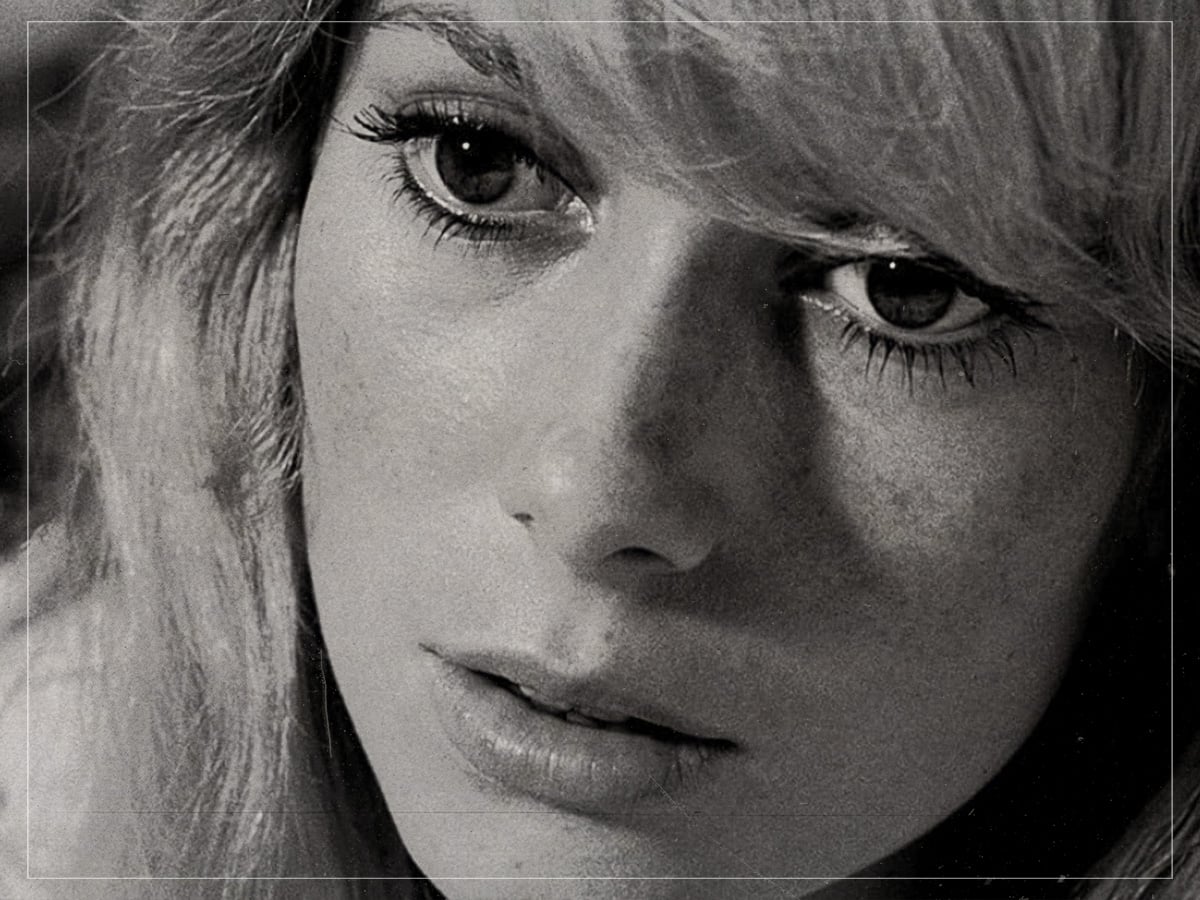
Deneuve brings these fears to life terrifically, with Carol becoming increasingly withdrawn to the point of losing any sense of self, something that can happen to many survivors of sexual abuse, especially those who were abused in childhood by a family member.
Many argue that Polanski was never the same after the murder of his wife, Sharon Tate, and their unborn child at the hands of the Manson Family. He claims to have turned into a pessimist following the 1969 tragedy, and I’m sure that his personality certainly did change in the wake of such trauma. But that doesn’t turn you into a child abuser. There’s absolutely no excuse for that.
Polanski must have always had these perverse desires inside of him, and because he knew their power, perhaps that’s why he was able to accurately make a film about abuse. He wrote what he knew – even if, at this point, he’d never acted on any of these desires.
Therefore, Repulsion provides an interesting viewing experience, because it becomes impossible to separate the art from the artist. How can you watch a film about a woman fearing male power and rape, and not be reminded of the fact that the director went on to rape a child? We must acknowledge this fact when we watch the film, but perhaps we can use this to delve into the irony that lives within the hearts of many men?
Sometimes men are trustworthy, sometimes they seem to understand, but that innate fear of being assaulted – the feeling of never being truly safe as a woman – is always there.
