


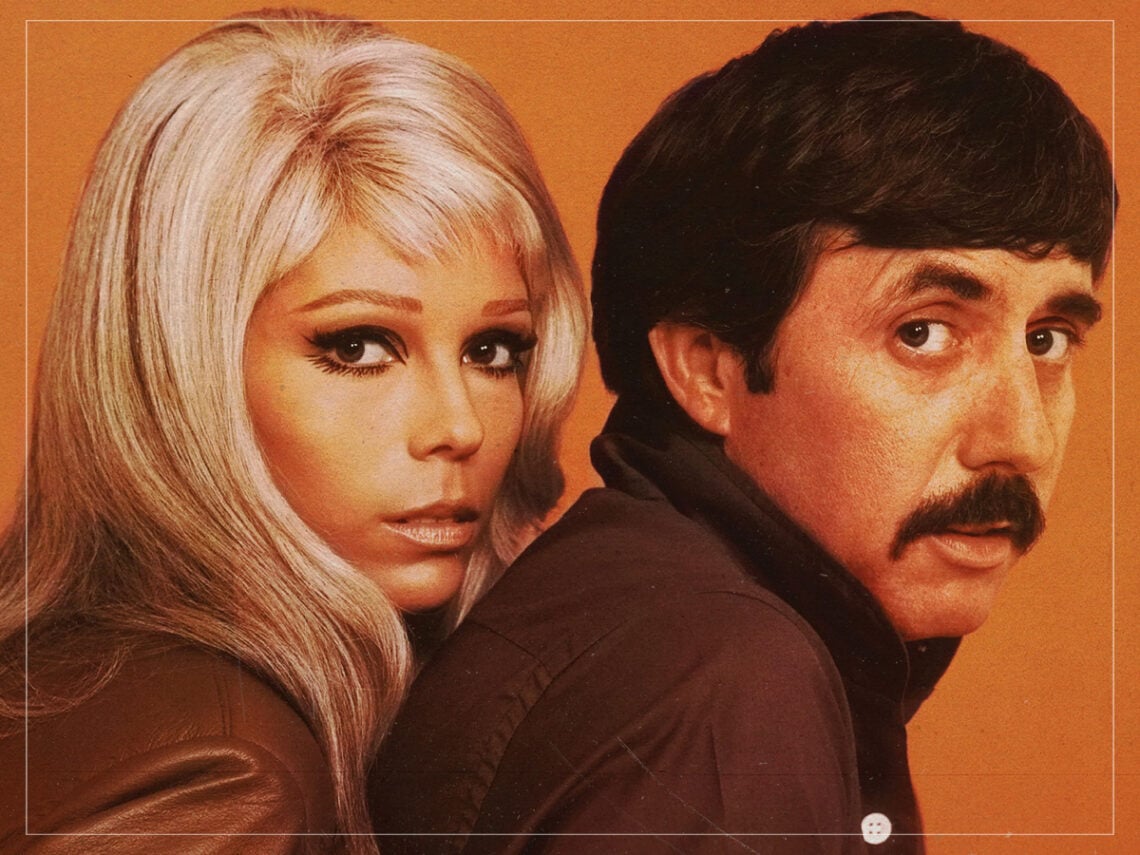
How did Nancy Sinatra and Lee Hazlewood meet?

It all began with a song called ‘So Long, Babe’, Nancy Sinatra‘s reintroduction to the world.
Of course, Sinatra was destined to be a star. The daughter of music royalty, Frank Sinatra, she was immersed in the arts from when she was a toddler: she traversed piano, dance, voice lessons and performance arts, and she began appearing on her father’s television variety series The Frank Sinatra Show in the late 1950s, with her first performance in 1957 jumpstarting her own career as a singer.
Even still, her music career was not taking off as she’d hoped. Her first few singles went unnoticed or only charted outside of the United States (namely Europe and Japan), and without a hit back home, Sinatra was in danger of being dropped by her label, Reprise Records, her father’s label. With her efforts to emerge from her father’s shadow being met with relative silence, Sinatra was left with one last hope: a rebrand.
Enter Lee Hazlewood: a country and pop singer, songwriter, producer and arranger, known for his work with guitarist Duane Eddy in the late 1950s. The Oklahoma-born multihyphenate was discharged from the military in 1953 and took up work as a disc jockey in Arizona, founding his own record label, Viv, and writing songs in the meantime. Once he discovered Eddy, their instrumental records together produced a number of hits, including ‘Rebel Rouser’, a classic rock instrumental that found fame on American Bandstand.
Hazlewood’s steady success continued for a decade before he would meet Sinatra in 1965; then, she was 25 years old, a divorcée of musician and actor Tommy Sands, and still striving to find her footing within the music world of the mid-1960s. The ‘bubblegum pop’ that Sinatra had become accustomed to singing was waning in favour of electric-meets-folk rock ‘n’ roll. Hazlewood, then, entered her life as something of a career saviour: through his vision, she could re-emerge as someone new, singing the songs that she was meant to (not just covers of well-known hits) while adopting an image to match.
How Nancy came to meet Hazlewood has been misconstrued over the years. Some miscredit Frank with introducing Hazlewood to his daughter, which she has since denied, noting that his involvement with her career once she signed with Reprise Records remained “very little”. Hazlewood himself, according to Sinatra, would often claim that he sought her out himself, which she also denies.
The truth, according to Nancy, is that their collaboration came from the mind of Jimmy Bowen, the then-head of A&R at Reprise, who had produced for the likes of her father and Dean Martin. He had worked with Hazlewood in producing the trio Dino, Desi & Billy, and the two were literal neighbours in Hollywood. From Bowen’s perspective, he could not remember which of the trio was responsible for coming up with the idea to have Sinatra and Hazlewood to work together, only that the idea eventually manifested.
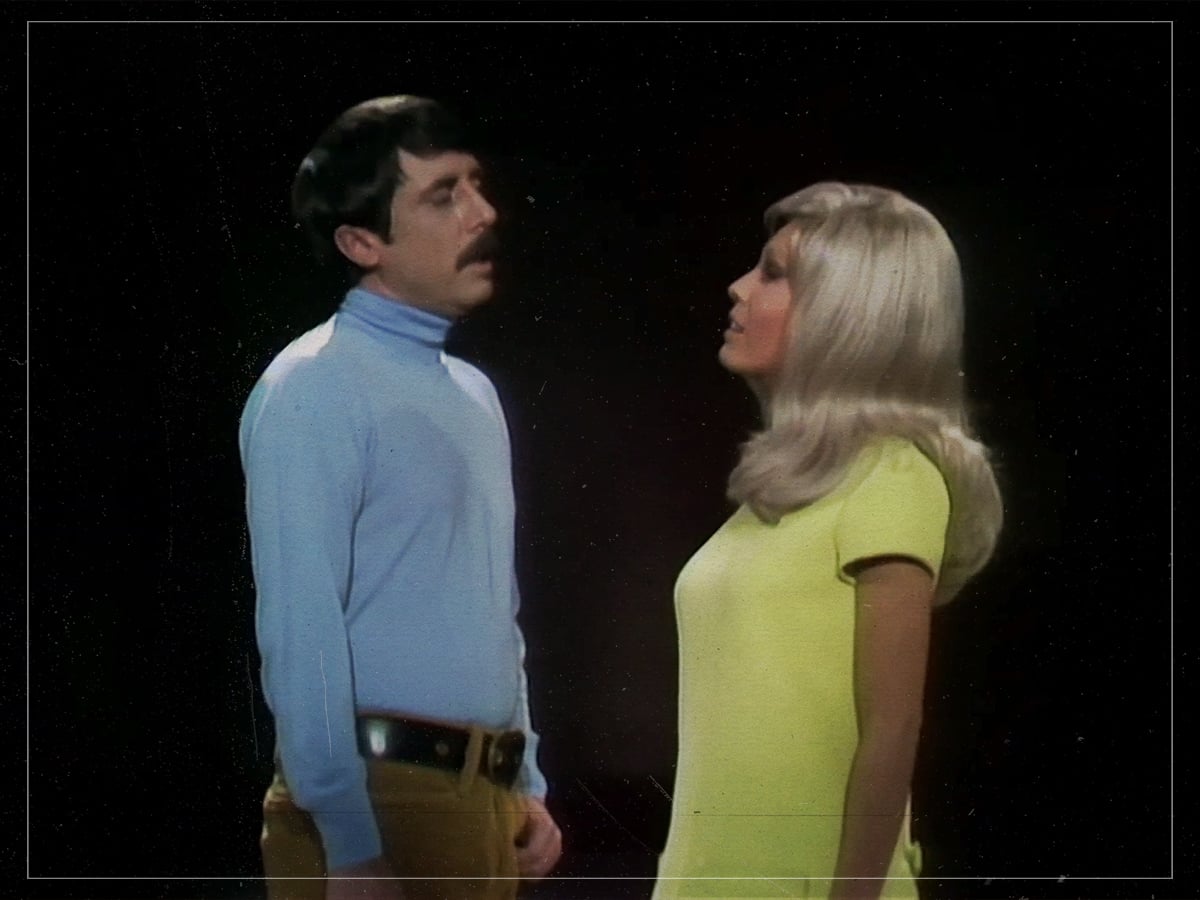
Before, she had been producing songs with an orchestra, but by Bowen’s account, Hazlewood had a different vision. “Lee said, ‘No, no, let me produce her. No big orchestras. I know how to do it for her’,” Bowen recalled in the short film Nancy Sinatra’s Most Important Single: So Long, Babe, “So I said, ‘Well, let’s find out if you do’.”
A lot was riding on Sinatra’s first single under Hazlewood’s tutelage, as he allegedly proclaimed that if their song did not make the charts, they could both be fired by Reprise. There was added pressure with the fact that the two could not possibly be more different: Sinatra had become accustomed to sugary-sweet pop songs, while Hazlewood crafted what became known as ‘cowboy psychedelia’, rock ‘n’ roll meets country that found its home in the strange trip of 1960s counterculture. But in their differences, there was opportunity for excitement.
During their first meeting, at her mother’s house, Hazlewood played Sinatra a number of songs, including her eventual hits, ‘So Long, Babe’ and ‘These Boots Are Made For Walkin’. She fell in love with the latter, but he had not intended for anyone to sing it but him. “I told him that coming from a guy, it was harsh and abusive,” Nancy later recalled to Los Angeles Magazine, “but was perfect for a little girl to sing. He agreed,” By her account, Frank Sinatra remarked, “The song about the boots is best”.
For the time being, Sinatra and Hazlewood compromised and went with ‘So Long, Babe’ as her starter single, an upbeat song that contrasts with the subject, reflecting on a love gone by. “Those bright lights never ever / Spell your name, it’s true,” Sinatra sings, in a uniquely lower key that came from Hazlewood’s encouragement. Sonically, the song fits with the folk-rock hybrid of the day, and her tone suggests not tragedy, but defiance, a precursor to the brazen attitude that she adopts on ‘These Boots Are Made For Walkin’.
In October 1965, ‘So Long, Babe’ emerged on the Billboard Hot 100 charts in America, reaching number 86, and consequently, Sinatra and Hazlewood would keep their jobs, after all. Soon, with the release of ‘Boots’ in early 1966, Sinatra would reinvent herself in Swinging Sixties glamour: big, bleach-blonde hair paired with colourful eye makeup and matching go-go outfits, complete, of course, with the signature tall go-go boots. But first, ‘So Long, Babe’ marked the beginning of her and Hazlewood’s illustrious collaborative relationship.
