


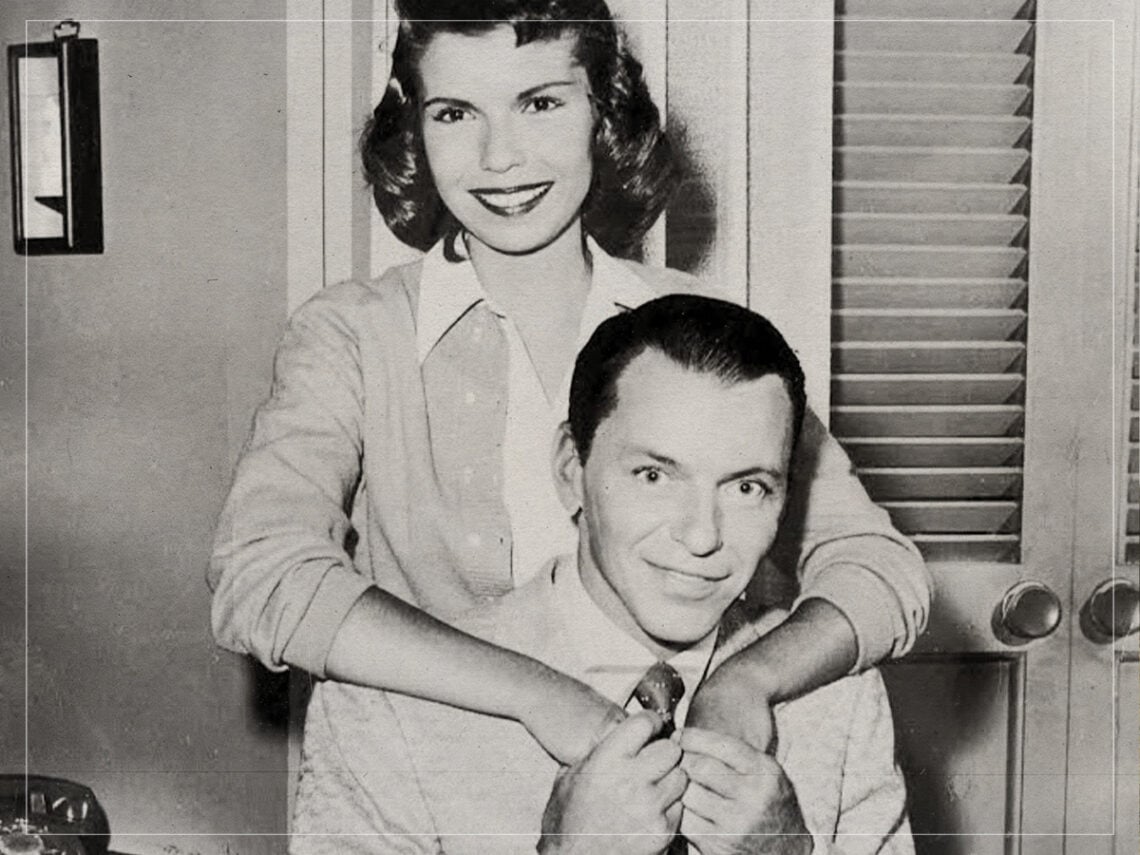
When Nancy Sinatra listed Frank’s finest work: “He was so marvellous”

Today we’d call it nepotism, back then, they’d say she was the apple of her father’s eye. But in any case, Nancy Sinatra certainly knew her own mind when she burst onto the scene.
After all, when she made the anthemic statement in 1966 that “one of these days these boots are gonna walk all over you”, it was clear in an instant that although there was no escaping the lineage she came from, she was certain to master the art of stardom, all decidedly on her own terms. You couldn’t fault her for that.
Yet by the same token, in the two years after that gun was fired in ‘66 and the fact that Sinatra achieved no less than ten top ten singles in that time, it was inevitable that her parental roots were going to come into play at some point. The most famous example was obviously the duet of ‘Something Stupid’, but naturally, the inimitable presence of her father meant Sinatra had spent a lifetime learning the ropes of fame.
Having become so inherently accustomed to that seemingly decadent view, she could also cast an eye towards her father’s illustrious body of work and sort the weak from the chaff. Let’s not forget – Frank’s career, though seismic, was not without its fair share of missteps, so she couldn’t exactly just turn round and start waxing lyrical.
Nevertheless, she evidently did have some strong frontrunners. “In The Wee Small Hours is my favourite album,” she admitted, thus making the 1955 ode to loss and heartbreak even more significant to the scores of Frank’s back catalogue than even the historians might say. But even still, don’t accuse her of nepotism.
Would her father ever advise her in terms of her own career? “No, he doesn’t,” Sinatra said at the time. “He stays out of it. My parents think it’s best.” You could say that was fair enough – the fickle business of fame is difficult enough to navigate without needy family members sticking their noses in.
However, if you were to put the shoe on the other foot, the Sinatra daughter seemed more than happy to give her thoughts on some of her father’s filmic efforts, as well as his music. She enthused, “Of his films, I like The Manchurian Candidate and Ryan’s Express, and going back to The Man With The Golden Arm – he was so marvellous in that.”

It was clear, insofar as this brief snapshot, that a strong Sinatra family trait was not just star quality but an ability to complement themselves where they saw fit. There was, of course, nothing wrong with that – but it gives the rest of the world a keen impression as to why they collectively climbed to the heights that they did. It was all through command.
And yet, in the legacy that lives on for the Chairman of the Board, above everything he achieved and every plaudit you could throw at him, his family were always the number one priority. That’s probably why, in all honestly, Sinatra felt she could voice her opinions on his career so freely. To her, he was not a global superstar, but just her dad.
