


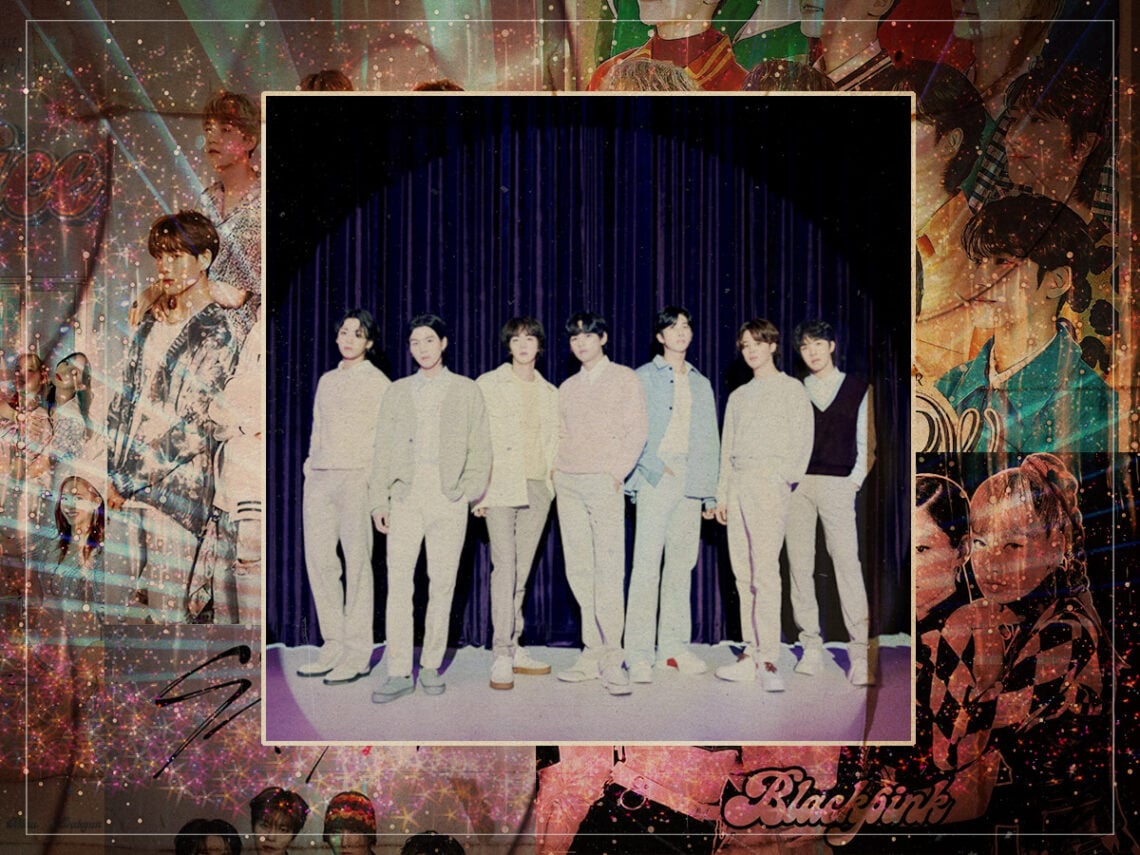
K-pop: how big is the genre and does it really have a future?

Typically, the heights of the Western entertainment industry are a bit of a microcosm. We gorge on our own insular products—and even at that, mostly just British or American—without often branching out to discover the artistic tastes of other corners of the world. That was the case until a few years ago, when K-pop crash-landed on the scene like a crater, shaking up the transatlantic alliance of music forever.
As the name suggests, the South Korean pop genre has taken on a certain huge global notoriety in recent years but has, in fact, existed within its country’s own walls for a much longer period. Emerging in the 1990s as a means of creating a South Korean youth subculture, the genre’s roots were heavily influenced by Western music, including pop, rock, rap, and funk.
In a contemporary context, artists like BTS and Blackpink were already gaining rapturous fame in their home nation, but with the advent of the pandemic years ago and the subsequent rise of social media as a global conveyor of new music, K-pop exploded into an unfathomable phenomenon that took the world by storm, quickly attracting similar scales of young fanbases to typical Western pop acts.
Unless you’ve been living under a rock ever since the Covid-19 pandemic hit, none of this should come as new information. K-pop is considered the new global music brand that is putting every effort on this side of the world to shame with its gargantuan selling feats and insurmountable popularity that can ever be paralleled – or is it? Recent whisperings of stagnation in the K-pop market have left fears of an industry in decline, and the once world-beating popularity of its artists is now just a treasured memory.

Who is the best-selling K-pop artist?
Of course, putting this in context, it’s hardly as if you can say K-pop is in its dying breaths. However, according to the Korea Music Content Association’s Circle Chart, physical album sales within the genre slumped from 120.2 million in 2023 to 98.9m in 2024, causing the panic-stricken powers that are in the industry to claim that K-pop could be in crisis.
When you compare this to how things used to be, even just from the perspective of individual artists, that image becomes much more starkly clear. BTS, the best-selling K-pop act of all time, have sold 55m records globally, followed by the band Seventeen with 41m sales, so if two acts are essentially keeping the entire genre afloat, it doesn’t leave the industry with any great stakes.
Perhaps part of the reason for K-pop’s declining state is the political and societal makeup of South Korea itself, in which all able-bodied men are required by law to complete between 18 and 21 months of military service before the age of 28. BTS had managed to delay this at the height of their global rapture but eventually had to give in to enlistment. Now, only two of its seven members have completed their duties, so a comeback could still be a long way off, not to mention hard-fought if the industry is in disarray.
It’s also worth saying that the once bubblegum-sweet image of the K-pop industry has now been well and truly burst, revealing a much more dark and ugly reality underneath. Stars are worked to the bone and then frequently rinsed of many of their assets by domineering record labels, and often, as evidenced in the recent case of girl band NewJeans, who wanted to rebrand to NJZ, the legal battles this embroils them in can then make their careers untenable.
Ultimately, whether K-pop manages to worm out of its current sticky situation remains to be seen, but it certainly could become a damning case study for music of the future. Now, five years on from the pandemic, are we finally catching up to the real aftermath of the industry and the new lifeblood that transpired, in the end, just to be fads? That will eventually be decided if the post-mortem of K-pop ever takes place – but by its direction of travel, it could unfortunately be sooner than we think.
