


How Barry Jenkins found his style in his first feature, ‘Medicine for Melancholy’

Moonlight was perhaps one of the most influential films of the 21st century. It merged the mainstream and independent cinema landscapes and proved that stories seen as ‘niche’ could also be universal. It woke Hollywood up to the idea that underrepresented stories could be as profitable as they were impactful.
The director of the film, Barry Jenkins, was praised for his sensitive and nuanced approach to adapting the semi-autobiographical play In Moonlight Black Boys Look Blue, creating a beautifully tender and rich exploration of Black identity and queerness in the suburbs of Miami, masterfully blending each element on screen to create a moving and timeless portrait of self-discovery and authenticity. When Jenkins exploded onto the scene in 2016, many people quickly began delving into his earlier work to look for the genius flare shown in Moonlight, which can all be traced back to his 2008 feature, Medicine for Melancholy.
Medicine for Melancholy follows a mismatched couple in the aftermath of a one-night stand that neither of them remembers, deciding to wander the streets of San Francisco and see if their connection could be anything more than a fleeting encounter. The interaction between Micah and Joanne starts as painfully awkward, and we desperately want it to end – it seems as if they have nothing in common, and it’s hard to imagine that they were ever intimate together. However, after a very rocky start, Joanna reluctantly agrees to spend the day with him, and they realise that there is more to their connection than meets the eye.
More than anything, the film is about loneliness and how easy it is to become disconnected from the people around us. When we make an effort to find community, we can find it in unexpected ways.
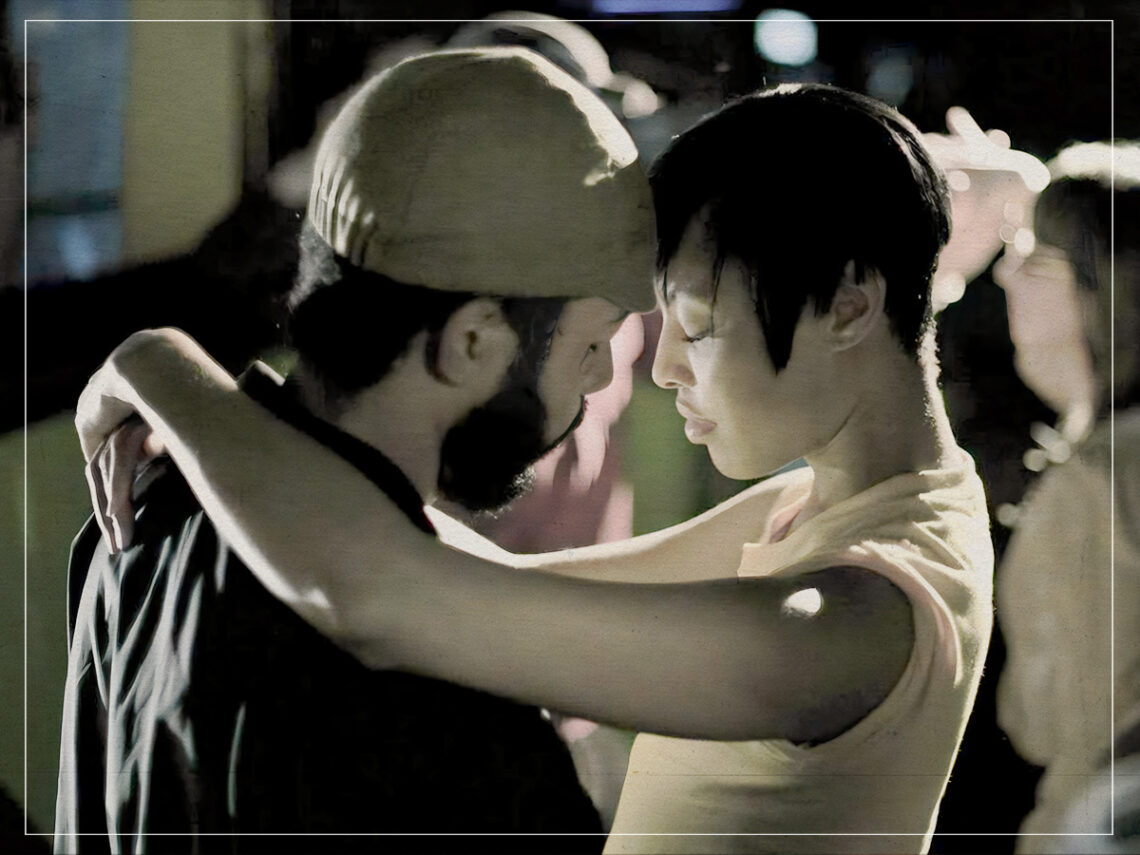
While it is clear in the film that it is Jenkins’ directorial debut and there are a few pacing issues, it is interesting to see an early interest from the director in colour and the way he uses that to immerse us in a unique story world, connecting us more intimately with the characters. In Moonlight, the colour palette adds to the visceral quality of the film that connects us with the isolation of the lead character, highlighting Chiron’s feeling of being ‘other’ through the distinctive look of his world and the way it separates him from the people around him. Jenkins particularly hones in on the colour blue, adding a melancholic and reflective tone to the film.
In Medicine for Melancholy, Jenkins uses colour in a similar way to add to the other-worldly feeling of San Francisco as the characters walk through it, exaggerating the idea that they are the only people in this world and detached from everyone else. It has a distinct and striking look, with a washed-out sepia tone, and Jenkins also chooses to exaggerate all the reds and yellows. It distorts the realism of the world and expands on the idea that loneliness changes the way we interact with the space around us, becoming closed off or blind to certain experiences that block our ability to interact fully with the world.
But perhaps Jenkins was also highlighting that we can make ourselves awake to new colours if we simply open ourselves up to the world around us, that most of us are closed off to new experiences that limit our ability to be truly touched by the possibilities around us. Jenkins teaches us that to be vulnerable and authentic is to unlock a new spectrum of colour, and it is only by remaining open to connection that we can experience the entirety of this palette.
