


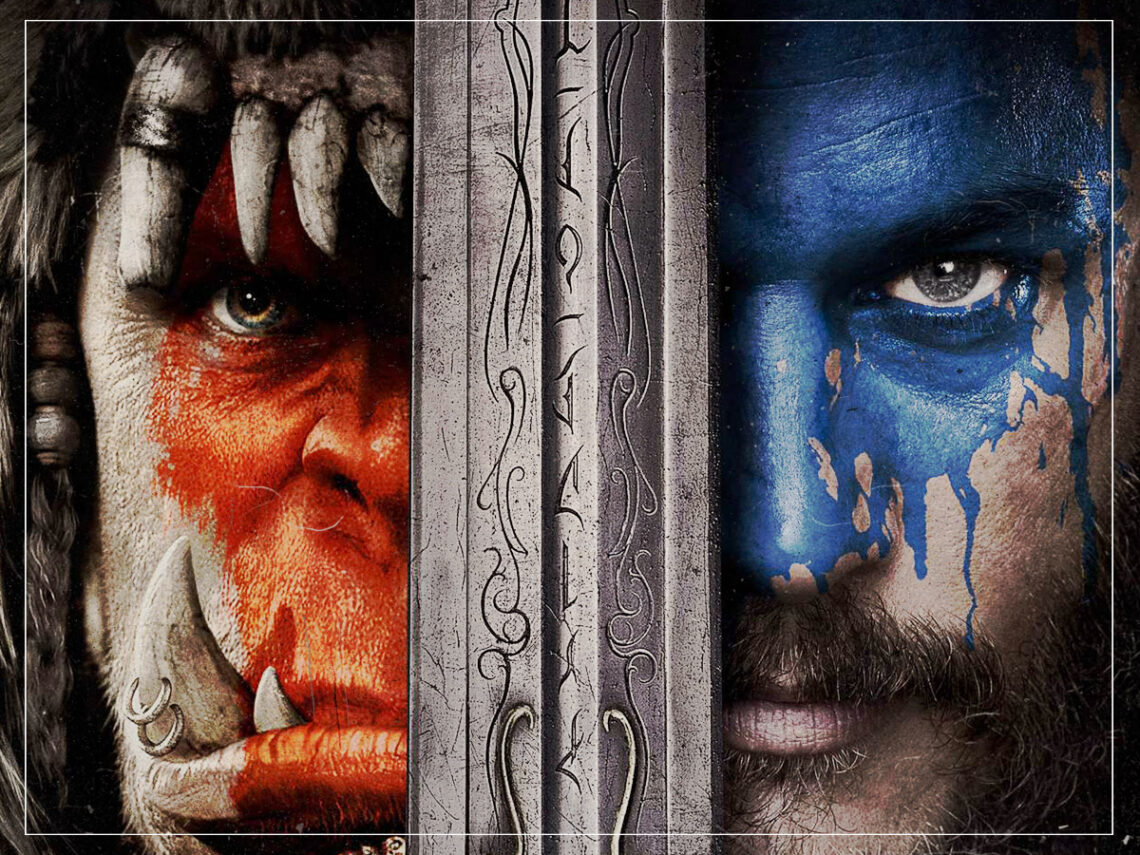
‘Warcraft: How the highest-grossing movie in the history of a genre still lost money

The entire point of a blockbuster movie is to earn the most amount of money, but there are a lot of external factors to consider before any production can be deemed as genuinely profitable.
If it was simply a case of subtracting the budget from the ticket sales, then history would be littered with a lot less notable flops. There are marketing budgets to consider, distribution costs, the split between studios, production companies, and other financial backers to be worked into the equation, which in one case created the unique scenario of the highest-grossing film in the history of an entire genre losing money.
It sounds ridiculous, especially when compared to other forms of cinema. The top-earning sci-fi flick ever made? James Cameron’s Avatar. The most lucrative superhero spectacular of all time? Avengers: Endgame. The biggest animated hit to grace the big screen? Frozen II. Biopics? Oppenheimer. Gangsters? The Departed. Comedy? Barbie, or for anyone that wants to split hairs, Chinese juggernaut Hi, Mom.
The recurring theme is that every single one of those aforementioned titles turned an immense amount of profit, but befitting its reputation as an art form that’s thrown up plenty more misses than hits over the course of its troubled existence, the expensive undertaking that set a record for being the highest-grossing video game adaptation the industry had ever witnessed ended up in the red.
Having heralded his arrival on the scene as a force to be reckoned with through Moon and then followed it up with the mind-bending Source Code, there was plenty of excitement to be found when Duncan Jones was named as the director of Warcraft. The PC franchise had shifted upwards of 70 million copies worldwide to guarantee a huge fanbase would be following the project with great interest, while a talented filmmaker steering the ship piqued the curiosity of those who had no idea what it was.
At a cost of $160million, the lavish and opulent fantasy epic did boast plenty of impressive visual effects, stellar motion capture work, eye-popping production design, and ornate costuming, but like many console-to-screen titles before it, Warcraft failed to strike the sweet spot between winning over existing fans and creating new converts. Still, it took home $439m from cinemas, which saw it dislodge Jake Gyllenhaal’s Prince of Persia: The Sands of Time to become the biggest video game movie yet.
However, when the numbers were crunched, the exorbitant marketing and production spending, coupled with a disastrous showing in the United States that failed to crack $50m in total, yielded a loss. When the dust settled, Warcraft is estimated to have lost anywhere between $15m and $40m for Universal, with the inarguable fact being that it was a flop. Making that kind of moolah and still going down in history as a dud is remarkable stuff and indicative of just how badly Hollywood continues to splurge its finances on ridiculously costly endeavours that are by no means guaranteed to succeed.
Warcraft would manage to hold onto its title as the video game genre’s top dog for seven whole years until The Super Mario Bros Movie came along, where its $1.36 billion tally shattered any and all existing benchmarks. Now, that’s how you break a record and turn a profit along the way.
