


The reasons why the best video game movies are never based on video games

Ironically, the first major movie adaptation of a video game turned out to be legendarily terrible, setting a precedent that the genre has struggled to escape from for 30 years and counting.
1993’s remarkably bad Super Mario Bros did at least lay out an early marker to suggest that bringing popular console titles to the big screen was going to be a tougher nut to crack than anyone expected. Following that, the examples have only continued piling up over the years.
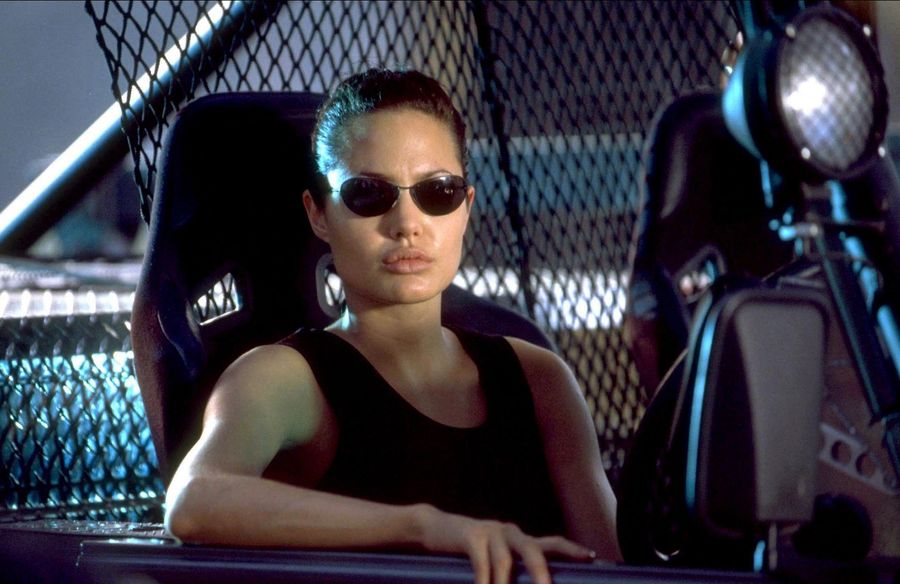
That’s not to say they haven’t been able to find success, but for the most part, they simply haven’t been entertaining, enjoyable, or even particularly good films. Think of the various Mortal Kombat flicks, the Resident Evil saga, Michael Fassbender’s dismal Assassin’s Creed, the turgid Tomb Raider trio, both iterations of Hitman, Street Fighter, Max Payne, Warcraft, Monster Hunter, The Super Mario Bros Movie, and Five Nights at Freddy’s to name just a selection.
The common theme is that while they’ve combined to earn billions upon billions of dollars at the box office, nobody is going to be singing their praises as top-tier adventures that stand up under scrutiny. Some of them have been good, sure, but it’s absolutely not a coincidence that many of the greatest video game movies ever made haven’t been based on video games at all.
It seems a bizarre evolution, but it makes a huge amount of sense. The games are so popular because players have an active role in the experience, steering the direction and actions of the characters to increase investment in the narrative. Remove that element to make it entirely passive. Then, it becomes difficult to create something that hits that sweet spot between appealing to fans of the source material and drawing in new viewers, all while trying not to irritate either.
For that reason, movies that take their inspiration from video games but aren’t beholden to any pre-existing source material almost always tend to fare better. This is applicable as far back as 1983’s three-time Academy Award nominee WarGames.
Looking at more recent examples, Jason Statham’s demented Crank and its sequel High Voltage were essentially side-scrolling beat ’em ups made flesh. Not just that, Edgar Wright’s underrated gem Scott Pilgrim vs. the World blended comic books and consoles to create its own unmistakable visual language.
Wreck-it Ralph nodded towards its forebears but was unburdened from having to appease anybody. Another notable entry to the list, Jumanji: Welcome to the Jungle and its follow-up, The Next Level, used video games as a plot device to power a pair of rollicking adventures that netted close to $2billion in ticket sales in the space of two films.
Tom Cruise’s stunning Edge of Tomorrow was adapted from All You Need is Kill, which was itself inspired by video games but not derived from any title in particular. The John Wick saga has lifted many of its signature action beats from the games played by director Chad Stahelski, and David Cronenberg’s Existenz took virtual reality gaming down the path towards body horror.
That’s not to say every single video game adaptation ever made has been terrible. Still, when the right filmmaker lifts liberally from the medium and finds themselves free from the shackles of IP and a potentially angry fandom to focus on creativity above all else, then its tropes and trappings have more than proven that the broad strokes of the genre can create wonderful cinema.
