


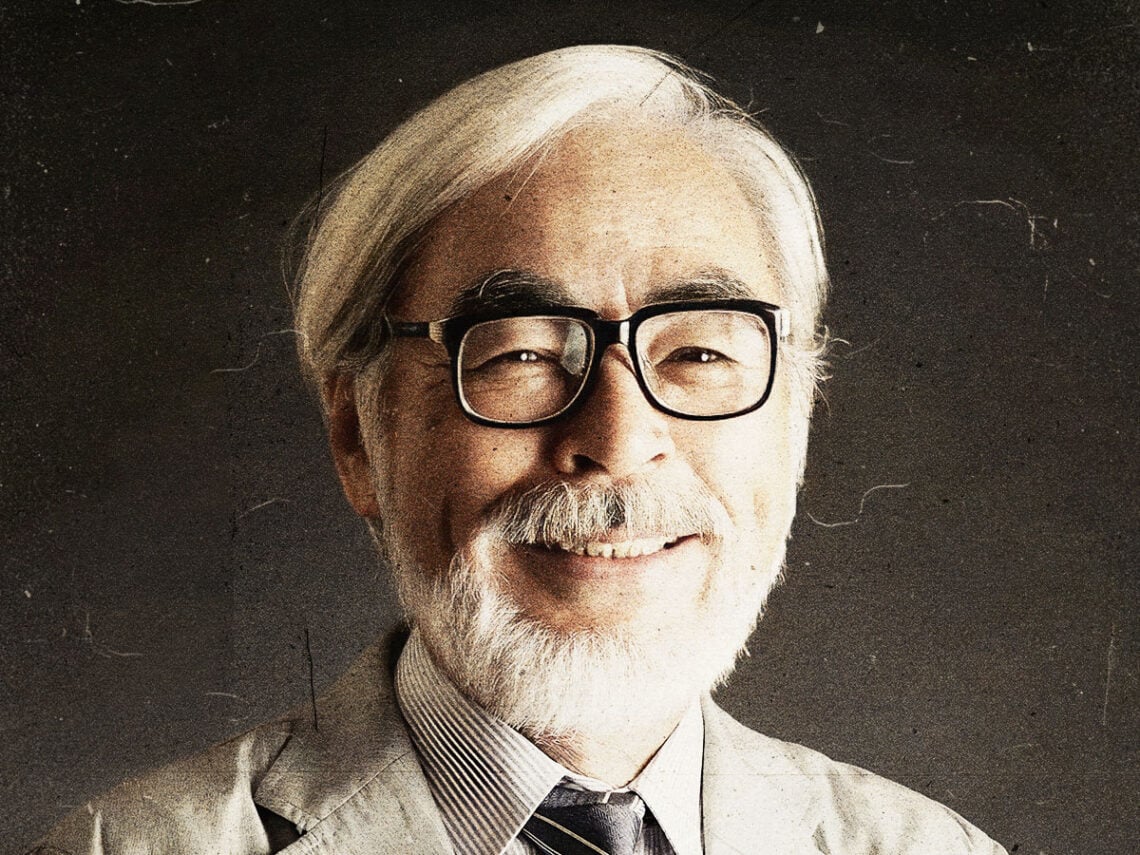
“The greatest of all”: Hayao Miyazaki’s favourite movie ever made

Responsible for crafting some of the most vivid and dreamy fantastical worlds in the history of cinema, Hayao Miyazaki, the co-founder of the widely influential and beloved anima production company Studio Ghibli, has eternally written himself in the annals of Japanese film.
Over five decades, Miyazaki gave his films, including Spirited Away, Howl’s Moving Castle and My Neighbour Totoro, a rare quality of wonder, matched by his commitment to the animated medium. In a world dominated by CGI, Miyazaki’s dedication to hand-drawn animation has afforded him a reputation as a master artist.
While so many of Miyazaki’s best moments as a writer and director at the head of Studio Ghibli over the years have provided countless cinephiles with their favourite pieces of anime, the man himself is no stranger to having a deep respect for his fellow filmmakers, none more so than in the legendary Japanese director Akira Kurosawa.
Miyazaki once spoke of two Kurosawa films that he deeply admires but pointed out one in particular that occupies the spot at the top of his favourite movies of all-time list. “I think Ikiru is a very good film,” Miyazaki noted, “but if you ask me, my favourite film in the world – Seven Samurai is the greatest of all.”
Now, many believe Kurosawa’s 1952 drama Ikiru to be amongst his best-ever works, and they would be right in thinking so. Takashi Shimura plays a terminally ill Tokyo bureaucrat who makes a final search for meaning. Kurosawa examines themes of how one ought to live, the failure of bureaucracy, and the end of the imperative of family life in Japan.
However, Miyazaki’s favourite movie of all time is Kurosawa’s widely accepted masterpiece, the 1954 epic samurai action film Seven Samurai. Taking place in the Sengoku period of Japan, the film focuses on a group of farmers who hire a team of masterless samurai to protect their village from bandits who come to steal their crops.
Seven Samurai ended up being the most expensive film made in Japan at the time, and today, it is considered one of the most influential pieces of cinema of all time. The action scenes in Kurosawa’s film are nothing short of mesmerising and capture all the brutality of 16th-century Japan in its bloody and realistic glory.
Miyazaki once sat down with his hero Kurosawa for a conversation beside the fire, and Kurosawa took on the role of mentor to Miyazaki’s student. After all, Kurosawa’s experience in filmmaking goes back to the 1930s, and Miyazaki had deep respect for his predecessor, who was some thirty years his senior.
The pair discussed what it’s like to receive questions about their own films, with Kurosawa admitting that he never knew how to respond to those wondering about the “theme of the movie”. Miyazaki responded, “That’s when you’re supposed to take on an air of confidence: ‘This is my work; how about it!’ That is what you’re supposed to say. But me, I’m more like, ‘Uh oh, I am in deep trouble!’ And I start to feel the pressure pile on top of me like a mountain.”
The two icons of Japanese cinema went on to talk about Kurosawa’s final completed film, Madadayo, plus a selection of other Kurosawa movies, including Miyazaki’s favourite, Seven Samurai, and Ran. Check out the pair’s fireside chat below.
