


‘Hausu’: How ‘Jaws’ and a 12-year-old inspired a wacky horror movie

Japan has always produced fantastic works of horror, often rooted in folklore. Ghosts, monsters and other mysterious beings from traditional tales typically become the villains in Japanese horror movies, as demonstrated by titles such as Kwaidan and Onibaba, both acting as pioneering and seminal entries in the genre. Yet, as horror developed during the ‘60s and ‘70s, with American cinema championing the slasher subgenre in the late ’70s, Japanese horror filmmakers also began drawing from a wider pool of influences.
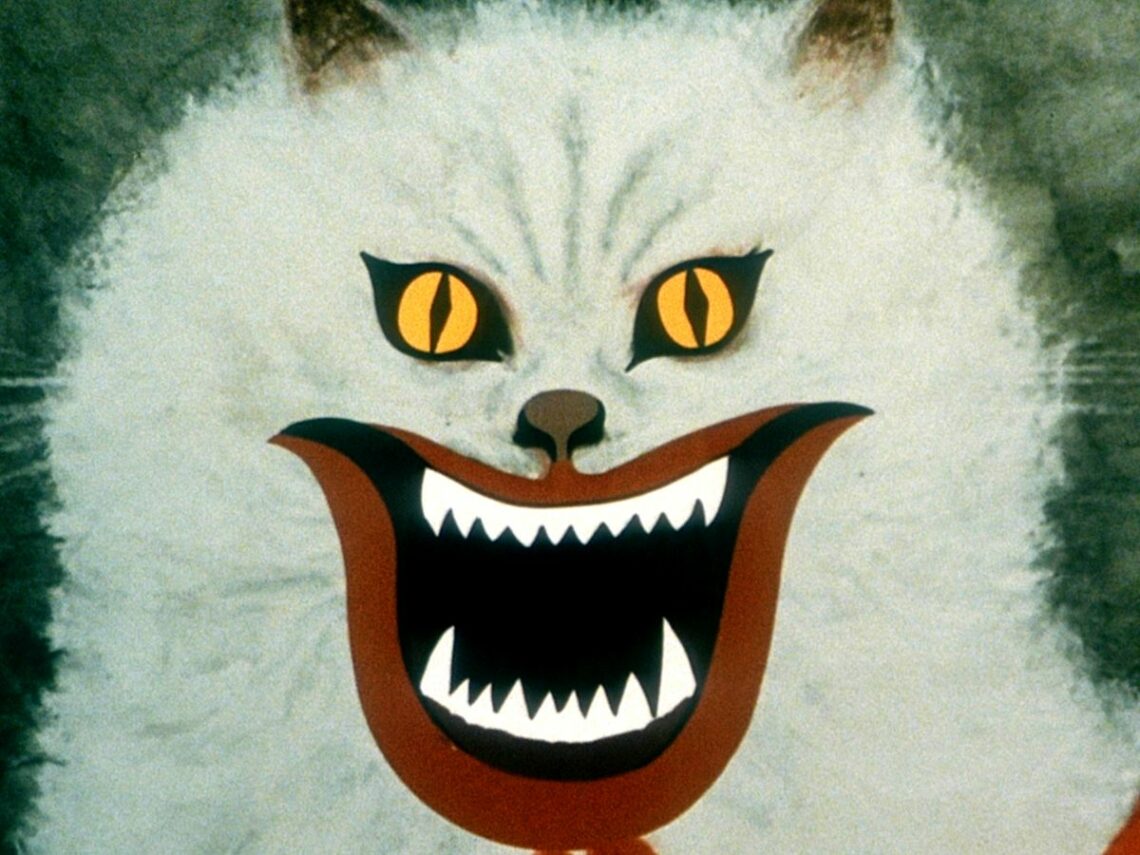
In 1977, just a few months after Dario Argento’s neon-soaked Suspiria and David Lynch’s body horror Eraserhead emerged, Nobuhiko Obayashi released House or Hausu. With a similar eye for aesthetics and colour as Suspiria and a hearty dose of Eraserhead-esque surrealism, Hausu quickly joined the ranks as one of horror’s most compelling features, admired for its unconventional narrative, visual beauty, and effortless blend of comedy and scariness.
The film follows a girl named Gorgeous, who invites her school friends to her aunt’s house, but it doesn’t take long for the girls to become victims of the house’s strange powers. One of the first bizarre instances occurs when Mac’s head is discovered instead of a watermelon, flying through the air and biting another girl, Fantasy, on her backside. The movie is comical in its shamelessly ridiculous approach to horror. This scene is both unnerving and hilarious – the last thing you expect is for a character’s floating head to leap out and start attacking her friend.
From there, you never know what’s going to happen next, with pieces of furniture turning sentient, such as a piano, which eats Melody’s hands before sucking her inside, just like a monster would. Brightly coloured special effects make the scene disorientating to watch, aided by the chaotic smashing of keys as Melody screams for help. But it’s no good, she is swallowed with one big bite, mirroring the killer shark in Jaws.
Released just two years before, Jaws was a massive hit, helping to pioneer the concept of the blockbuster. Steven Spielberg’s film doesn’t have the same campy outrageousness as Hausu, but it actually provided a large source of inspiration. Toho, a Japanese film production company, wanted to capitalise on the success of Jaws with their own horror movie that explored similar themes.
Like Jaws, Hausu features a force that threatens to overpower humans, although in the latter, this force is supernatural. Similarly, both films contain underlying thematic allusions to war, with Jaws drawing on fears such as the Vietnam War and nuclear weapons, while Hausu incorporates references to the atomic bombings that destroyed Hiroshima and Nagasaki.
To write the script, Obayashi asked his young daughter, Chigumi, to help him come up with some ideas. As someone around a similar age to the girls in the film, Chigumi was the perfect person for the role. She shared some of her deepest fears, which were weaved into the script by the screenwriter, Chiho Katsura. Thus, the scary moments that allow the movie to descend into chaos feel even more terrifying since they’re based on the kind of odd and irrational fears we have as children. We know that a piano couldn’t eat our fingers, but in Hausu, anything is possible.
