


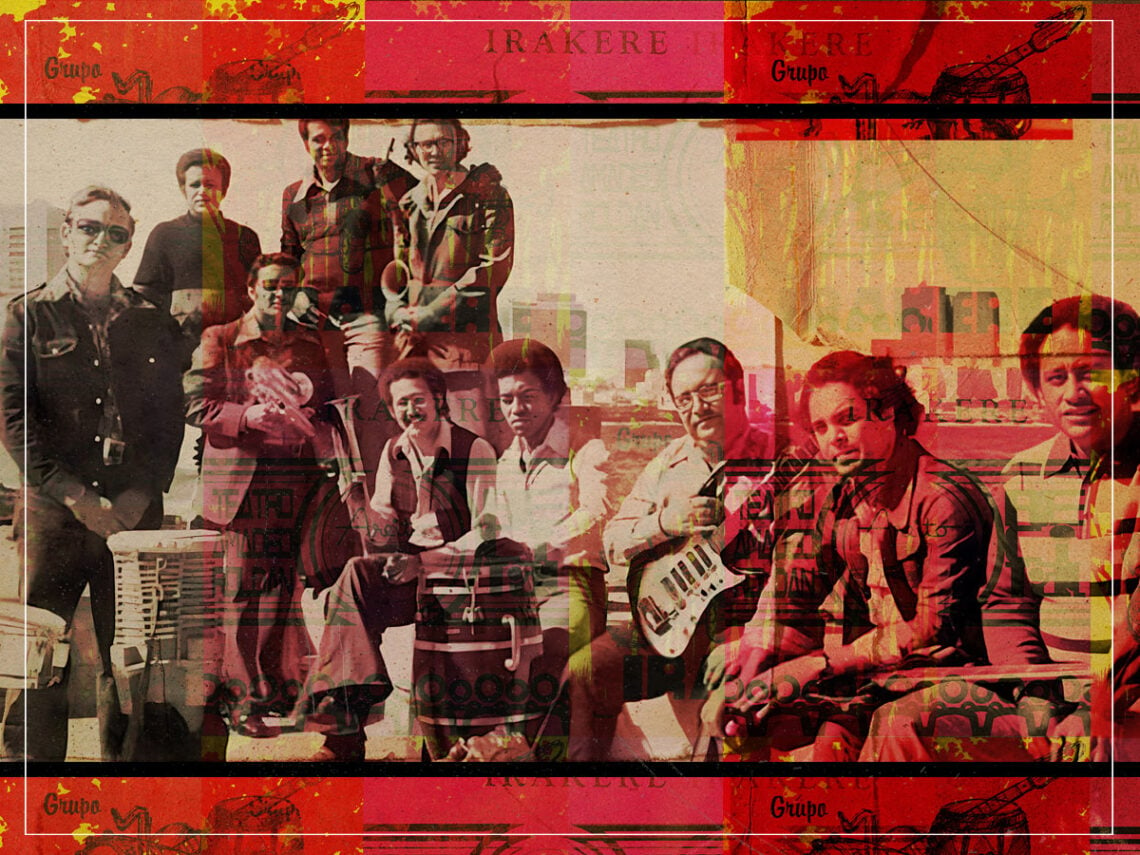
Grupo Irakere: the ultimate masters of Afro-Cuban funk

For a relatively small island nation, Cuba has consistently punched above its weight when it comes to cultural output. Over the years, the Caribbean island has produced a wealth of prolific writers, thinkers and, of course, musicians. The music heritage of the island is incredibly rich, stretching back hundreds of years, but the 20th century was a particularly exciting period for the music of Cuba, thanks largely to the impact of groundbreaking bands like Grupo Irakere.
Cuban music is characterised by a unique blending of Spanish and African rhythms, resulting from the influence of enslaved Africans being brought to the island during the 16th century to be sold to Spanish plantation owners. Hence, the distinctive sounds of Afro-Cuban music have been utilised by inhabitants of the island for centuries as a means of cultural rebellion and euphoria in the face of oppression. It makes sense, therefore, that Afro-Cuban funk music reached new heights during the 20th century, at a particularly tumultuous time in Cuban political history.
Following the Cuban Revolution, which ended in 1959, musical artists on the island found themselves in a difficult position. While the revolutionary government was pretty totalitarian, meaning that artists and their work were under stern scrutiny from the state, Fidel Castro’s government also subsidised the work of many Cuban artists, leading to an increase in the country’s cultural output. During this intense period for the music of Cuba, a few notable artists rose to prominence, few more so than Grupo Irakere.
Irakere was first formed in 1973 by Chucho Valdés, the son of celebrated Cuban pianist Bebo Valdés. Over the next few decades, the band would provide a home for a variety of the nation’s most skilled and inventive musicians – including the likes of Paquito D’Rivera, Carlos Averhoff, Jorge Varona, and Jorge Alfonso. Their sound saw the traditional sounds of Afro-Cuban funk music blended together with seemingly disparate styles of rock, jazz and Latin funk, dragging Cuba’s musical output firmly into the 20th century.
Prior to the band’s eponymous debut album, first released in 1974 by the state-owned record label Areito Records, Cuba had never heard anything that sounded remotely close to Grupo Irakere before. Relentlessly funky, the record became a mainstay of Cuban dance floors, but there is something incredibly profound about the music; it was not just inconsequential music to dance to. It was a rallying cry for the cultural landscape of Cuba, a sign to the wider world that the nation was harbouring perhaps the most exciting music scene in the world at that time.
Throughout their flawless discography, Grupo Irakere inspired a plethora of young artists in Cuba to follow their lead, culminating in an entirely new wave of inventive Afro-Cuban funk music rising to prominence during the 1980s and 1990s. However, as is so often the case, the original always remained the best; the many records produced by Grupo Irakere still sound as fresh, euphoric and exciting today as they were back in the 1970s.
Grupo Irakere have not produced any new music for some years now, with Chucho Valdés devoting himself to teaching the next generation of Cuba, in addition to playing with his new outfit, The Afro-Cuban Messengers. Despite their understandable inactivity, Irakere never really lost their prominence or legendary status, with their early material still being reissued and rediscovered to this day.
