


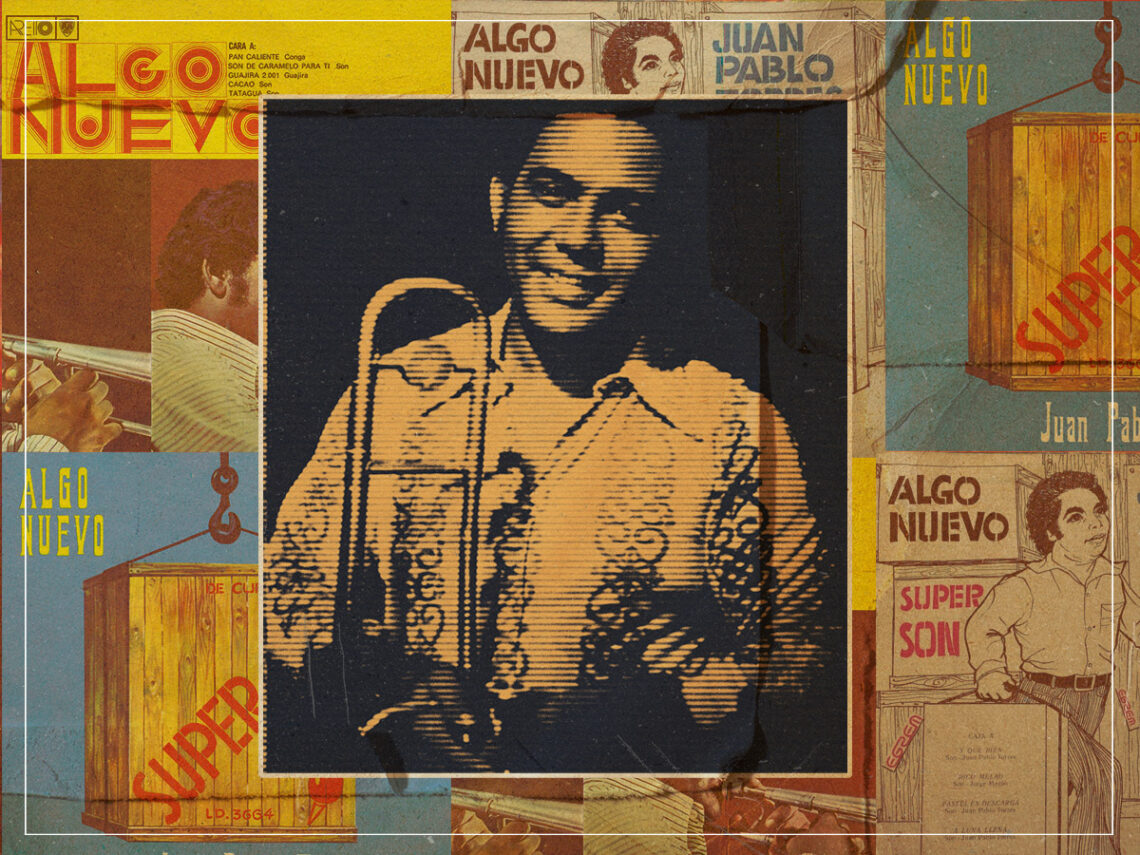
Juan Pablo Torres and post-revolution music in Cuba

Cuba’s political and cultural history is among the most contentious in the world. Depending on one’s perspective, it can be viewed as a hub of creativity, artistry, and vibrant cultural exchange, or as a repressive, totalitarian regime imposing strict controls on its creatives. Both interpretations hold elements of truth and are open to individual interpretation. However, Cuba’s cultural and musical output often speaks volumes for itself, with artists like Juan Pablo Torres solidifying the nation’s place on the global musical stage.
Entering the world in 1946, in Puerto Padre, Torres was the son of a trumpeter and trombonist, so it was something of an inevitability that he would follow in those musical footsteps. Typically, though, colossal and historically important events got in the way. Throughout his childhood, during the 1950s, Torres’ home nation was awash with conflict. After a 1952 coup d’état gave way to a full-blown revolution, the future of the nation – and its music – remained unclear.
Cuba has always had a prolific artistic output, but the revolution might have put an end to that long and celebrated history. Once the dust had settled and the revolution was over, in 1959, it was down to a new generation to build up the cultural landscape of the island. Among them was Juan Pablo Torres, whose work defined post-revolution music within Cuba. Following the rise of Fidel Castro’s government, music in Cuba was in a fairly strange place; on the one hand, artists were under the watchful eye of the state, but on the other, art was also subsidised by the government.
Torres took full advantage of being on the government’s payroll, beginning to learn his craft and releasing music with the full support of the revolutionary government. His music was both a celebration of traditionalist Cuban music and an indicator of the nation becoming more up-to-date and modern. Throughout the 1960s, Torres rose to prominence as a gifted bandleader and trombonist prior to releasing his own revolutionary material during the 1970s.
By the time the 1970s rolled around, the post-revolution government was well-established, and many artists had figured out what they could and could not get away with by that time. As a result, the nation’s musical output was stoked by a lot of experimentation and psychedelic jazz. Torres was at the forefront of this movement, releasing groundbreaking works throughout the 1970s and 1980s. Perhaps his greatest work is 1977’s Súper-son, his third solo studio album.
Released on the state-owned Areito imprint, Súper-son is rightly hailed among Cuba’s most important cultural exports. Blending traditional Afro-Cuban funk and rumbas with psychedelic experimentation and Latin-inspired jazz, the album is the greatest encapsulation of Torres’ eclectic and diverse musical range. At the risk of overestimating the importance of Torres’ work, the album also laid the foundations for Cuba’s increasingly experimental body of post-revolution music.
Although Torres relocated to the United States during the early 1990s, where he would remain until his death in 2005, he continued to espouse the vibrancy and delight of his home nation through his unique blend of Afro-Cuban funk and Westernised psychedelia.
