


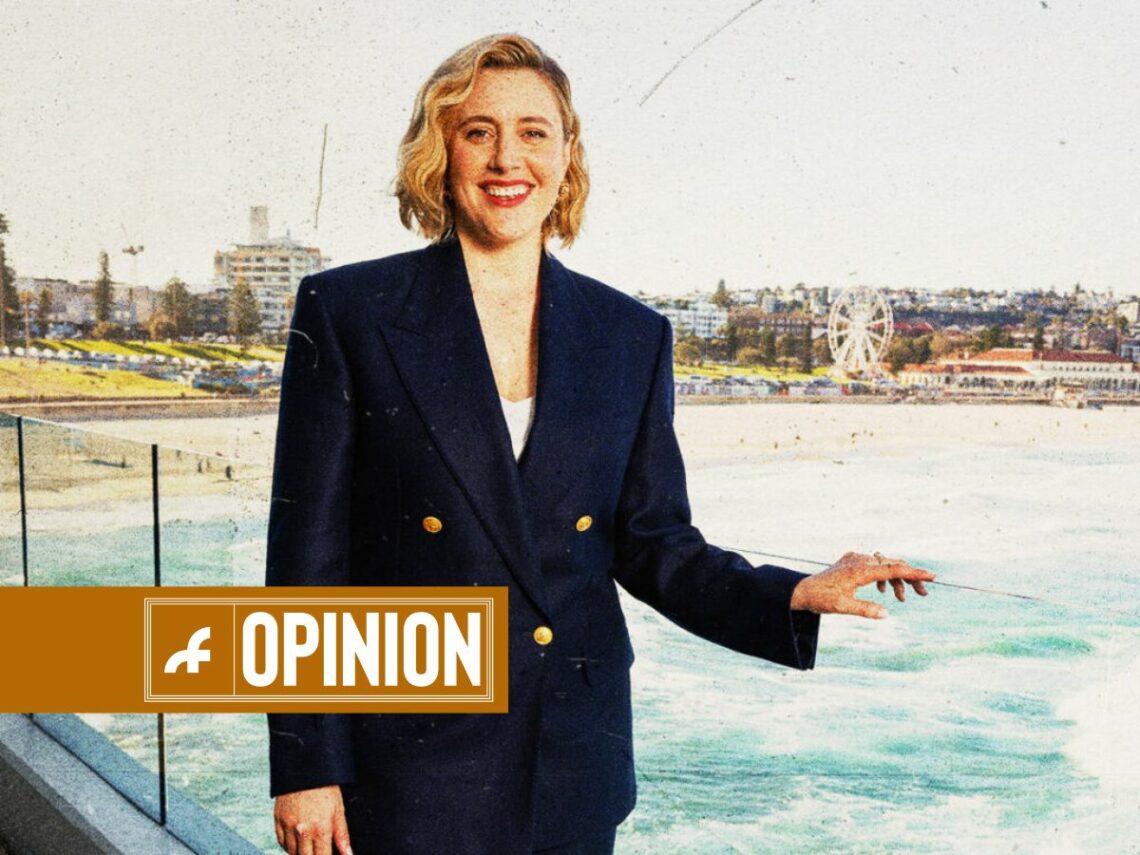
Greta Gerwig: visionary or corporate sell out?

Greta Gerwig began her career during the mumblecore movement, a period when independent filmmaking flourished thanks to the rise of digital technology and affordable cameras. Directors like Jay Duplass and Andrew Bujalski pioneered the genre with low-budget films such as Puffy Chair and Funny Ha Ha, which often explored the lives of aimless 20-somethings grappling with the trials of adulthood—complete with messy decisions and chaotic interpersonal relationships.
The Barbie director was a key figure in the mumblecore movement, starring in films such as Hannah Takes the Stairs, Frances Ha, and Baghead. She became synonymous with endearing yet awkward characters who stumble through life’s challenges. However, before transitioning to her role as a studio director, Gerwig was a passionate advocate for independent filmmaking, often expressing her love for the medium and the handcrafted quality of these projects.
Independent filmmaking is in many ways, an act of rebellion against the studio system that has famously never been in favour of creative control for directors and allowing them to fully express themselves. As a result of this, some directors have found ways to cheat the system and create on their own terms, with directors like Sean Baker and Kelly Reichardt finding ways to finance their films without the help of creative conglomerates, leading to deeply personal and individualistic films that allow them to maintain their creative integrity and voice.
After her 2017 film Lady Bird, Gerwig was labelled as one of the most exciting up-and-coming directors in the business. She shortly scored a deal to create an adaptation of the beloved Louise M Alcott novel Little Women. The film was met with glittering praise, and there was increased speculation about Gerwig’s next projects and how she would leverage her power in Hollywood.
However, these speculations were abruptly cut short after the release of Barbie, a collaboration with Mattel that signalled a clear commercialistic direction for the filmmaker. While some film lovers may have harboured some secret hope that this was just a fork in the road, Gerwig then announced that she was collaborating with Netflix for a Narnia adaptation, explaining how she planned to focus on studio-led films and expand her voice through blockbuster films.
To me, this is the ultimate downfall of any modern director, with bold voices being watered-down through working with large studios and believing that higher budgets offer them more creative freedom. This has famously never been the case, and we are losing visionary filmmakers to the world of corporate filmmaking, with indie darlings like Barry Jenkins moving over to the dark side by somewhat sacrificing their creative integrity and leaving the medium that sparked their career.
Nowadays, it seems as though filmmakers believe that more money is the ultimate goal in fulfilling their creative vision, even though this only stifles creativity as the studio heads try to make your work appeal to a mass audience by eliminating any risk or truly creative choices that could challenge/upset mainstream audiences. True creativity cannot exist without risk and vulnerability, which is something that studios have typically not been fond of for fear of alienating their audience. Gerwig is walking a slippery slope, and I hope she returns to the world of independent filmmaking before her voice has been completely sanitised by another company that wants to use her name to sell more dolls.
