


The greatest movie score of the 1970s, according to John Carpenter: “That really blew me away”

While he’d wave off any such accusations, John Carpenter is about the only person who refuses to believe that he’s quietly become one of the most influential composers of the modern era.
The filmmaker’s signature, synchronised, and ominous compositions have been adopted, adapted, and used as the basis for the minimalist, ominous, and pulsing tracks heard in everything from It Follows and The Guest to Stranger Things and Green Room.
This being Carpenter, he didn’t really feel like he’d made it as a musician until he discovered that his music was being championed on a low-rent wrestling circuit in the 1990s, but the fact remains that his easily identifiable style, pioneered with Halloween’s iconic title track, has made him a fountain of inspiration for the generations who’ve followed in his wake.
It can all be traced back to 1956, when the low-budget sci-fi flick Forbidden Planet deployed cinema’s first-ever fully electronic score. Even if he wasn’t obsessed with the movie, which he was, the future king of the cult classic was equally influenced by the revelation that it was entirely possible to effectively use music in a film without an orchestra in sight.
The Escape from New York and The Thing mastermind’s memories are vivid, with Carpenter reminiscing that he’d “never heard anything like it” at the time. Two decades later, he caught another stone-cold cult favourite, and William Friedkin’s 1977 action thriller had a very similar effect.
“As time went by, I got into groups like Tangerine Dream,” he explained. “They did a score for a movie called Sorcerer, which is just astonishing: that blew me away when I first heard it.” Stephen King and Quentin Tarantino are two of the picture’s biggest fans, and Carpenter is right there alongside them.
It was a nightmarish shoot and a catastrophic box office bomb that lost a fortune, undoing much of the goodwill Friedkin had built up in mainstream Hollywood after the back-to-back successes of The French Connection and The Exorcist, but as time goes by, Sorcerer only continues to grow more popular.
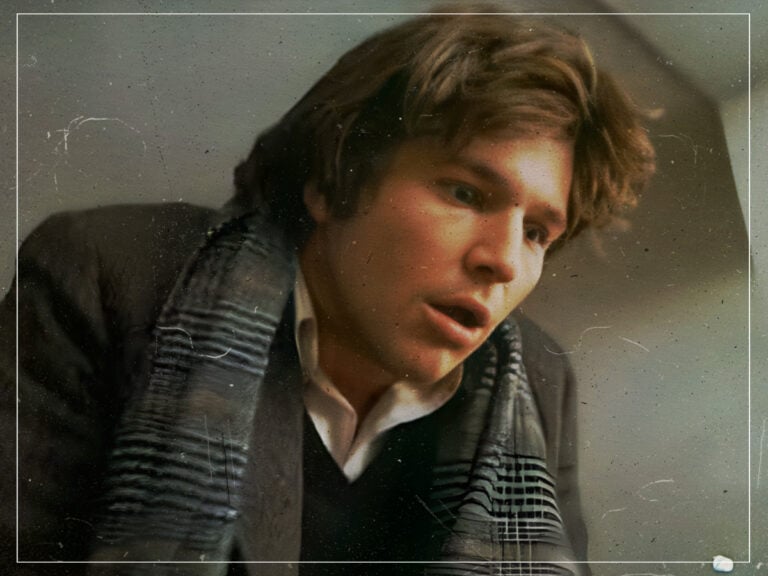

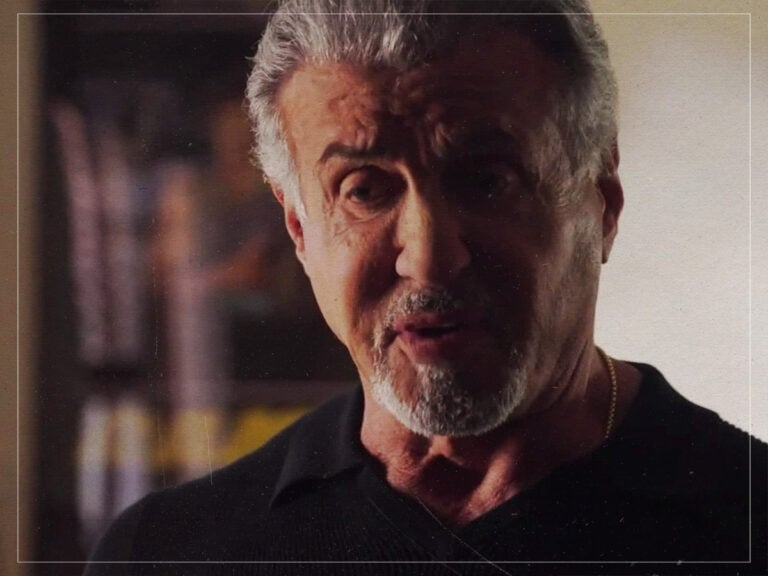
The soundtrack was every bit as important as the direction, with Friedkin admitting that if he’d discovered Tangerine Dream sooner, he’d have asked them to score The Exorcist. Instead, going to one of their gigs in an abandoned church in the middle of a forest converted him in an instant, and he knew he needed to recruit the group for his next feature-length offering.
Despite its poor reception at the time, Sorcerer does a lot of things right, and one of its strongest suits is the score. As soon as Carpenter saw the movie, he knew he was listening to something he’d never get tired of, and as far as he’s concerned, it was the pinnacle of ’70s soundtracks.
