


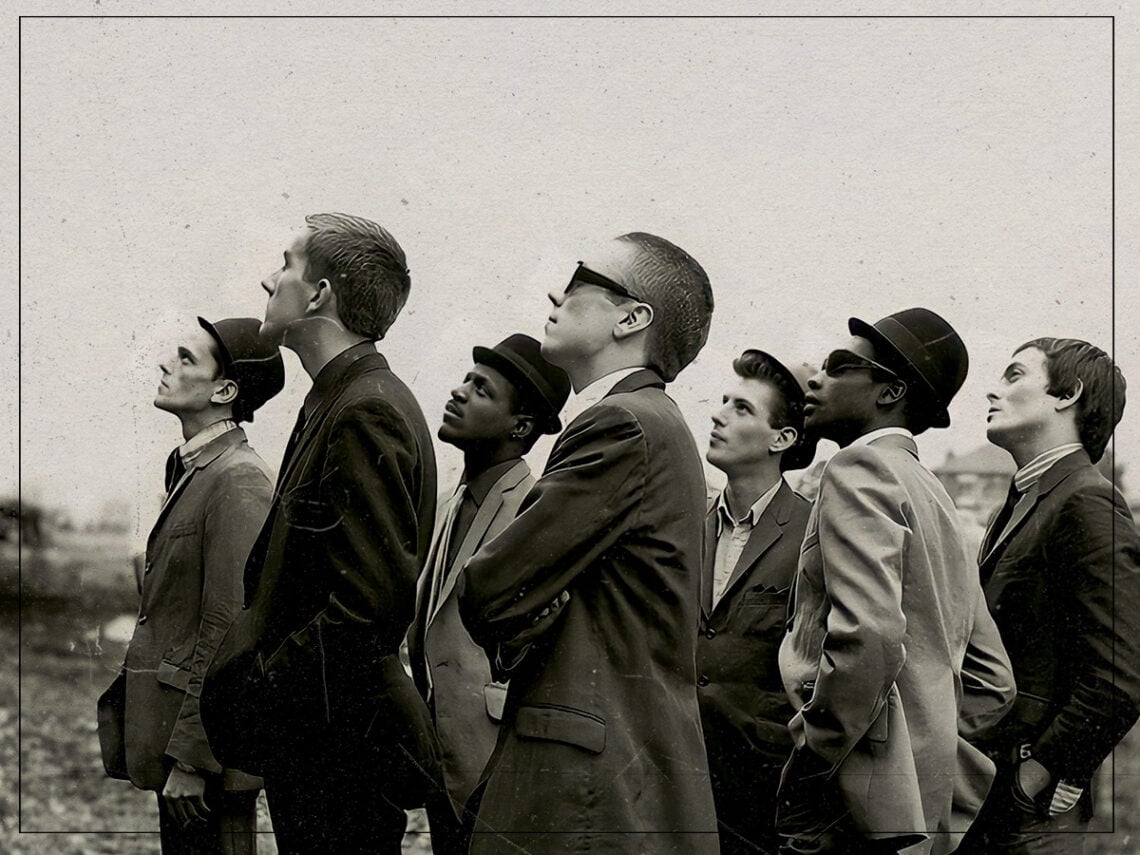
‘Ghost Town’: Did The Specials predict Britain’s present decline in 1981?

There are few songs in British pop history that oozes the era’s zeitgeist quite so potently as The Specials’ ‘Ghost Town’, as well as spy the political roads being followed with chilling prescience.
Dread, ennui, and leaden turmoil hang heavy like shackles all over its spooky skulk. Wandering ‘Ghost Town’s forlorn landscape, spectral brass blasts, and an eerie synth whine score Terry Hall, Neville Staple, and Lynval Golding’s dour lyrical reportage of empty dancefloors and shuttered-up towns all struck a disturbingly pertinent tone with the UK musicland, bottling the day’s simmering political tensions and still managing a number one.
Such a heady brew of sounds was largely pushed by band founder and 2-Tone head Jerry Dammers. The Specials had already been through the worst of their creative differences on 1980’s More Specials, Dammers eager to move away from the pure ska bounce that urgently fired their eponymous debut in favour of an expanded sonic palette that included strange splashes of psychedelia and an idiosyncratic immersion in elevator muzak. It took some convincing, but Dammers had his way, smattering lysergic cuts like ‘International Jet Set’ and the apocalyptic ‘Man at C&A’ with its subtly electronic bristles.
The mood was low in The Specials camp, despite such artistic highs, and compounded by an exhausting touring schedule, obliged by members of the band still unsure of Dammers’ creative vision. Such a nasty air was only reflected back from outside the bus window, touring across the country and witnessing the gnawing recession taking hold of working-class communities, from closed shops in Liverpool to Glaswegian ladies desperately selling their crockery and china.
Armed with his new arsenal of stylistic influences, Dammers knew he could summon the perfect soundtrack to this urban decay his generation was witnessing.
“The overall sense I wanted to convey was impending doom,” Dammers recalled to The Independent in 2011. “There were weird, diminished chords: certain members of the band resented the song and wanted the simple chords they were used to playing on the first album. It’s hard to explain how powerful it sounded. We had almost been written off, and then ‘Ghost Town’ came out of the blue.”
Dammers’ intuitions proved almost clairvoyant. When finishing up the first bulk of ‘Ghost Town’ sessions in Leamington Spa’s Woodbine Street Recording Studios in April 1981, the tension that hung in the air had reached boiling point. Anger at the police’s disproportional ‘stop-and-search’ harassment of Black youths, combined with the dismal unemployment figures under Prime Minister Margaret Thatcher’s monetarist bludgeon, triggered riots in south London’s Brixton, followed by equally serious unrest three months later in Liverpool’s Toxteth, Birmingham’s Handsworth, Leeds’ Chapeltown, and the Moss Side area in Manchester.

The neoliberal winds were bottled, with it all the class disenfranchisement, rendering the country’s powder keg during those Woodbine sessions. Conjuring its apparitional production and the analogy of a lost community’s phantasmic echoes, The Specials didn’t just predict the 1980s’ decline, but marked the political machinations in place that sought to sacrifice all of the post-war protections at the altar of market forces and feed the clamouring demand of the gluttonous capital class.
Nearly 45 years later, ‘Ghost Town’ feels less like a time capsule and more like a soundtrack to the febrile contemporary, its haunting synths just as aptly reflecting the anger and fear fogging the small towns dotted with furiously erected St George flags amid an uninspiring abundance of Tesco Metros and luxury apartments offering nothing to the human spirit. Far from a pop relic of the past, ‘Ghost Town’ scores the all too febrile present, rearing its head when the political failure of today threatens to push people who have no hope for the future to the edge once again.
