


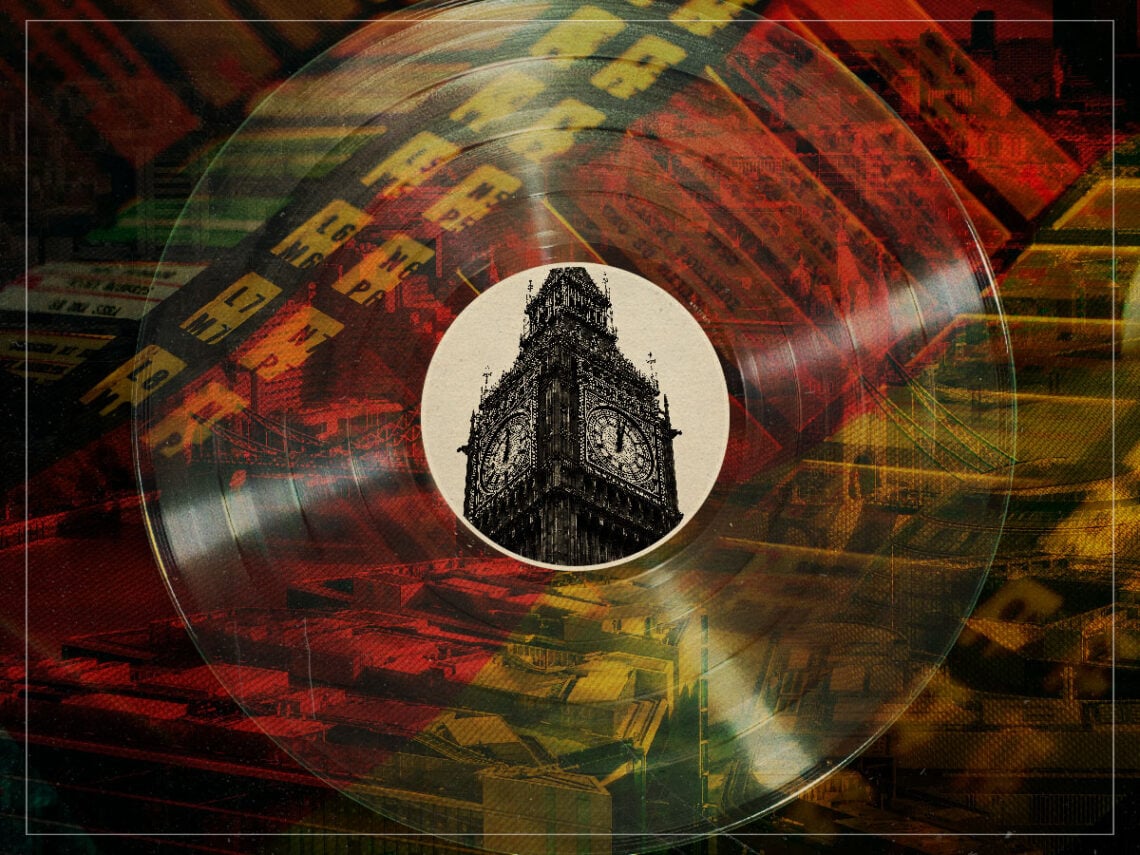
The German act that dominated the UK’s best-selling singles chart in the 1970s

It’s hard to find any pop contender in the UK’s 1970s top chart sellers that isn’t domestic or from the States.
Virtually none in fact. From the decade’s countercultural beginnings to the new wave explosion that dominated its end, all of the 1970s’ UK top 20 sellers are nearly entirely packed with the same names that largely hogged European pop rankings, too. Wings’ ‘Mull of Kintyre’ tops the entire ten years with a whopping over two million sales, with two John Travolta and Olivia Newton-John numbers from the Grease soundtrack sitting comfortably in the top five with well over a million copies off the shelves each.
For the most part, Germany’s presence in UK music culture was felt through the lauded imports early in the decade. Long before the likes of Nena, Scorpions, or Snap! ruled the British pop scene, it took the fledgling Virgin Records to place the Deutsche underground to cult status, intrepid music fans getting their hands on a litany of Krautrock imports and boosting the movement’s popularity ahead of even in the scene’s home country. Before long, Virgin would issue Tangerine Dream and Faust records early in their label history.
Germany’s place in British music and beyond will always be represented by Kraftwerk’s foundational blueprint of electronic music. While standing tall with elemental stature, and ‘Autobahn’ enjoying respectable chart presence at a high number 11, the synth pioneers only count just over 1.5 million records to this day, likely the bulk of such unit shifts across the later years as their legacy grew ever more acclaimed.
There’s one massive, German-shaped pop exception to all said, however.
So, which German group dominated the 1970s UK singles charts?
Perhaps the German origins are tenuous. Kirn singer-songwriter and record producer Frank Farian recorded a dance number called ‘Baby Do You Wanna Bump’, performing its repeated one-line lyrical refrain in both baritone croon and high-falsetto. Eager for a pseudonym, Farian happened to chance on the end of a popular TV show from Australia, Boney, and the seeds of his pop impresario project were born.
The members themselves weren’t actually from Germany at all. Marcia Barrett, Maizie Williams, and Liz Mitchell were either born in England or raised there as Jamaican émigrés, and flamboyant dancer Bobby Farrell came from Aruban heritage before moving to the Netherlands. However, all corralled in West Germany by Farian’s team, the mixture of models and pop hopefuls was soaking up the disco trends of the day.
They’d score pop gold. While Farrell would mime to Farian’s vocals, Boney M would score hits all over the world, including the Soviet Union, and stand as the only international band to feature on the UK’s 1970s top 20, the festive ‘Mary’s Boy Child’ in at number four with 1,790,000 estimated sales, and ‘Rivers of Babylon’ taking silver medal behind Wings with a hefty 1,985,000.
Boney M would eventually wind down in 1986 after Farrell was replaced with Reggie Tsiboe, and Farian would find fame later on with groups No Mercy and, most notoriously, Milli Vanilli. In a strange twist of fate, Farrell would die of heart failure in 2010 in St Petersburg, the same city where the Russian monk and theme of Boney M’s namesake hit Rasputin also died, exactly 94 years to the day on December 30th.
