


Gene Simmons’ bizarre attempt to trademark the ‘devil horns’ gesture

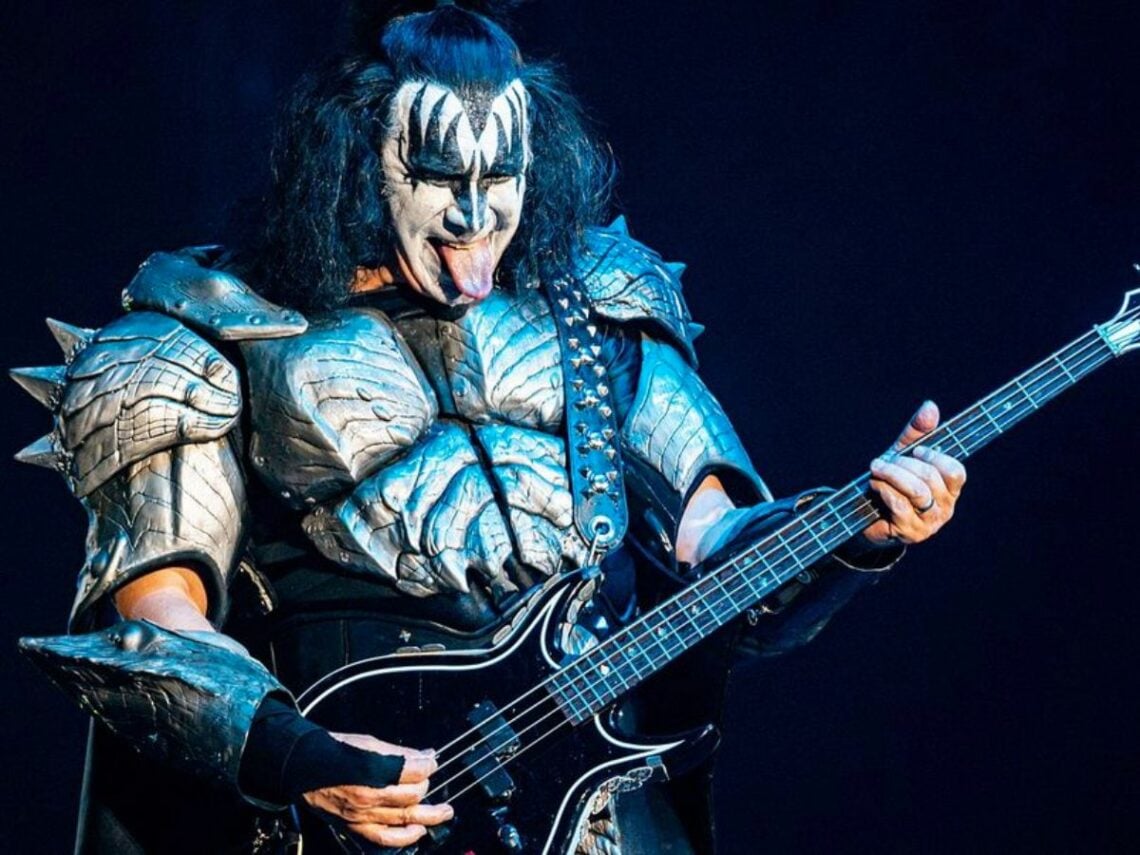
Some artists, long past their prime and craving attention or legacy, spend their later years merchandising their past or litigating it—or both. Gene Simmons, best known to younger audiences as the creepy tongue guy from reality TV, didn’t need to change his ways to cash in on his glory days. As a founding member of Kiss—the superhero pyrotechnic glam rock machine—branding, merch, trademarks, and lawsuits were part of the package from day one. Simmons helped redefine rock ’n’ roll excess for a post-Zeppelin, anti-punk generation.
In his filing, Simmons claimed he first used the gesture, with a crucial splayed-out thumb in his version, as early as November 14th, 1974, during a Kiss show. He argued that the hand sign had since become inextricably linked to him and should be considered a personal trademark, meaning anyone else using it would need to pay a licensing fee.
The response to the stunt was swift and mostly incredulous, with many seeing it as yet another slap in the face to the late Ronnie James Dio—one of Simmons’ longtime rivals and a far more credible claimant to the devil horns gesture. Dio never tried to trademark it; he simply said he picked up the “evil eye” from his Italian grandmother and had been using it on stage since the early ‘70s. Before his death in 2010, Dio addressed the matter with trademark sarcasm: “Because I’ve been lucky enough to have done [the devil horns gesture] so much, it’s been more equated with me than anyone else. Although Gene Simmons will tell you that he invented it. But then again, Gene invented breathing, and shoes, and everything else.”
As another counter to Simmons’ claims, some Beatles fans pointed out John Lennon’s hand gesture on the 1969 Yellow Submarine album cover and the related psychedelic counterculture imagery that predated Kiss by nearly a decade. And then there’s the ASL community, who rightly noted that Simmons’ claimed gesture wasn’t even the proper “devil horns” or “metal horns” finger alignment you’d see at a rock show, but literally just an untrademarkable “I Love You” message.
Regardless of where the gesture came from, the idea that someone could own it—and enforce that ownership—seemed not just dubious but laughable. Even if Simmons had been the first to use it in a specific entertainment context, his application faced the uphill battle of proving that the symbol had acquired a secondary meaning in the minds of the public: namely, that people saw the gesture and thought “Gene Simmons” and not, say, “Ozzy Osbourne”, “Ronnie James Dio”, or, even in a worst case scenario, “Kid Rock.”
Just two weeks after submitting the paperwork, Simmons quietly abandoned the application without comment. No apology, no press conference, just a formal withdrawal on June 20th, 2017. Whether it was due to legal counsel, mounting backlash, or simply a realisation that this might not be the branding slam-dunk he envisioned, Simmons retracted the horns and got to work on his next bad ideas, including charging fans $12,500 to be his personal assistant for a day.
