


‘You Can’t Tame Me’: the forgotten garage track that paved the way for punk

A revolution held together by safety pins and barre chords: punk rock exploded onto the scene during the mid-1970s. Expressing their anger and disgust with the complacency of the pop and rock music populating the charts, legions of disenfranchised young artists found their own distinct voices within the punk movement. Subverting popular culture and challenging expectations of sexuality, class, and gender, punk was a cultural revolution, but its defiant origins stretch back many years prior to the age of Patti Smith or the Ramones.
Attempting to find the original origins of punk is like trying to find a safety pin in a haystack, largely because the parameters of punk are so often disputed. You could certainly argue that the rebellious, subversive spirit of punk stretches back to the first rock ‘n’ roll age of the 1950s, with figures like Screamin’ Jay Hawkins paving the path for shock rock and outraging audience members. If you look at the unavoidable political angle of the punk age, you might draw parallels to the Beatnik generation or early hippies, who used music and art to put across a left-wing political message. It is all up for interpretation.
Attitude was a crucial part of punk, with self-determination and a staunch DIY mindset prevailing throughout virtually all forms of punk rock. Artists like The Velvet Underground, The MC5, and the Iggy Pop-fronted The Stooges were crucial in establishing this defiant attitude, but they all owe their roots to the extensive underground landscape of garage rock. Emerging in North America during the mid-1960s, the garage boom saw young bands formed from DIY origins playing abrasive rock music together, largely for their own enjoyment.
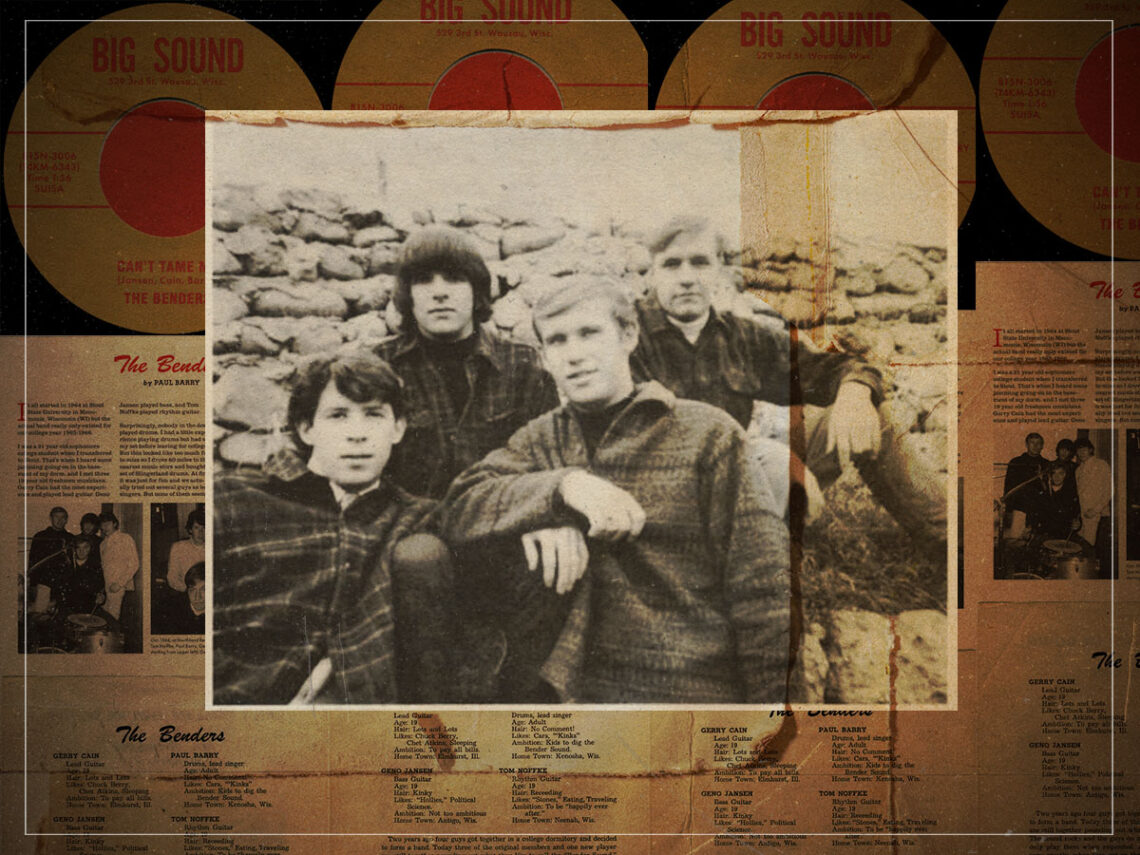
Aside from a few notable exceptions, such as The Kingsmen and their legendary track ‘Louie Louie’, the vast majority of the original garage rock scene has since been resigned to obscurity – often eclipsed by the punk scene, which arrived some years later. One of the scene’s most crucial anthems arrived in 1966 from a virtually unknown college band in Wisconsin named The Benders.
Like many garage rock outfits, The Benders didn’t record much material, and they didn’t last long, either. After the members finished college, they each went their separate ways, and all that was left to evidence the existence of the band was a seven-inch single, released by Duke Wright’s Big Sound label, featuring the A-side track ‘You Can’t Tame Me’.
A typical garage track featuring rockabilly-inspired guitars, fuzzy distortion, and soulful lyrics, the song tells the tale of a lover who refuses to change themselves to suit the needs of a partner. On a surface level, it is easy to view the song as another energetic garage rock love song, but it was much more important than that when looking at its defiant message of self-determination and individuality, refusing to conform to society or to anybody else’s desires. In that way, the song predicted the later rise of punk and its inherent attitude.
Of course, ‘You Can’t Tame Me’ was not the only garage song to have an impact on the sound and ethos of punk rock, but its overt defiance almost directly echoed the message of groups like the Ramones, The Damned, or even the Sex Pistols years later. Upon listening to works that are traditionally considered ‘proto-punk’, such as The Stooges, tracks like ‘I Got A Right’ have virtually the same message as ‘You Can’t Tame Me’, albeit delivered with more distortion.
Given that The Benders only released one single on an obscure independent label in Wisconsin in 1966, the band inevitably fell into obscurity after their college days. Thanks to the song being included on various garage rock compilations throughout the 1980s and 1990s, however, the song finally gained the recognition it so richly deserved. Whether it directly influenced punk rock or not, it does seem as though the college band summarised the core message of the scene an entire decade before it fully established itself.

Never Miss A Beat
The Far Out Punk Newsletter
All the latest Punk content from the independent voice of culture.
Straight to your inbox.