


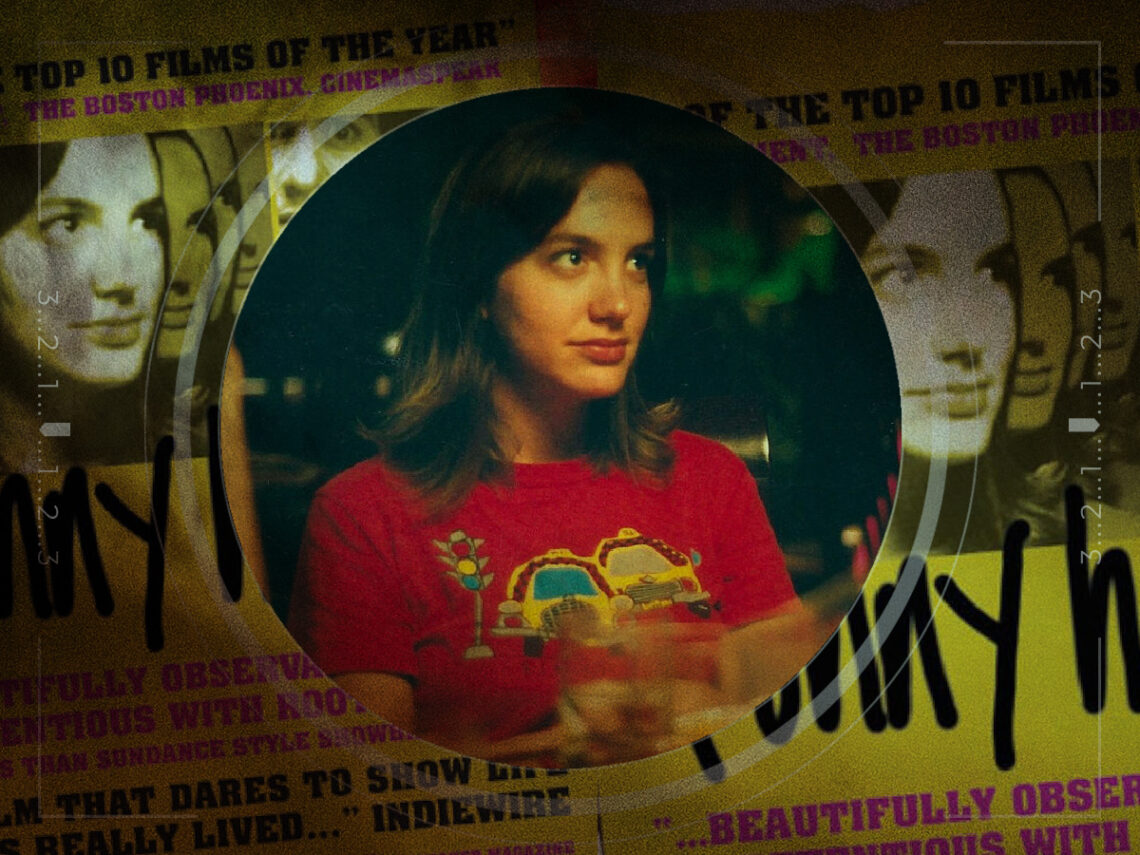
‘Funny Ha Ha’: the true beginning of mumblecore

The term ‘mumblecore’ might have you imagining every character of a film speaking like an especially mumbly Marlon Brando, but these films, which rose to prominence in the early 2000s, have much more appeal than that, I promise.
Sometimes, a movie will hit you at exactly the right time in your life, it’ll be unpolished and messy, with a character who probably makes some mistakes and doesn’t know what they want from life, but it’ll totally resonate, and mumblecore movies fit the bill perfectly – if you’re in your early 20s and feel a little lost, chances are you’ll find a sense of recognition in Funny Ha Ha.
Directed by Andrew Bujalski, the movie is widely considered the beginning of the mumblecore genre, a distinctive brand of American indie filmmaking that followed in the footsteps of early John Cassavetes and ’90s Richard Linklater movies. As filmmaking started to become more accessible in the 2000s – and American cinema championed indie movies throughout the previous decade, giving rise to ‘Indiewood’ – it wasn’t long before mumblecore found its place.
You can see traces of mumblecore in ‘90s movies like Eric Rohmer’s A Summer’s Tale, Linklater’s Dazed and Confused, and Nicole Holofcener’s Walking and Talking, but Funny Ha Ha, released in 2002, is much more DIY, shot on 16mm on a budget of just $30,000. It’s Bujalski’s use of a tiny budget and completely naturalistic acting, devoid of all frills and glossiness, that makes it feel like you’re hanging out with main character Marnie – we become an imaginary angel/devil on her shoulder as she navigates life.
When we first meet Marnie, she is contemplating a tattoo while drunk, and we’re dropped straight into the narrative without much introduction. Clearly, she’s a little impulsive and not all that sensible, and soon the film builds up a portrait of a woman stuck between childish crushes, getting a job, and realising that, after college, the only person you truly have is yourself.
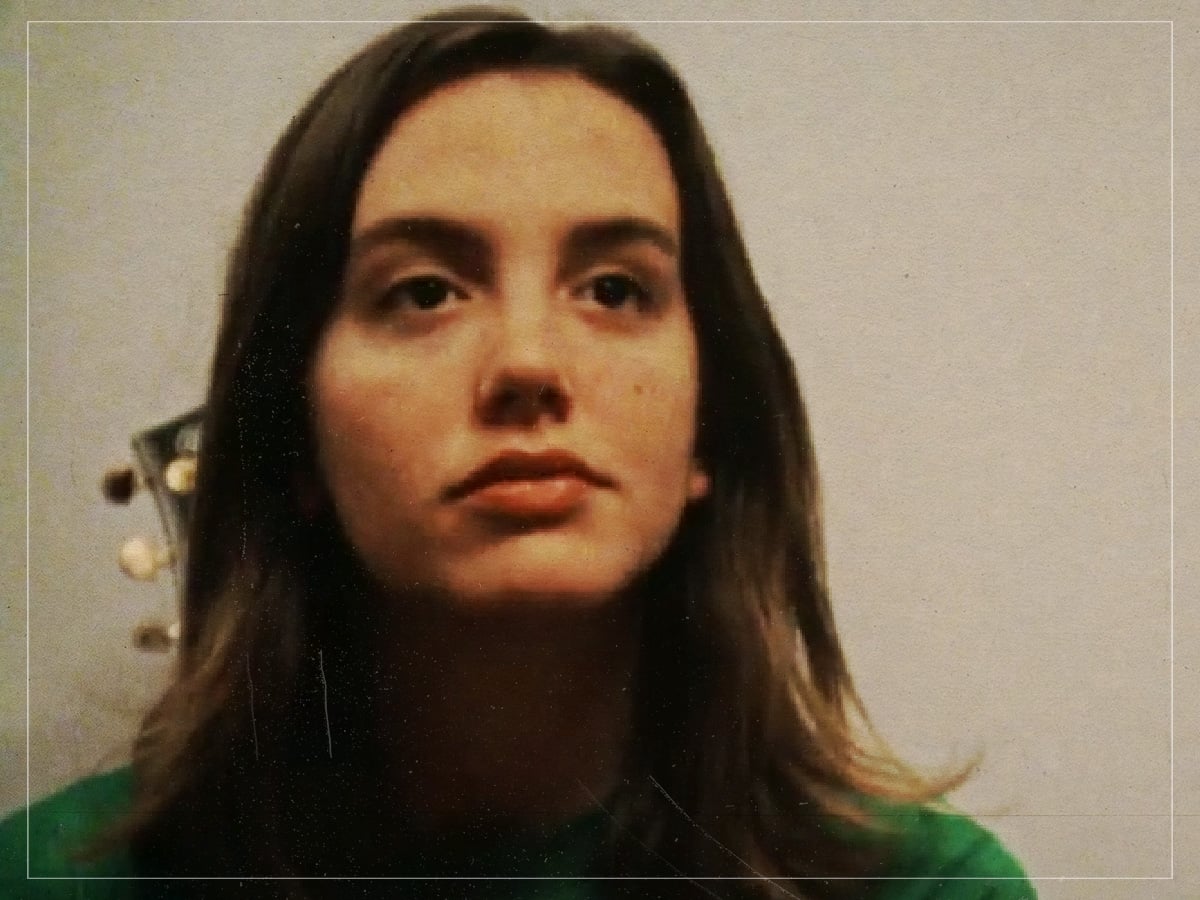
There’s not much plot, but instead we’re thrust into the lives of characters that it’s hard to believe aren’t real – probably because they basically are. Marnie and her friends, her love interests, and the people she interacts with in public, are all familiar to us, with Bujalski using handheld shooting (courtesy of Matthias Grunsky) in real locations to create almost a verite documentary style of filming.
It doesn’t really matter what happens to the characters – if Marnie’s crush on her longtime friend Alex is fulfilled or rejected, or if she finds a better job or not – that’s not the point. Instead, as she walks and talks, attends parties, bumps into people at grocery stores, attends job interviews, and goes on dates, we simply go along for the ride, swept up in the naturalism of the characters and the camera.
While Hollywood loves to give audiences at least a little bit of what they want, Funny Ha Ha is much more true to reality, and it can be crushing to watch Marnie face rejection in scenarios that we’re used to seeing in other films, albeit with more hopeful endings. Perhaps we never will get to date our crush – that’s just the way it goes.
Mumblecore soon flourished with the release of similarly low-budget movies led by non-professional actors, including the likes of Joe Swanberg’s Kissing on the Mouth, Jay and Mark Duplass’ The Puffy Chair, Aaron Katz’ Dance Party USA, and the Greta Gerwig-penned Hannah Takes the Stairs. Bujalski’s film kickstarted it all, though, and you can clearly see its influence over the likes of Frances Ha and even shows like Girls.
With minimal music or the kinds of techniques that we’re used to seeing when we watch a film, Funny Ha Ha is the ultimate stripped-back version of what a movie can be, yet it’s utterly compelling nonetheless.
