


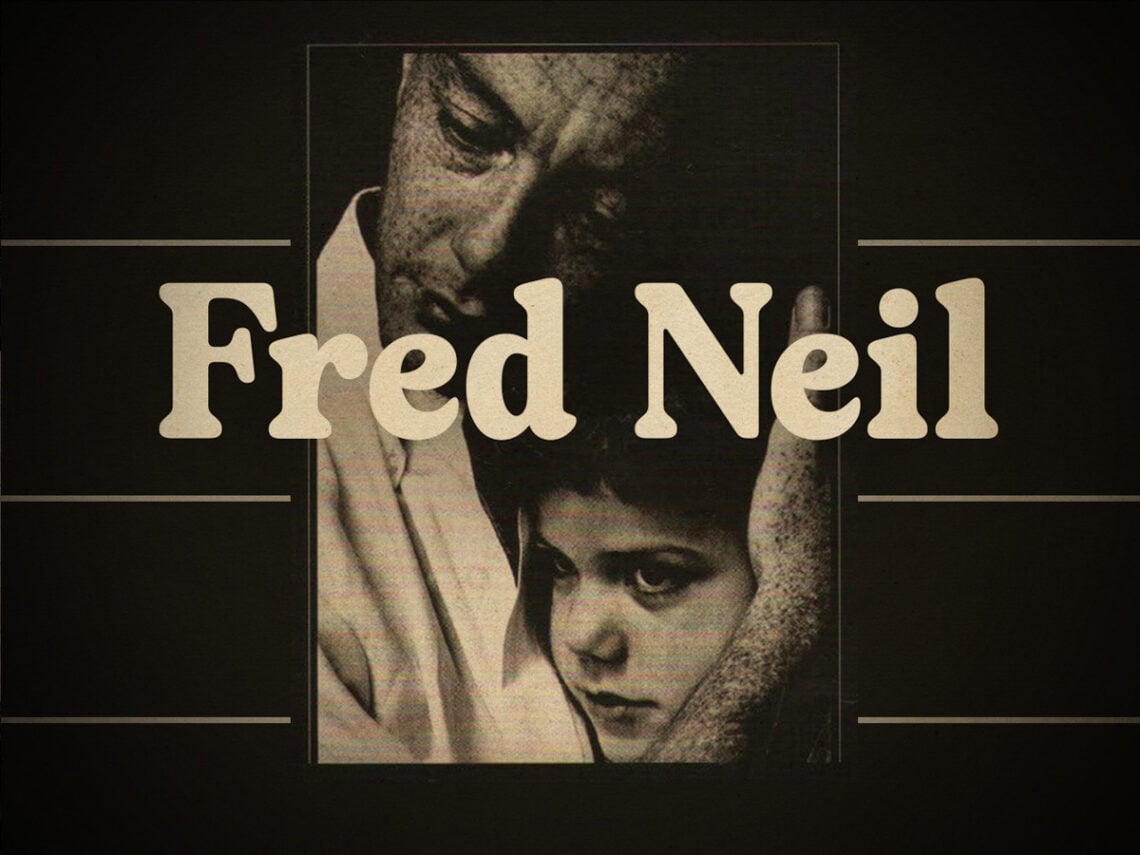
Fred Neil: The reclusive 1960s folk singer who made a million dollars and walked away forever

“The kids today are more hip than ever, and they want to hear some honest songs for a change”: Those are the words of Fred Neil, casually captured on tape after a gig at the Night Owl in Greenwich Village, sometime in 1965.
Neil was 29 and a somewhat marginal figure on the national folk stage, with just two obscure studio albums to his credit at the time. In New York, though, it was a very different story.
As one of the early architects of the Village folk scene in the late 1950s, Neil was held in similar regard to Dave Van Ronk, the so-called ‘Mayor of MacDougal Street’. Both men were born in 1936 and served as a bridge of sorts between the previous generation of folk artists, including Pete Seeger and Woody Guthrie, and the new Boomer generation arriving in the city by the early ‘60s: Phil Ochs, Joan Baez, Tim Hardin, David Crosby, and a fella named Bob Dylan.
A famous part of Dylan lore, in fact, is that, upon arriving in New York as the wide-eyed, teenage vagabond from Minnesota in the early weeks of 1961, he was advised by some oracle or another to seek the guidance of Fred Neil, the overseer of all the wannabe folkies.
Dylan was playing almost exclusively Woody Guthrie covers at the time and had to earn his stripes at the local clubs.
“I used to play with a guy called Fred Neil,” Dylan recalled to Westwood One Radio in 1984, “Fred was from Florida, I think, from Coconut Grove, Florida, and he used to make that scene, from Coconut Grove to Nashville to New York. He had a strong, powerful voice, almost a bass voice, and a powerful sense of rhythm… He used to play mostly these types of songs that Josh White might sing. I would play harmonica for him, and then once in a while get to sing a song; you know, when he was taking a break or something. It was his show.”
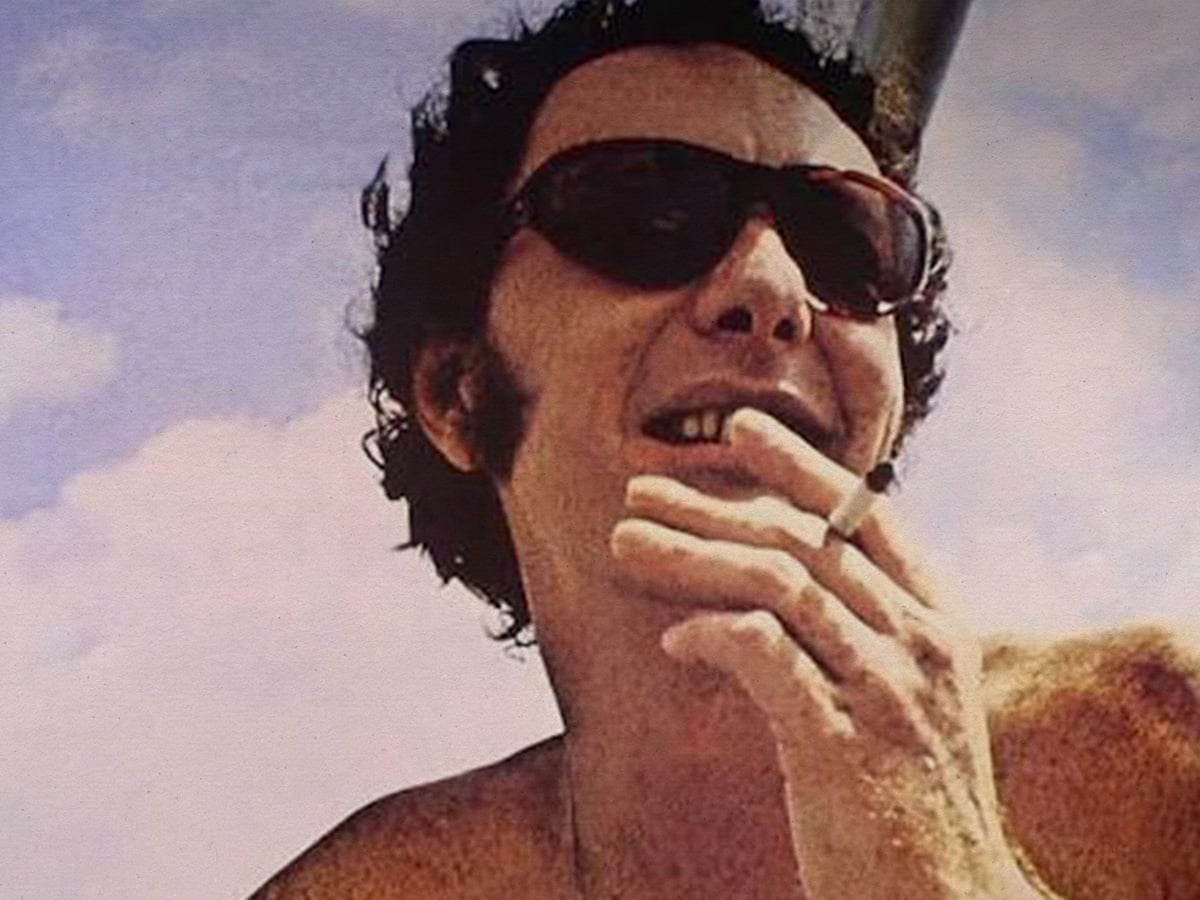
Those gigs in the basement of Cafe Wha?, contrary to popular belief, didn’t just involve a revolving door of acoustic guitar players sitting on stools. Along with the core crew of Neil, Len Chandler, Odetta, Dino Valenti, and Karen Dalton, Dylan could hangout and watch a variety show unfold into the wee hours of the morning, with the folk acts complemented by an army of conga drummers (Los Congueros), comedians, crooners, impersonators, and other random performance artists.
“And you’d get fed there,” Dylan noted, “which was actually the best thing about the place”.
By the time Hit Parader magazine interviewed Fred Neil in 1965, the Village scene had already become a shell of its former self. Dylan was now a gigantic superstar, of course, but the subsequent tourist takeover of the old clubs sent many of the original artists fleeing, and those who remained, like Neil and Van Ronk, were left to shake their heads in bewilderment.
“The things that came out of that one little basement [in Cafe Wha?],” Neil said, “all the people…so much has happened to these people since then”.
By the end of the 1960s, Van Ronk was famously the last man standing, bitterly barking like an old man, despite still being in his 30s, about how the neighbourhood had been usurped by squares “who don’t belong here”.
Fred Neil’s opinions on the matter are less clear. That’s because, after giving that one interview to Hit Parader in 1965, he never spoke to the press again. A fairly shy and reclusive person to begin with, Neil abruptly walked away from the music business at 35 and put most of his time and energy into a dolphin conservation project in South Florida.
This is a decision he might well have come to regardless of his financial situation, but it was likely made a lot easier after one of his compositions, ‘Everybody’s Talkin’, was covered by Harry Nilsson and landed on the soundtrack to the 1969 hit film Midnight Cowboy. Largely ignored when it was originally released on Neil’s self-titled 1966 album, and achieving a similar lack of fanfare when Nilsson put out his version for the first time in 1968, the song was reborn as the memorable theme to the Dustin Hoffman / Jon Voight drama, and shot to the top ten on the Billboard charts, eventually winning a Grammy.
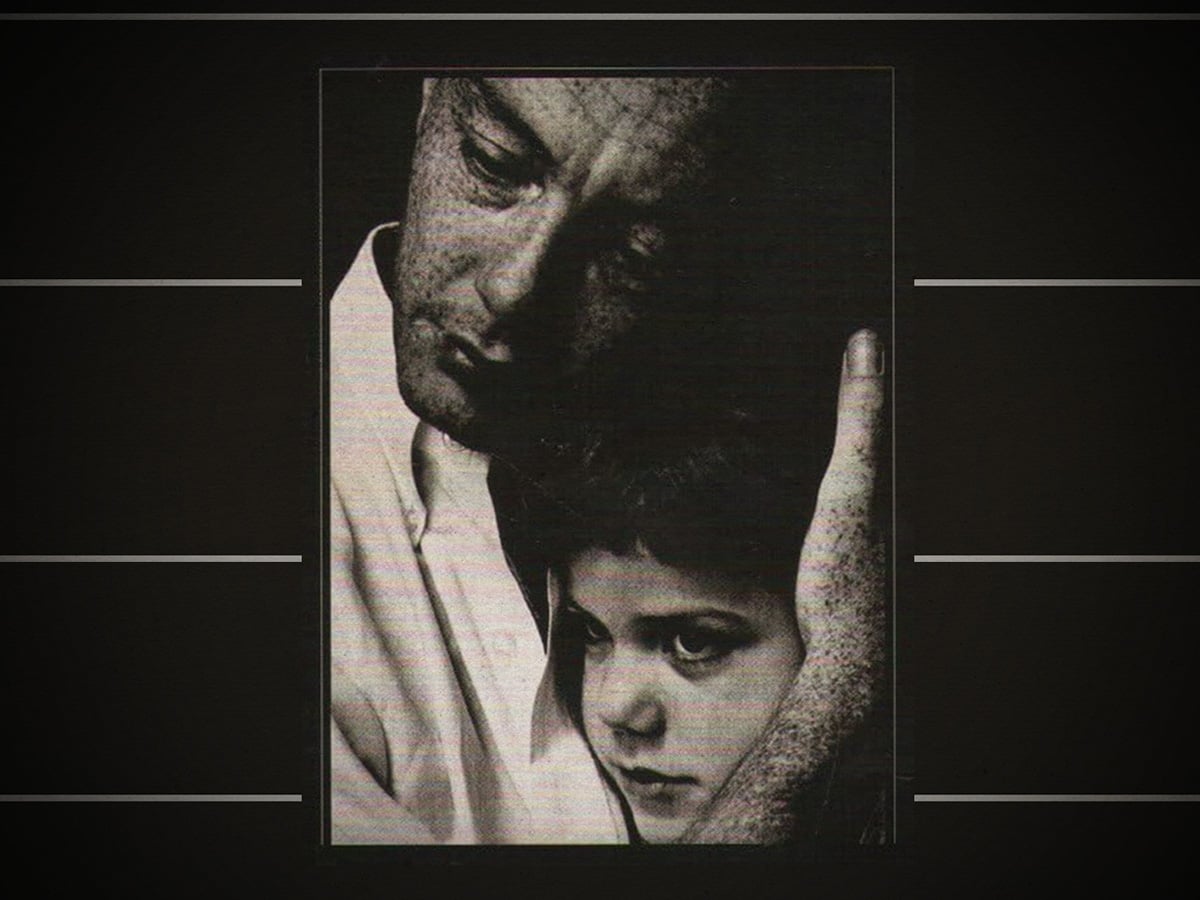
No one is quite sure just how lucrative the royalties from ‘Everybody’s Talkin’ ultimately proved to be, but it’s generally believed that Neil became an overnight millionaire after the song went supernova. Capitol Records tried to capitalise on the moment, as well, re-releasing Neil’s 1966 album under the new title of Everybody’s Talkin’ in 1969. It was now, in an odd way, Neil’s signature song, even though the vast majority of people associated it exclusively with Harry Nilsson.
The lyrics to ‘Everybody’s Talkin’, in retrospect, sound like a useful insight into Fred Neil’s mindset in the late ‘60s, as he found himself left behind after the folk tidal wave, out of place in a rapidly changing New York, disconnected from the people around him and longing to return to the Florida coast where he’d spent a lot of his youth: “I’m goin’ where the sun keeps shinin’ / Through the pourin’ rain / Goin’ where the weather suits my clothes”.
A few years later, that’s exactly what he’d do.
There would be no new albums from Neil after 1967’s Sessions, aside from another Capitol compilation of odds and ends in 1971, and while he is said to have worked on more than one comeback record in the 1970s, none ever saw the light of day.
It would be easy enough to say that Fred Neil disappeared into obscurity, tagging dolphins and living happily ever after, but the shocking lack of commentary from the man himself over the final 35 years of his life (he died in 2001 at 65) has turned him into a much more mysterious and fascinating figure, particularly as his legacy has only seemed to grow from one decade to the next.
Once known primarily as “the guy who wrote ‘Everybody’s Talkin’,” Neil is now looked at as a Zelig-esque or Forrest Gump-ian character, sewn into the fabric of American music history in such a way that pulling out his thread might make the whole tapestry fall apart.
Before he took Dylan under his wing at Cafe Wha?, Neil was one of the young factory songwriters over at the Brill Building, co-writing tunes for the likes of Roy Orbison (‘Candy Man’) and Buddy Holly (‘Come Back Baby’).
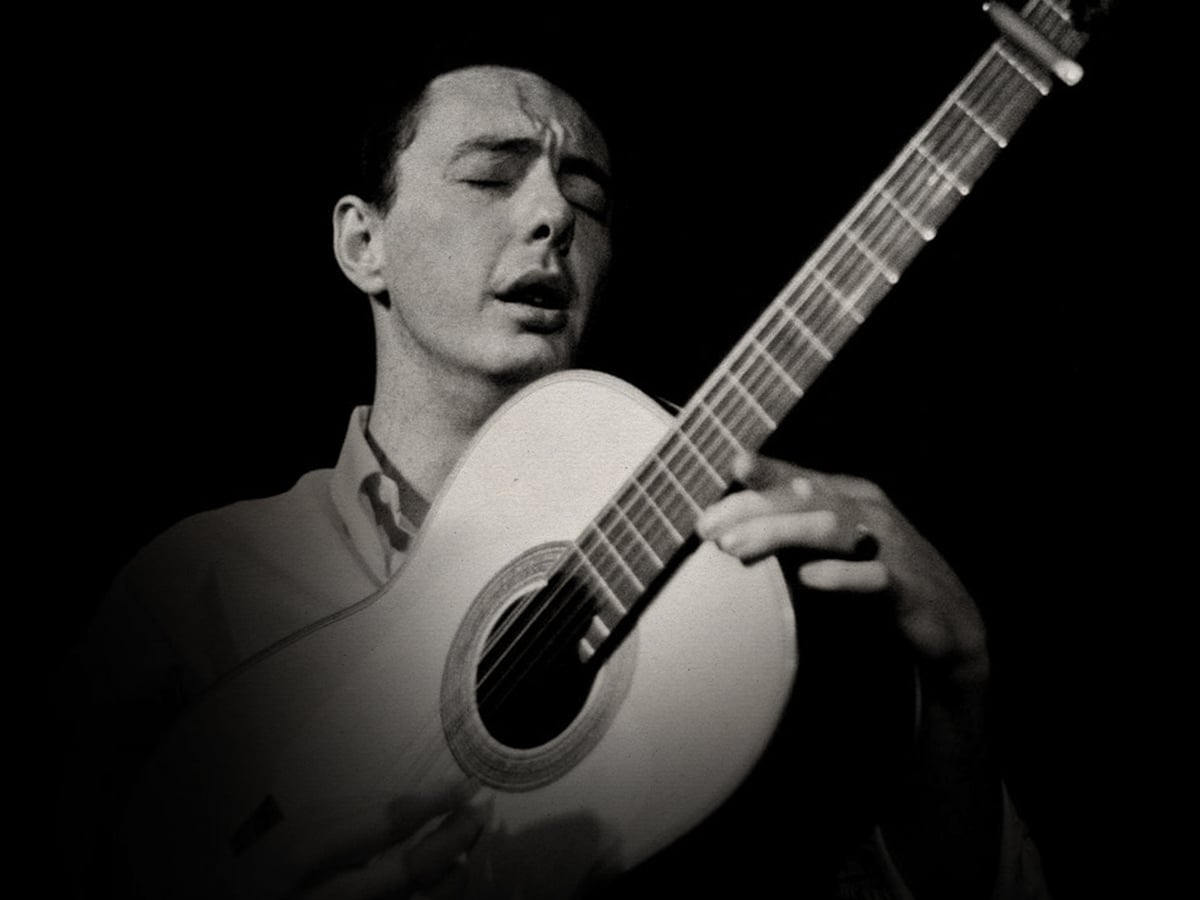
“I think if Buddy Holly had lived, he would have been one of the most recognised people in folk music as well as in pop and country,” Neil said during that lone 1965 interview.
Neil was also a huge inspiration and a mentor-like figure to a who’s who of ‘60s folk rock. David Crosby, Tim Buckley, and even Joni Mitchell learned at his side. When Neil recorded his first album with Vince Martin in 1963, future Lovin’ Spoonful frontman John Sebastian was the 18-year-old kid on harmonica, and when Ritchie Havens first saw Neil play the early protest song ‘Tear Down the Walls’ at Cafe Wha?, he discovered a new potential for his own music, later crediting Neil as the “first to point me in a clear direction”.
Odetta compared his voice to Paul Robeson’s; Jefferson Airplane wrote a tribute song to him (titled ‘The Ballad of You and Me and Pooneil’ because Grace Slick thought Neil had a Winnie the Pooh vibe), and The Band used to hang out with him in Woodstock, New York, where Neil owned a home on the same street as the famous ‘Big Pink’ house. Crosby, Stills & Nash nearly named themselves Freddie’s Children as the ultimate nod to their hero, until Neil himself intervened and suggested using their own names.
John Sebastian felt CSN’s original idea was spot on, though. “We are his children,” he said in 1999, “guys like Richie Havens, Stephen Stills, Crosby, and myself. Fred influenced a generation of songwriters. We all learned and borrowed, and we all wish that he wouldn’t be such a stranger.”
Neil’s admirers and former collaborators, not to mention hundreds of music journalists between 1965 and 2001, made countless efforts to reconnect with the singer, either to hear his story or record new music with him. But he remained stubbornly, frustratingly, and sometimes confusingly ‘in hiding’, and these things never came to pass.
“I still don’t know exactly where I’m going myself,” Neil said back in 1965, “I’m following the music, trying to write it as I see it, whatever it is. And if I can’t see it, I’ll even say that. On [the 1965 song] ‘Other Side of This Life’, I got away with saying ‘Would you like to know a secret? I don’t know what the heck I’m doing!’ But at least I wasn’t copping out.”

Never Miss A Tale
The Far Out Bob Dylan Newsletter
All the latest stories about Bob Dylan from the independent voice of culture.
Straight to your inbox.