


“It’s been usurped”: The death of Greenwich Village through the eyes of Dave Van Ronk

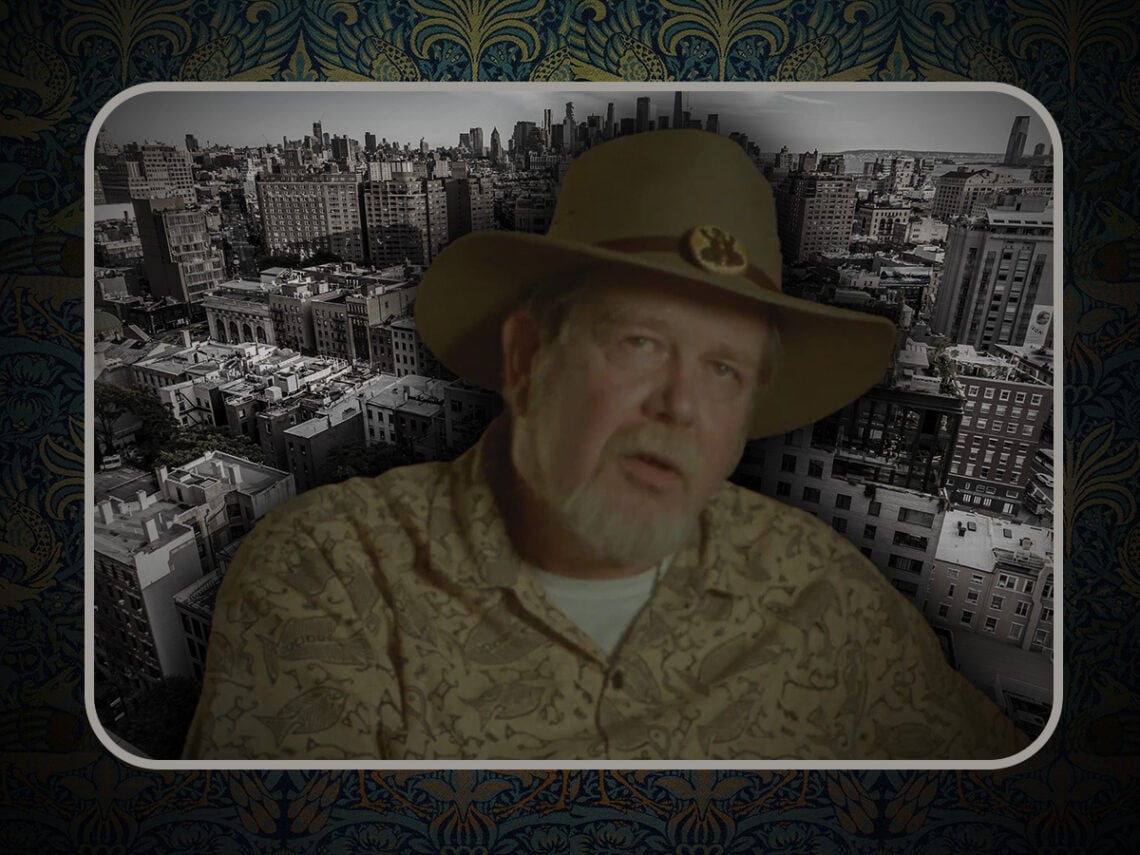
Folk singer Dave Van Ronk was a big, burly, slightly intimidating character, the type you’d often see sitting at the bar after a gig, spinning a yarn while occasionally shaking his head in disgruntled disbelief about one thing or another.
“I have often thought back and wondered just what my reaction would have been at age 17 if someone had told me I would go through most of my life being called a folk singer,” Van Ronk told the audience during his last performance in 2001, “I probably would’ve slashed my wrists.”
Known as the ‘Mayor of MacDougal Street’, Van Ronk settled in Greenwich Village as a teenager in the early 1950s, having already split his childhood years between Brooklyn and Queens, with a dream to play jazz, but he landed on the more manageable genres of folk and blues, and wound up becoming one of the central figures of the Village scene, famously putting a roof over Bob Dylan’s head and serving as a mentor and/or key collaborator for the likes of Phil Ochs, Tom Paxton, Terre and Suzzy Roche, and Danny Kalb, among many others.
The lasting image of Van Ronk, however, isn’t quite the benevolent guru à la Pete Seeger, but the hard-luck, overlooked genius; grizzled and bitter about his career, the commercialisation of folk music, and most importantly, the demise of his beloved Greenwich Village.
It’s not surprising that the Coen brothers leaned heavily on Van Ronk’s posthumously published memoir as inspiration for their 2013 film Inside Llewyn Davis, in which Oscar Isaac portrays a smaller, cuddlier version of a his type: a talented singer-songwriter who exudes everything that the Village was supposed to be about in the early ‘60s, but who can’t break through to a wider audience, lacking whatever that indefinable spark is that helps an artist transcend their own ecosystem. Even being the big fish in the biggest pond doesn’t necessarily mean the zeitgeist will find you.

Adding insult to injury, Van Ronk would often be discovered by future generations not for his own body of work, but as a footnote in the mythological tale of one of those sparky artists, Bob Dylan, who was five years his junior and maybe a bit too much of a sponge in the early going.
While working on his first record, “[Dylan] asked me if I would mind if he recorded my version of ‘House of the Rising Sun’,” Van Ronk later recalled in Martin Scorsese’s Dylan documentary No Direction Home, “So I said, ‘Well gee, Bob, I’d rather you didn’t because I’m gonna record it myself soon’. And Bobby said, ‘Uh oh’.”
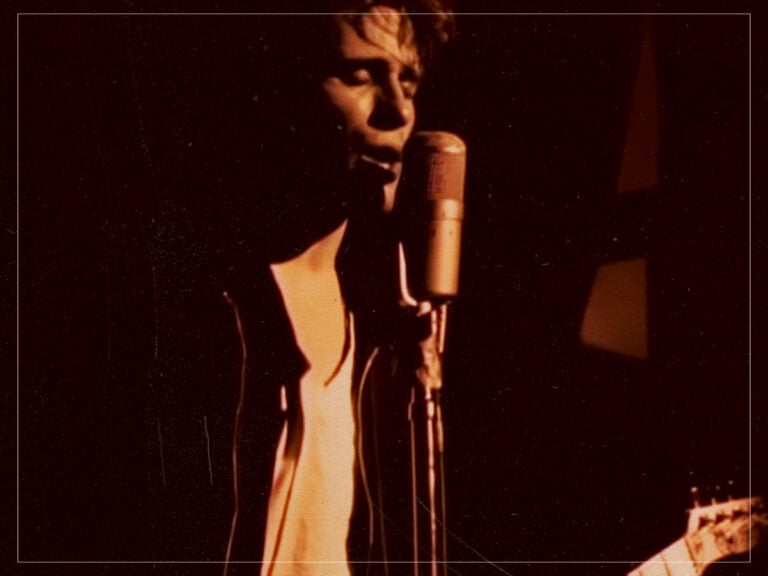
Bob had already recorded it, of course, and a few years after that, Eric Burdon and The Animals adapted that same interpretation of the old folk tune into one of the biggest hits of the British invasion. The press suspected the whole incident had led to a feud between Van Ronk and Dylan, but the former usually laughed it off in subsequent years, saying, “I learned a lot more from [Bob] than he ever learned from me”.
If Van Ronk did resent anything about Dylan, it was the wave of new attention he brought to the humble Village scene, one which had already started to attract a few too many tourists at the beginning of the 1960s, thanks to the growing romanticisation around the so-called beatniks.
Over 60 years later, people tend to think of the Village beatniks and folkies as being essentially in lock-step, all coffee-drinking socialists hanging out in the same cafes in black turtleneck shirts. But living every day in the belly of the beast, Van Ronk had a very different perspective on the social dynamics of the time, including a strict differentiation between the ‘beats’ of the ‘50s (jazz loving, political, highly literate) and the ‘beatnik’ of the ‘60s, “who were much the same sort of self-conscious young bores who 20 years later were dying their hair green and putting safety pins in their cheeks,” he wrote in his memoir, The Mayor of MacDougal Street.
“We despised them. And even more than that, we despised all the tourists who were coming down to the Village because they had heard about them. The whole beatnik thing had become a mass-media preoccupation.”
Later in life, Van Ronk would come to realise that neighbourhoods often organically develop an artistic community and then collapse under the weight of it, only to rebuild again, where one generation complained about the hippies, the next about the punks, the next about gentrification. Back in 1973, though, when he was still just 35 years old, Van Ronk looked at the past decade in Greenwich Village as a fairly tragic tale, one that left personal wounds.
“This was our last resort,” he told the Baltimore Sun in 1973, while sitting inside a Village bar near the heart of the old folk scene, “It was the only place we could live in, and it’s been usurped. We have all swallowed the grapes of wrath whole. There are too many people who don’t belong here. I don’t like the tourists. It’s becoming almost pathological with me, I hate them so badly.”
For all the energy Van Ronk spent bemoaning the unhip outsiders from the Midwest who’d ruined everything about New York, it’s likely he was also feeling a sense of personal abandonment. A lot of his old colleagues had left the Village years earlier, but Van Ronk hadn’t yet been able to bring himself to fully call it quits. Part of being the imaginary mayor of a scene meant sticking it out till the bitter end.
What the tourists never understood, in Van Ronk’s view, was that the real Village scene hadn’t been a middle-class hipster thing but was a collection of young people trying to make a living and carve out a place for themselves.
“I got into folk music for the money,” he said, “I played on the streets and in bars. We used to walk in with our guitars and start singing ‘Ghost Riders in the Sky’. If anybody looked mean, we’d sing ‘Mother Macree’.” One of Van Ronk’s old hangouts, the early folk club called Cafe Bizarre, was still operating in 1973, “but the rest are gone. They’re long since falafel joints”.
He pinpointed the beginning of the end of Greenwich Village’s glory days to 1962, the same year routinely glorified by folk music lovers as the pinnacle of the movement, most recently re-created in the Dylan biopic A Complete Unknown.
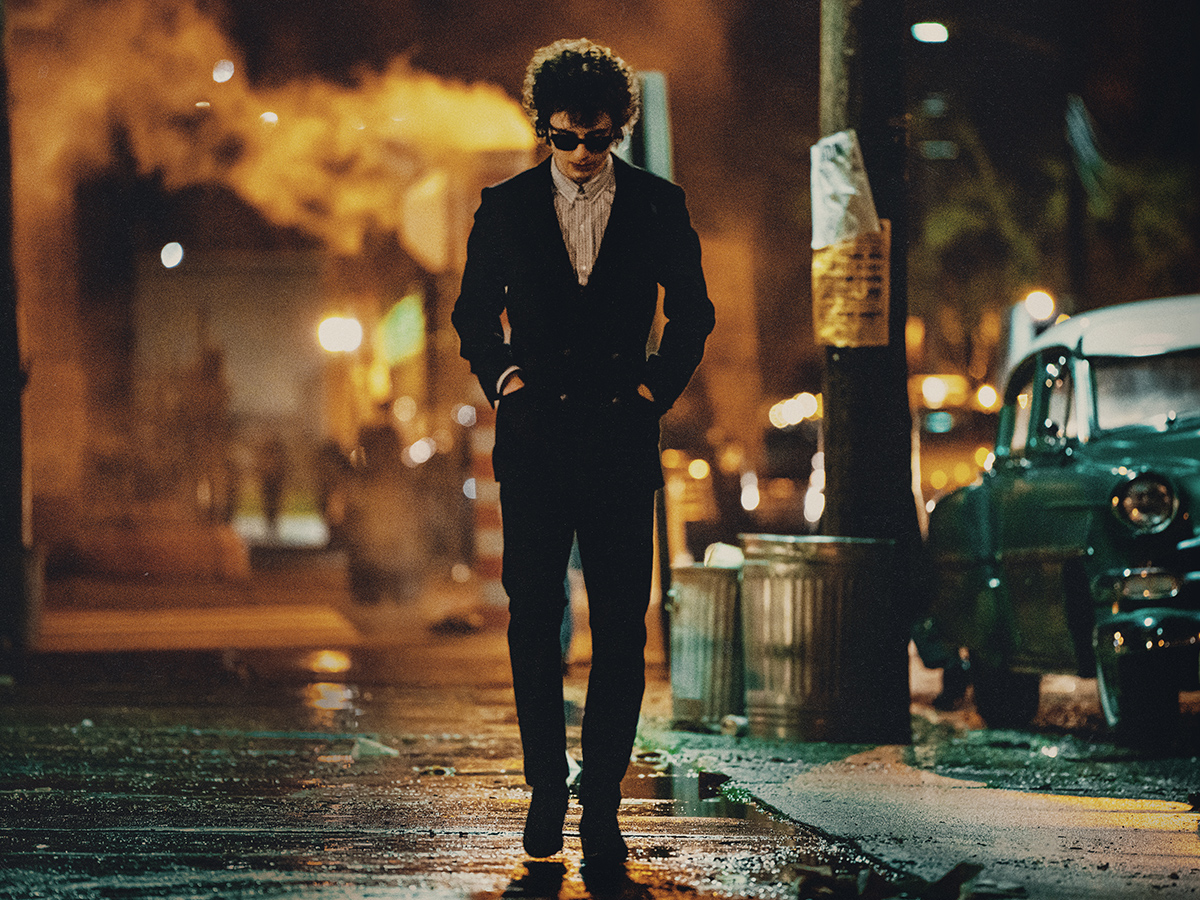
Dylan’s fame had spread the names of the Village folk clubs as far as Tuscaloosa and Saskatchewan, and every day, busloads of curious travellers now arrived in hopes of seeing the next Dylan or observing goateed beatniks out in the wild like an urban safari. Soon enough, the price of coffee doubled, and the general vibe on the streets changed, as artists and musicians found themselves dodging the worst elements of the Village infiltrators.
“We used to have to defend our old ladies,” Van Ronk said, “The crowd I used to hang around with, everyone carried a knife. Those clods would come and assume that every ‘beatnik’ girl would go to bed with anybody.”
By the late ‘60s, as hippie culture inspired another wave of new arrivals, Van Ronk knew it was over. Rock and roll had killed folk music, and tourists had killed the Village. To his credit, though, he never let his disappointment or bitterness affect his firmly established principles, such that, in 1969, he was one of 13 people arrested for fighting back against the police during an illegal raid of a Village gay bar called the Stonewall Inn. He had been eating at a restaurant across the road, but ran outside when he witnessed the commotion on the street, a pretty strong indication of a person still dedicated to his neighbourhood. The incident, known as the Stonewall Riots, became an important launch point for the gay rights movement going forward.
Despite his curmudgeonly attitude, Van Ronk was the ‘Mayor’ for a reason. He believed in the bigotry-free ideals of the Village at its best, and even if it was a drag to be there by the 1970s, there were always methods of capturing the old feeling.
“If one smokes enough dope or drinks enough,” he said, “he can still feel he belongs in Greenwich Village”.
