


The Foo Fighters song that blew Taylor Hawkins away: “That’s the best song you’ve written”

Although he set out as the drummer of Nirvana, Dave Grohl was always a rock ‘n’ roll polymath. His most important attribute was and remained a steadfast keenness to build upon his knowledge, whether challenging himself to write a new song or taking an interest in current trends to expand his musical horizons.
As Bowling for Soup once pointed out, high school never ends. If anyone’s career can demonstrate that each day is a school day, it’s Grohl’s. Following his rise to prominence, the tragedy of Kurt Cobain’s death became a major stressor and threatened to derail his career for good. Moments of such pressure can make you or break you. In Grohl’s case, he emerged as a diamond: stronger for his trials and with a new glint of allure in the form of singing and songwriting.
After Cobain’s suicide in 1994, Grohl parted ways with his surviving bandmate, bassist Krist Nosovelic, and formed Foo Fighters with a guitar in hand. This transition was gradual, however, since Grohl had to fall back in love with music. Ultimately, his reconnection with music proved to be his road to salvation.
In a past conversation with the NME, Grohl remembered his mixed feelings about music following Cobain’s death. “For a while after Kurt died, I couldn’t even listen to music,” he said. “I hated turning on the radio for fear that I’d hear a Nirvana song or any sort of sad music. Anything melancholy just made me so depressed. I would listen to shit like Ace Of Base. I got really into that! I was listening to some really ridiculous shit.”
By listening to “ridiculous shit”, Grohl could escape his torment at the time, but it soon inspired him to get back on the horse. “That was a funny time with me musically because I just didn’t really want to hear any music,” he added. “Then I realised, ‘Oh wait, it’s music that’s going to heal me. What am I doing? I should be listening to music. I should be making music that will make me feel better.’ And it did.”
In his first three Foo Fighters songs, Grohl addressed personal conflicts. ‘This Is a Call’ reflected on familial relationships in the shadow of recent events. Meanwhile, ‘I’ll Stick Around’ exhibited the animosity between himself and Cobain’s wife, Courtney Love, amid a Nirvana royalties dispute. The last of these three songs was ‘Oh, George’, an ode to Grohl’s favourite Beatle, George Harrison, who inspired him to write spiritual and reflective music.
Thanks to his prior success with Nirvana, Grohl enjoyed an instant fanbase as the leader of Foo Fighters. The 1995 debut album was well-received but contained material only indicative of a budding talent in songwriting. As the millennium approached, his songwriting showed burgeoning scope and hit a notable high in ‘Everlong’, an enduring classic that even earned Bob Dylan’s seal of approval.
In 2011, Foo Fighters released the Back and Forth documentary, which followed the group’s writing and recording process as they worked on their seventh studio album, Wasting Light, with producer Butch Vig. In a clip from the documentary, Grohl noted how his songwriting had developed over time. The most noticeable difference was the volume of his output, which allowed cherry-picking of the very best for the album. “The last three weeks, we’ve been in here with Butch, going through the song ideas and reducing the song list from 40 songs to 14,” he revealed.
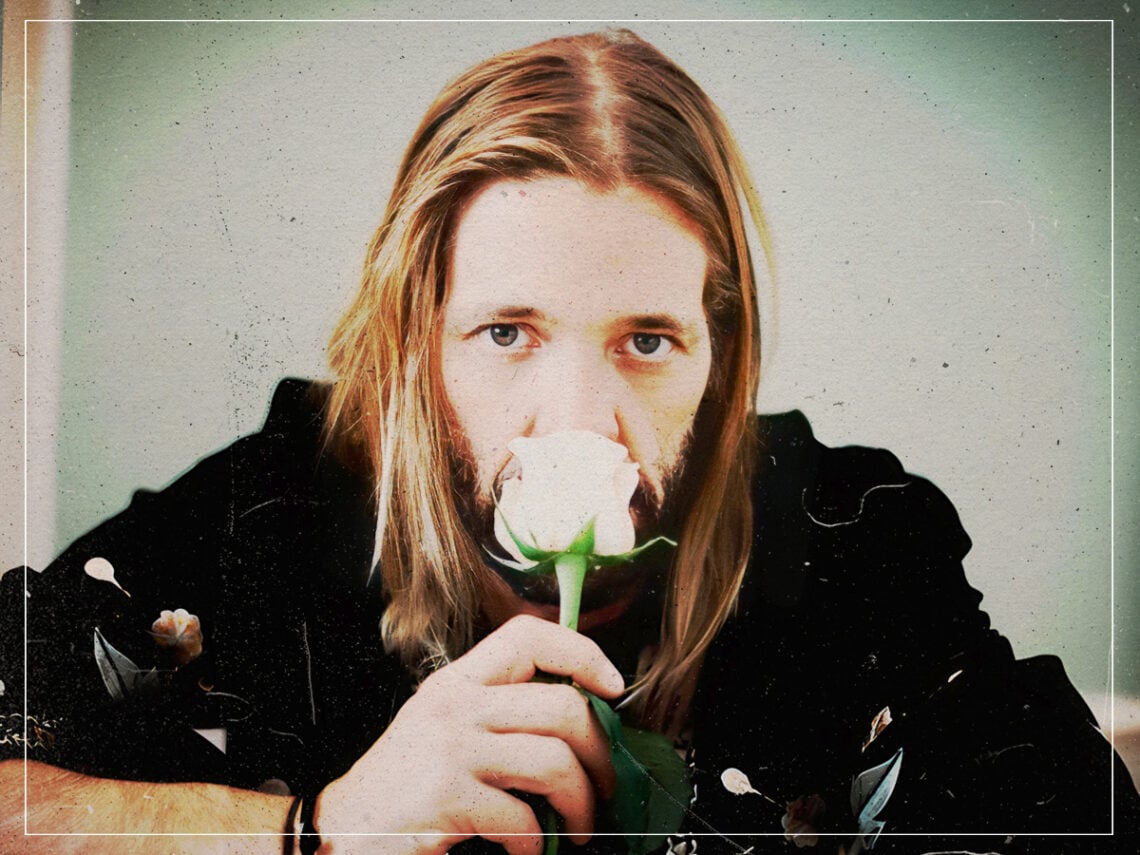
Later in the film, the late drummer, Taylor Hawkins, discussed his favourite song on the album as one of his favourite Grohl creations. “It’s just one of those songs that he came in with… So, I had this other one, and he plays ‘These Days’ all the way through. And I’m just like, ‘Oh really? That’s another one? ‘Cause that’s the best song you’ve written almost ever.’”
In his appraisal, Hawkins conveyed his admiration through jocular envy. He and Grohl were extremely close and had the utmost respect for each other’s talents. As the singer, Grohl contributed most of the album’s lyrical ideas, including the enduring single, ‘These Days’. However, all five band members received writing credits on the entire album for their joint effort on some of the demos and final compositions.
