


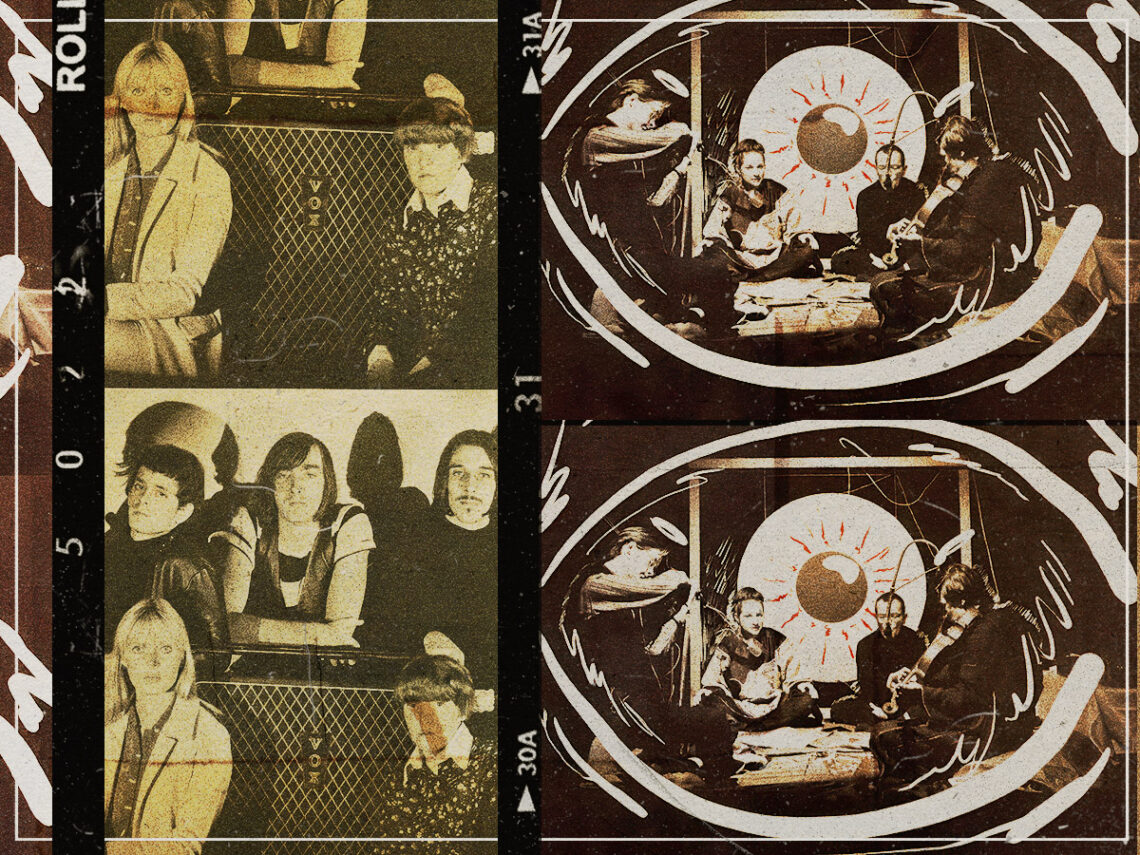
Fluxus, The Theatre of Eternal Music and the birth of The Velvet Underground

It is hard to comprehend how rock music would have developed without the existence of The Velvet Underground. The band emerged from the depths of New York’s avant-garde scene in the mid-1960s, known for their black wrap-around sunglasses and association with the iconic artist Andy Warhol, who became their manager and producer.
The Velvet Underground disregarded all convention, revelling in experimentalism and transgression. Although the band didn’t achieve commercial success during their tenure, their influence was ineffable. Pioneering sounds that would lead to the development of punk, noise rock and no-wave, The Velvet Underground’s brilliance was closely aligned with their involvement in the art world, with their interactions with other avant-garde artists undoubtedly inspiring their unique, boundary-pushing approach to music.
The band began after American singer and songwriter Lou Reed met kooky Welshman John Cale. The pair’s unique musical interests provided the perfect collection of influences to infuse into their own sound, cycling through a few different band names and members until they eventually became The Velvet Underground. However, the band’s history is so deeply rooted in the avant-garde art scene that it might not have come to fruition without the existence of Fluxus, an art collective founded by George Maciunas that focused on the process of performance.
Fluxus events were frequently staged in New York, fostering the talents of artists like La Monte Young and Yoko Ono, who was given her first solo exhibition by Maciunas at the AG Gallery in 1961. However, Young, inspired by his involvement with Fluxus, soon decided to start up an avant-garde musical collective, calling it Theatre of Eternal Music. Sometimes, the members would play all night, centring their practice around unconventional improvisation and drone techniques. If you were lucky enough to stumble on a performance by the Theatre of Eternal Music, you might have caught Cale in action, honing his experimental skills, which he would take with him into The Velvet Underground.
The group also featured Angus McLise, who sometimes wrote for the Fluxus newspaper, VTre. He was a good friend of Ben Vautier, an artist associated with Fluxus, who held the belief that “art must be new and bring a shock”. McLise was thoroughly embroiled in the avant-garde scene, and Cale found him to be the ideal man to join The Velvet Underground as their much-needed drummer.
Thus, with Cale and McLise forming half of the band, which also included Reed’s friend, Sterling Morrison, it was only natural that their music would stray far from convention. Inspired by Young’s approach to the Theatre of Eternal Music, Cale and McLise encouraged the use of droning sounds and unusual tunings, something that Reed also happened to be a fan of. The unification of these open-minded musicians appeared to be perfect, allowing for the creation of a sound that would transform music forever.
A member of the Theatre of Eternal Music, Tony Conrad, was even responsible for introducing the members to the mass-market paperback The Velvet Underground by Michael Leigh, which they decided was a well-suited name to accompany their debauched lyrics and unusual sound. McLise’s time with the band was short-lived – he was unreliable and often skipped rehearsals. In 1965, he became so enraged with the band for accepting gig payments that he quit. Still, he and Cale played a vital role in shaping the band’s sound, which would not have been possible without the pair’s immersion in New York’s experimental scene alongside Fluxus artists.
McLise was replaced by Moe Tucker, and The Velvet Underground’s classic lineup was finalised. That same year they were picked up by Warhol, who introduced the band to German chanteuse Nico, resulting in one of the most iconic and influential albums of all time – The Velvet Underground and Nico.
