


“That was scary”: the Fleetwood Mac member who hung out with Charles Manson

In 1969, there was no better place for an ambitious musician to live than Los Angeles.
It was the epicentre of the counterculture movement, which blended bohemian with the glamorous social circles of the city’s elite, to make it a creative haven, perfect for a generation of newly enriched artists. Most of them made a base in the city’s dense Hollywood hills, namely Laurel Canyon, where they would practice the sort of lifestyle tranquillity that would make their rock and roll music so spirited.
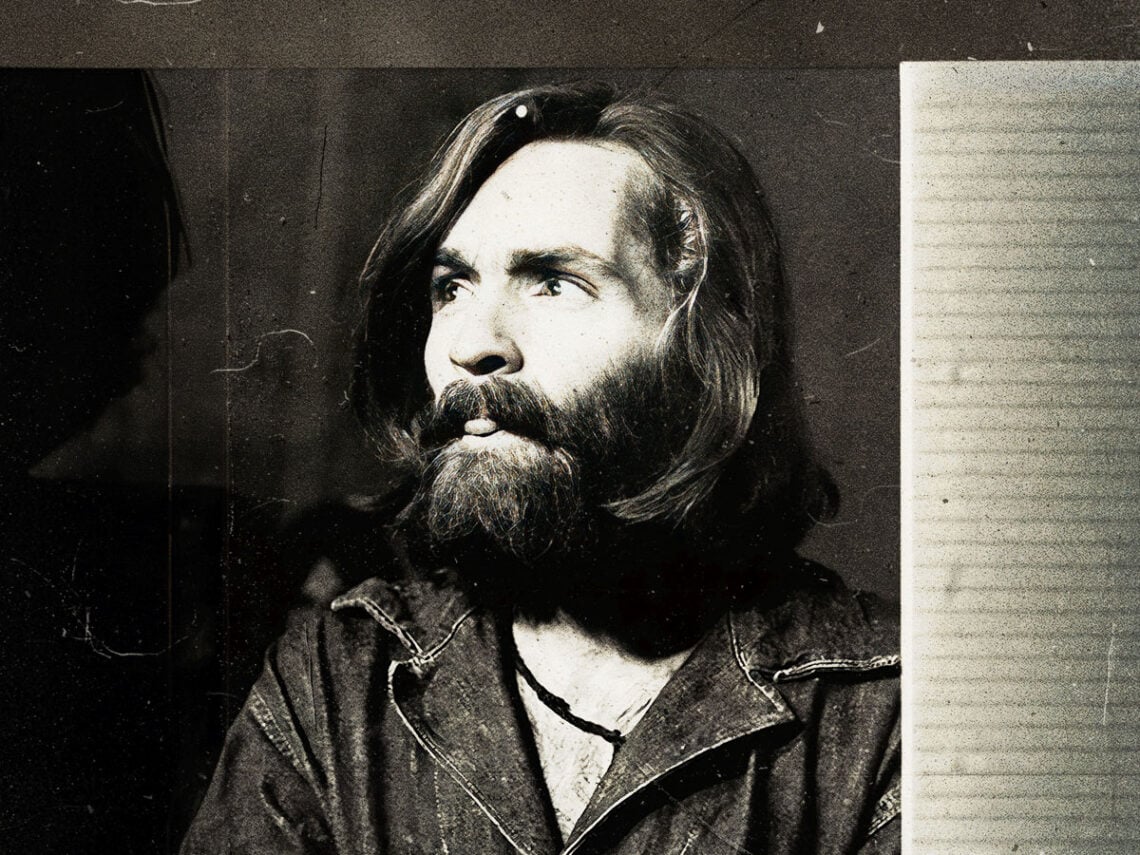
But that spirit had a dark underbelly, radicalised by the hippie movements’ most dangerous minds. Perhaps none come more famous than Charles Manson, the American criminal and cult leader whose ‘Manson Family’ in California committed the brutal Tate-LaBianca murders in 1969, which thrust the dangers of an LSD-induced life into question. How safe was this hippie movement after all?
Manson’s influence over his devotees was unquestionable, and a large proponent of that was how he wielded power within the social ladder of Hollywood. He leveraged several relationships with high-profile musicians, including Dennis Wilson and Neil Young. But it was former Fleetwood Mac guitarist Billy Burnette, who got as close to Manson’s inside circle as anyone, seeing the chilling behaviour of his cult leadership first hand.
“God, that was scary,” he said, remembering the days spent on his ranch. “We had no idea what was happening there. There was nothing in the press about it yet. They put me on a horse and went, ‘This is Tex Watson’s horse.’ The horse ran up to the hills, and I got all scratched up from the tree branches.”
Adding, “It was a nightmare. I’ve been scared of horses ever since then. I drove my dad’s Lotus Europa out there. They wrote ‘Pig’ on it in dust. They were telling me to get out of the machine and come join their group out there. I wasn’t interested. The whole thing was just really scary.”
Burnette joined Fleetwood Mac in the mid 1980s, and was merely a teenager with musical ambitions in the mid 1960s. But following his dad’s lead, who worked in the music industry and fell under the same counterculture spell as many of his contemporaries, found himself in the eye of the Manson storm and wound up meeting the criminal face to face.
He recalled, “I met him a couple of times – one time, I was hitchhiking… My folks lived in Woodland Hills, and I used to hitchhike to the beach all the time with my guitar, he picked us up one day and gave us a ride home from Topanga Beach. Also, my dad knew Terry Melcher. We knew a lot of people after the story broke who were involved with it.”
It was Melcher who ultimately led Manson to the Tates’ house, for he rented it prior to the actress and Manson used it as a target, after Melcher, a music producer, rejected Manson’s pursuit of becoming a musician.
Ultimately, it shows how tightly linked he was to the music industry in 1969, which was experiencing its cultural heyday, but at what cost?
