


Five Wings songs that could be on Beatles albums

Paul McCartney’s post-Beatles discography has been critically reviled, revived, reconsidered, renowned, and then reviled again, on repeat, as each new generation takes its turn deciding whether Macca completely lost the plot in the ‘70s or merely snuck his genius into a deceptively easy-listening package.
In the case of Wings, in particular, it would be completely reasonable to assume that McCartney was dead set on creating a band with no discernible connective tissue to The Beatles; a clean break to prevent restrictive comparisons to the Fabs and to signify his own independence from the John Lennon songwriting partnership. If Paul was thinking that, it was way subconsciously, though, because he certainly wasn’t acting like it. In fact, after releasing his second solo album, RAM, in 1971, he approached the idea of starting a new band not with the goal of creating a more controllable sort of ‘anti-Beatles’ but by essentially following the same methods he had as a teenager in Liverpool.
“The thing with Wings was, I thought, well, how did we do it in the Beatles?” McCartney told Guitar World in 2010, “How do you do a band? Well, you start with nothing, and you just learn, and you improve. I just wanted it to be, like, organic. I wasn’t interested in putting it together professionally. So that’s exactly what we were. We were just a bunch of strolling musicians struggling.”
If you’ve just spent more than a decade as a member of a hit-making factory with three other all-time great pop musicians, it’s very hard to have the patience to let something new evolve organically. As such, McCartney admittedly rushed Wings into their first record, 1971’s Wild Life, hoping to catch lightning in a bottle by loosely chugging along through the band’s sessions at Abbey Road, laying down nearly half the songs in one take.
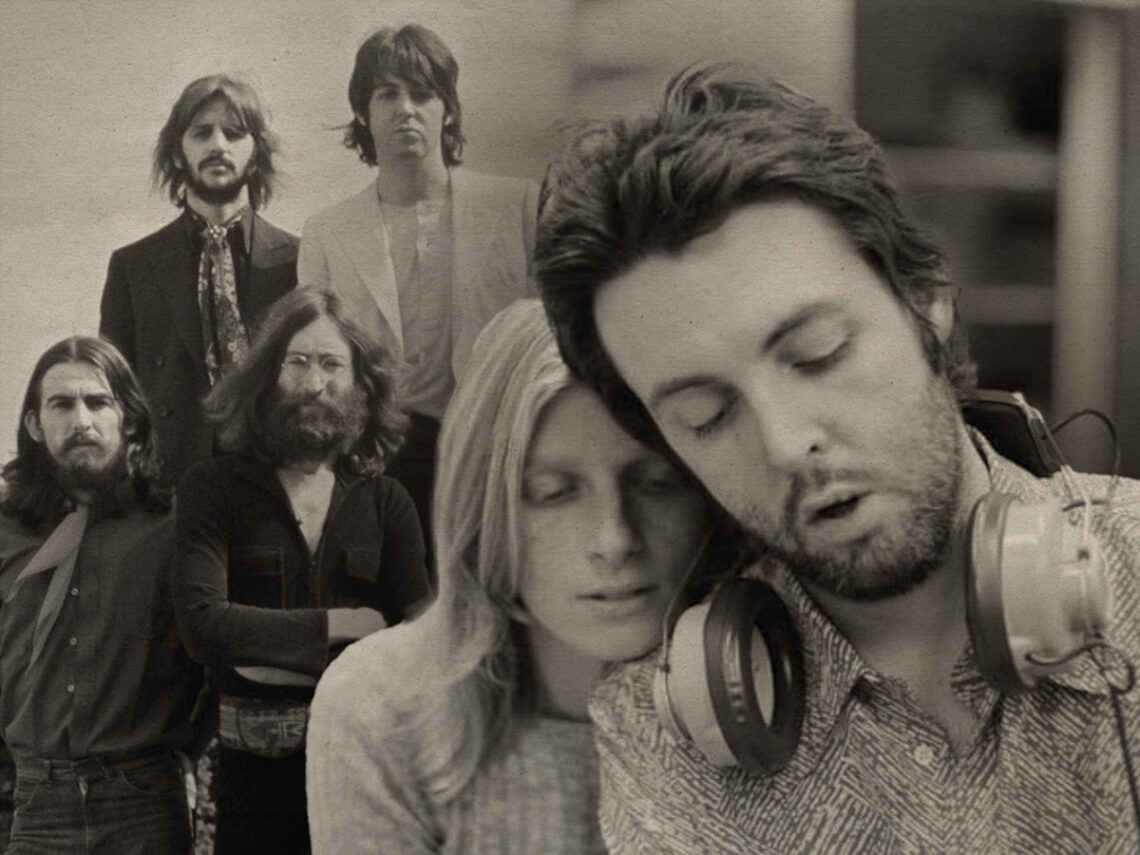
John Lennon, George Harrison, and Ringo Starr had been replaced by Paul’s wife Linda McCartney, Moody Blues guitarist Denny Laine, and drummer Denny Seiwell, and the material was relatively fresh, with only some leftovers from Ram; none from The Beatles’ days. The response, even from fans who’d loyally stuck with McCartney through the polarising Ram, was fairly flat, with many people turned off by Paul’s ongoing fascination with silly throw-away nonsense songs like ‘Bip Bop’.

At the time, McCartney was a tad defensive, saying, “I think what has happened is rock and roll has become so esteemed. I mean, people study the shit in university! Well, when we started, nobody did, and a record like Link Wray’s ‘Rumble’ didn’t have to have any significance other than it was just a red-hot record.”
It wasn’t so much that people had no room for cute nonsense in general, though; it was that they had an expectation of what Paul McCartney was capable of, and they were only getting occasional hints that he was still willing or able to plumb the depths in the way he had with Lennon breathing down his neck.

To make matters worse, Lennon had turned from a friend to a full-on foe by this point, having famously eviscerated McCartney on the diss track ‘How Do You Sleep’, in which he suggests that Paul had lucked out by writing ‘Yesterday’ and hadn’t managed anything else of much merit.
Under these circumstances, it’s not so surprising that Wings’ material continued to move further and further away from any sort of recognisable Beatle DNA as the ‘70s continued. There were still the occasional moments, however, where one couldn’t help but hear a certain guitar lick or bit of harmony in a Beatley context, imagining what John might have added to the energy of the song or how George might have given it a different tone, and sometimes, there were Wings songs that sounded like they could have fit nicely onto the White Album or Abbey Road. In other cases, a song felt like it might have served as the perfect excuse for a mid ‘70s reunion, capturing the changing sensibilities of the ex-Beatles in their mid 30s.
Here is a selection of five such Wings tracks that could have, or should have, been on Beatles records, or which already are on Beatles records in various parallel dimensions.
Five Wings songs that could have been on Beatles records:
‘Wild Life’ (1971)
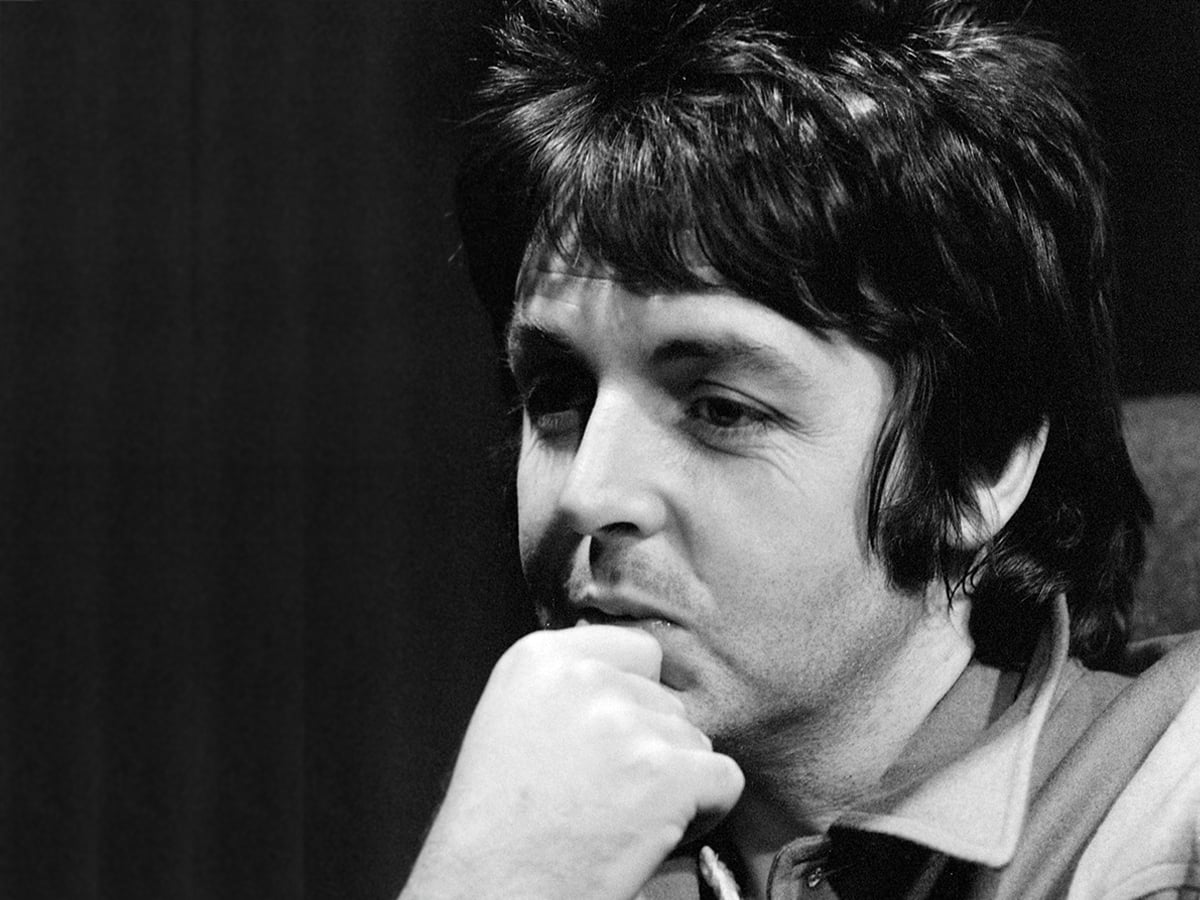
Wings’ maligned debut album feels a lot more than two years removed from Abbey Road, but the title track is arguably an overlooked gem on a record with no big or memorable hits. The tune isn’t all that catchy, but it’s a slow-burning and passionate anthem, with Macca’s lead vocal admirably going to some raw and inspired places. It’s not that hard to imagine it transported to the Apple Corps rooftop concert.
‘Wild Life’ is vaguely about animal rights, a subject near and dear to both Paul and Linda, with lyrics like: “You’d better stop / There’s animals everywhere / And man is the top, an animal too / And, man, you just gotta care”.
“[Wings] didn’t stand up for millions of causes and stuff,” Paul later said, according to the book The Beatles: Off the Record, Vol 2, “But the first song we did [that said] something was ‘Wild Life’, and that just said that nature was all right. The wild state is a good state, so why are we getting rid of it? Let’s not. The animals are in zoos, instead of just running, like they are supposed to. Once I was in a game park in Africa, just doing the tour through, and there was a big sign at the entrance, and it said, ‘All you people in motor cars, remember the animals have the right of way’. I liked that. I like that somewhere the animals have a right of way over you.”
‘Tomorrow’ (1971)

Obviously, any song identified loosely as a sequel to ‘Yesterday’ would make sense as a lost Beatles song. ‘Tomorrow’ also appears on Wild Life, automatically making it another deep cut from the Wings catalogue. This song ain’t no ‘Yesterday’, to be clear, and its relative dullness helps explain why it eventually became a minor hit for David Cassidy a few years later.
Still, if this exercise is about imagining Wings songs recast as viable Beatles songs, ‘Tomorrow’ certainly had the potential to be something more. Paul defended the song, weirdly, by telling Rolling Stone in 1974 that even Picasso’s “lesser moments” are interesting.
Paul’s father-in-law, Lee Eastman, was a big fan of ‘Tomorrow’, and encouraged McCartney to re-record it years later, ideally at a much slower pace for more powerful effect. There were rumours that Paul attempted to do just that during some recording sessions with Diana Krall in 2011, but as far as we’re aware, no updated version of ‘Tomorrow’ has yet surfaced.
‘Let Me Roll It’ (1973)
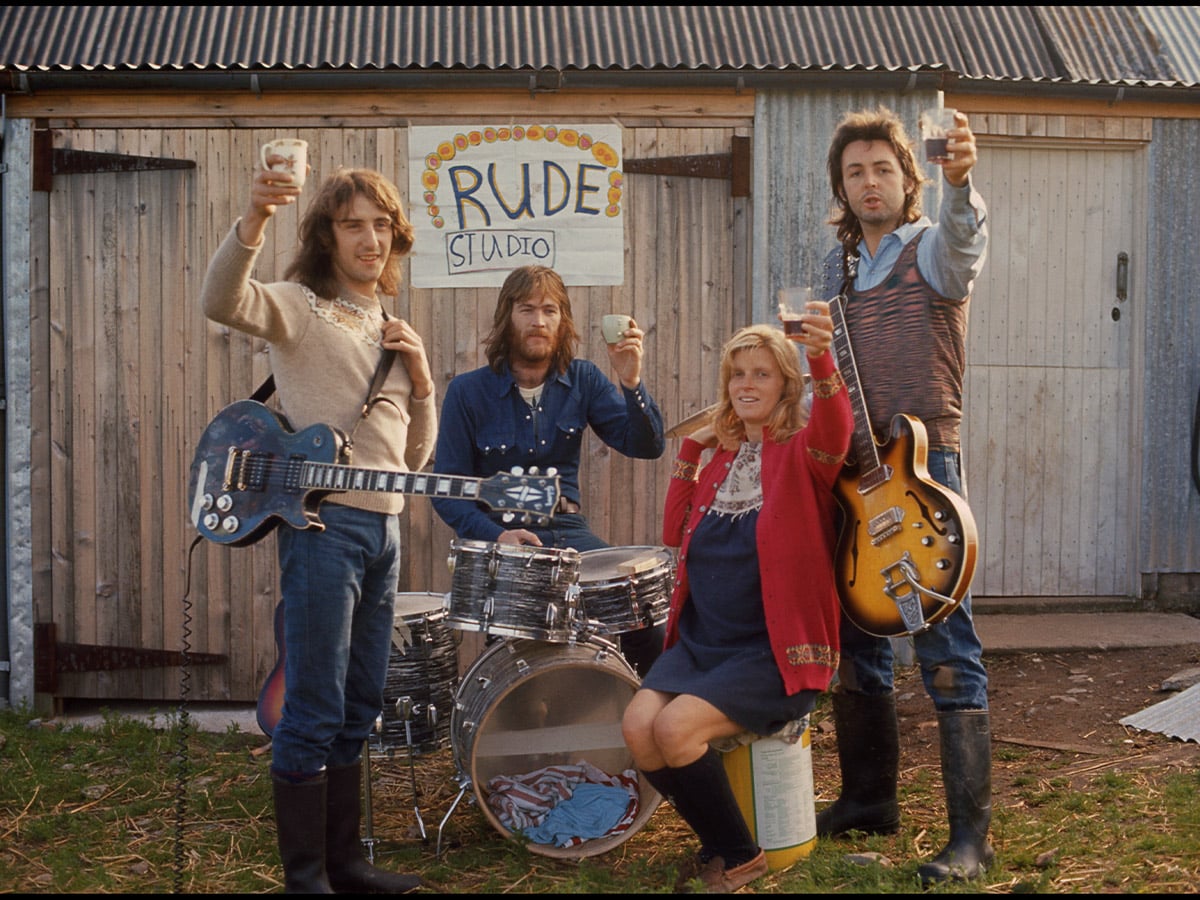
This track from Wings’ biggest album, 1973’s Band on the Run, is arguably the most Beatlesque track the band ever recorded, but in an odd way, Paul doesn’t sound like a vintage version of himself, but far more like an intentional piss-taking copycat of John Lennon’s early solo material, complete with the double-tracked lead vocal.
The organ-driven blues-rock jam also includes a very strong Lennon-ish guitar lick. It’s a great song, really, a Lennon ‘tribute’ handled by the man who knew him best, if you choose to consider it a tribute.
“‘Let Me Roll It’ was not really a Lennon pastiche, although my use of tape echo did sound more like John than me,” McCartney confessed in a 1994 edition of his fan magazine Club Sandwich, “But tape echo was not John’s exclusive territory! And you have to remember that, despite the myth, there was a lot of commonality between us in the way that we thought and the way that we worked.”
‘Letting Go’ (1975)
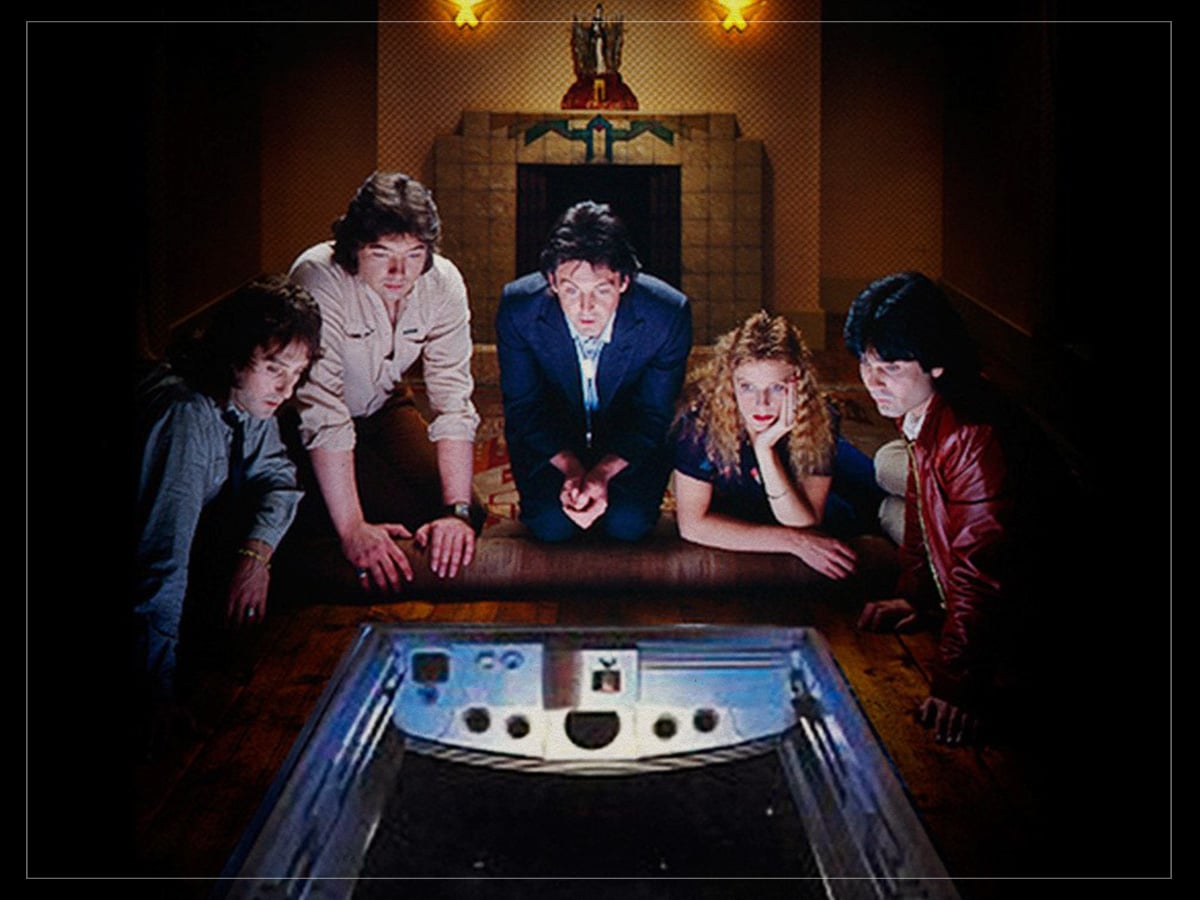
From the album Venus and Mars, the single ‘Letting Go’ is another one of Paul’s odes to his wife, and during a time when Wings’ material was increasingly reflecting the more vanilla corners of the ‘70s pop landscape, this track feels notably darker and ‘cooler’ in a way that harked back a little bit to the White Album days.
“It’s a funky little riff,” Paul said years later, effectively undercutting that coolness, but the funky part is actually the accompanying horn section.
The Beatles certainly knew how to deploy a good horn part here or there, but they never quite went full blood, sweat and tears in the way ‘Letting Go’ does, and it would have been quite interesting to hear this composition floated backwards into a mid-album cut on Abbey Road or Let It Be.
‘London Town’ (1978)

Finally, since ‘Yesterday’ deserved its sequel in ‘Tomorrow’, it makes sense to give ‘Penny Lane’ a bookend with one of McCartney’s better Wings-era ‘place songs’. ‘London Town’ is the title track from the 1978 album of the same name, and while it’s an easy-going AM radio ‘70s tune, it has an old-fashioned perspective that certainly stands in stark contrast to other London songs of the period, that is, ‘Werewolves of London’ or ‘London Calling’.
This version of London is kind of quaint, a bit unkempt but charming: “Walking down the sidewalk on a purple afternoon / I was accosted by a barker playing a simple tune / Upon his flute – toot toot toot toot”.
Were there still flute-tooting barkers bothering former Beatles on the Portobello Road at this point? Possibly. But Paul actually wrote much of the song while he was on tour in Australia, tapping into his usual nostalgic whimsy rather than concrete observations. Maybe John, George and Ringo could have offered him a hand in giving ‘London Town’ a little more depth and heft, an extra ounce of social commentary, or maybe this song, like a lot of Wings songs, stands as proof that Paul needed to go in his own direction. The Beatles were the Beatles, Wings were Wings, and never the twain shall meet.

Never Miss A Beat
The Far Out Beatles Newsletter
All the latest stories about The Beatles from the independent voice of culture.
Straight to your inbox.