


‘We Buy White Albums’: the art project that distorted how people experience a Beatles classic

You don’t need to ask a Beatles fan if they’ve ever listened to The White Album. Any Fab Four aficionado would know the record like the back of their hand and be able to tell you about every little detail that it has to offer on account of the fact that they’ve listened to it hundreds, if not thousands of times.
Many also remember exactly where they were when they first heard this landmark release in rock history, and it’s probably fair to say that plenty of them also long for the opportunity to hear it again for the first time. Remasters promise the experience of being able to hear The White Album like you’ve never heard it before, and while that’s not exactly untrue, it’s only minor tweaks to the mixing and mastering of a record, bringing elements that were previously buried into much clearer focus with the aid of modern technology.
But what if I told you that there is a way to experience The White Album like never before, that said experience would feel akin to discovering it for the first time again, and that as part of the experience, you could hear it another 100 times all at once?
Thanks to a fascination that started at the age of 15 after he acquired his first copy of the album at a yard sale, American-Taiwanese artist Rutherford Chang created a collection of works that attempted tell an alternative history of the iconic album from the perspective of those who had listened to it, cherished it, and ultimately had their own unique experiences listening to it, rather than as a straightforward assessment of its original creative process and its subsequent cultural impact.
We Buy White Albums was the name given to the ongoing project that Chang set up to amass the largest possible collection of first edition vinyl copies of the album, some purchased as a result of obsessive digging, and some donated as a gesture of goodwill in the name of art. But why The White Album, and not any other record from history?
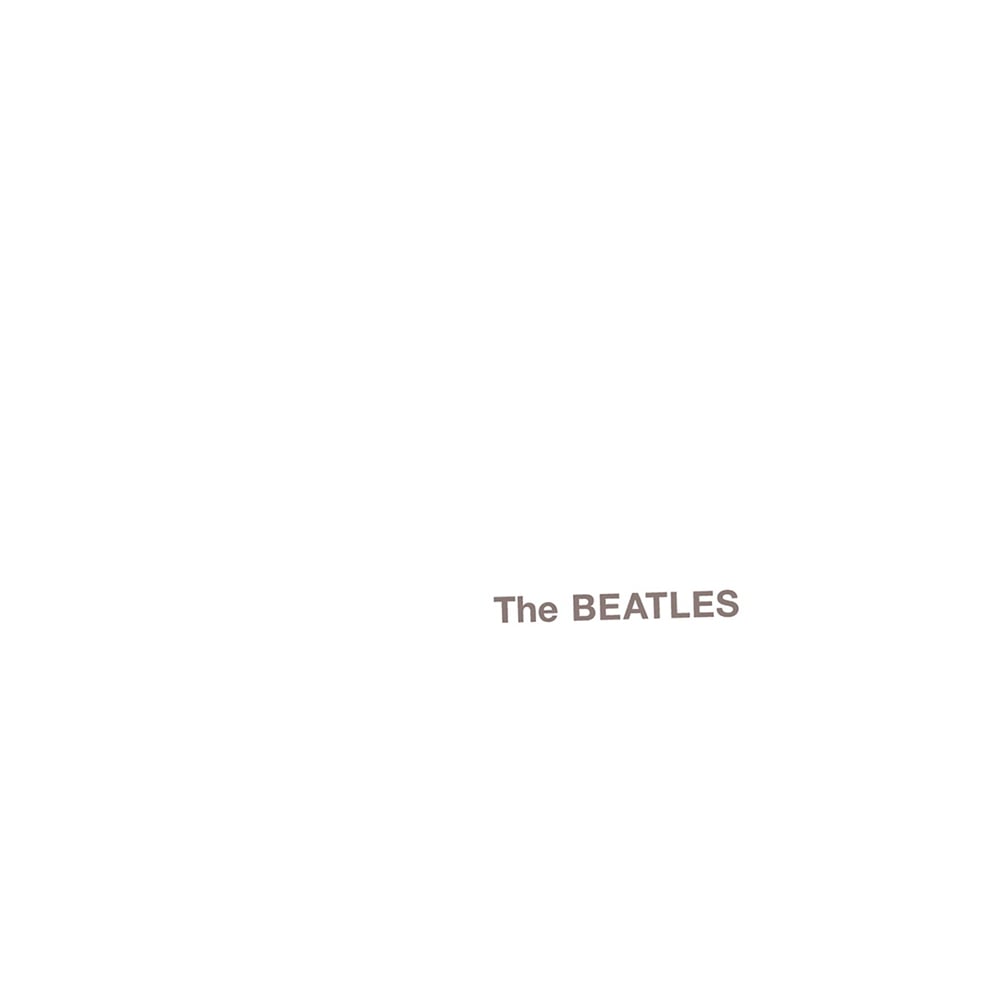
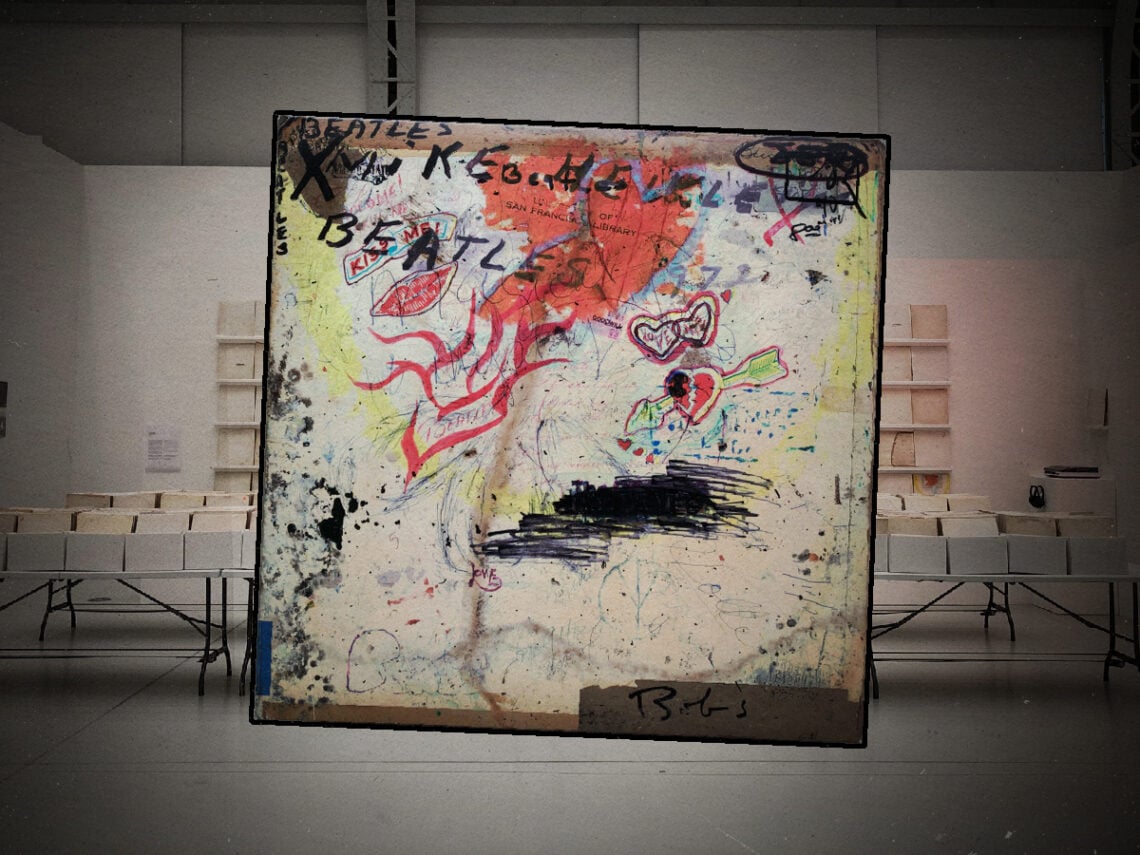
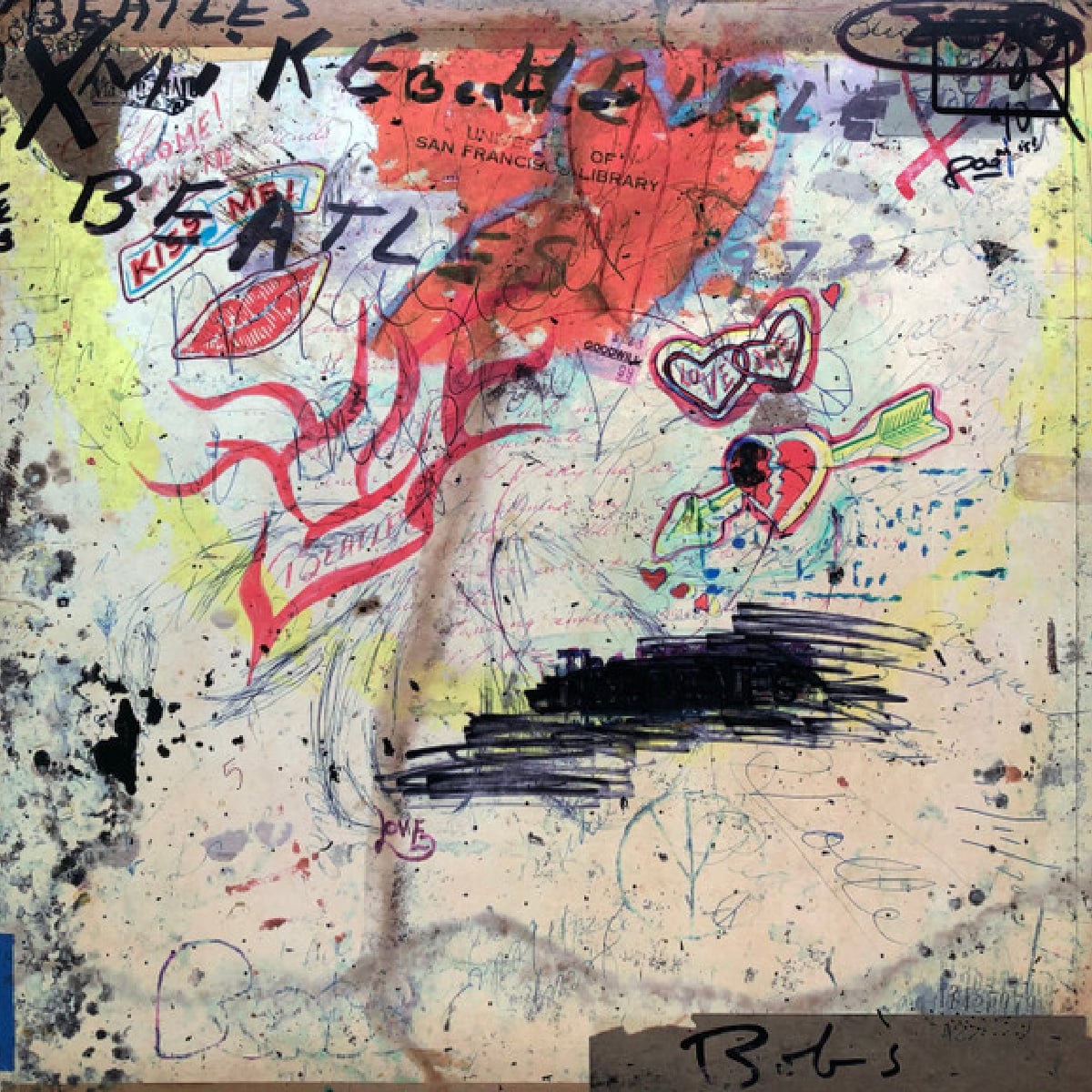
While its plain white sleeve with only the name of the band embossed on the cover might seem super ordinary, the fact that the album came out in 1968 means that many have plenty of wear and tear, which shows up significantly more on the dazzlingly bright and uncluttered design. That’s also not to mention that many previous owners chose to customise their copies with drawings, engravings, collages and coffee rings, giving each individual copy that he acquired its own distinct personality that tells a story of the previous owner.
Chang recognised the fact that there were quirks in every single copy from the pressing, and in his efforts to claim as many of the numbered copies as possible, chose to display them at an exhibition in SoHo, New York, in early 2013, with them all arranged on shelves and in crates akin to how a record store would be set up. “I got into collecting multiple White Albums because every copy tells a story,” he told Dust and Grooves shortly after the exhibition opened. “Each one has aged uniquely over the course of the last half-decade. The pressings from 1968 were numbered, implying that it is a limited edition, although one running is in excess of three million.”
However, as impressive as the feat of collecting almost 700 copies of the album in time for the installation was, the arguably more fascinating aspect of the exhibition came in the form of its finale, when Chang chose to record 100 of his acquired copies playing on a turntable, overlayed them, and then released a limited run of these recordings playing simultaneously as an auditory representation of his work.
Sometimes referred to as The White Album x 100, The White Album, or by the same name as the exhibition, We Buy White Albums distorts The Beatles’ classic double LP in ways that make you question how well-accustomed you are to the actual source material, providing the listener with what is ultimately a unique listening experience that sounds alien when compared to the original.
But how different can 100 original copies of The White Album being played simultaneously sound, though? While album opener ‘Back in the USSR’ doesn’t sound dramatically different, and is simply a beefed-up iteration of the song we all know and love, the decay begins to noticeably kick in at the start of ‘Dear Prudence’, with the warped wax starting to fall out of sync and creating extra reverberation to give it an ethereal texture.
You’d think that each side would start in the same manner, with there being a reasonable degree of consistency, but while ‘Martha My Dear’ and ‘Revolution 1’ retain most elements of their original sound, side C opener ‘Birthday’ is immediately fucked up, with the guitars playing a game of call and response that almost sounds correct.
By the end of each side of vinyl, more and more copies have become distorted and lost track of where they’re meant to be, meaning that we’re treated to nightmarish versions of tracks like ‘Happiness is a Warm Gun’ that bear little resemblance to what we might be used to hearing. Cacophonous walls of noise start to become the centre of your focus, songs develop new transitions as a result of their desynchronisation, with some tracks bleeding into one another, and all the while, you have to remind yourself that at its core, this is still The White Album.
While some songs become increasingly deranged, such as ‘Helter Skelter’ and its frantic proto-metal stylings getting increasingly abrasive, or ‘Rocky Raccoon’ opening with what sounds like a group of Paul McCartneys calling an auction, the mellower songs become more blissful, with ‘Blackbird’ and ‘Long Long Long’ being two psychedelic sound baths that dial up the levels of tranquility.
After a certain point, you come to the realisation that hearing The White Album will never feel the same again. ‘Revolution 9’ is more horrifying than ever before, ‘Ob-La-Di, Ob-La-Da’ actually begins to sound like a half-decent song, and the music hall pastiche of ‘Honey Pie’ transforms into an outtake from The Caretaker’s dementia-themed sound art project, Everywhere at the End of Time as it disintegrates into something that feels like the remnants of a hazy memory trying to be pieced together.
Chang’s obsession with The White Album ultimately went so far as to completely distort everything fans once thought they knew about The Beatles’ classic album, and highlights just how much no two people’s experiences of immersing themselves in an album will ever be the same. How we appreciate the music we hear, how we treat the product we own, and how we devote ourselves to something we have an attachment to is always going to be unique, and We Buy White Albums is, in itself, a truly unique representation of this experience.
The final number of copies of The White Album amassed by Chang stood just shy of 3,500 – almost five times the amount that were on display at the 2013 exhibition. While it would have been wonderful to see him continue his labour of love further, his unexpected passing in 2025 at the age of 45 meant that in 30 years, he’d managed to get his hands on just over 0.001% of the first pressings to exist.
He may have been celebrated for other bizarre feats of obsessive collecting, with innocent acts of gathering fruit stickers and hotel stationery as a child evolving into melting 10,000 pennies into a cube or posting thousands of attempts to break the high-score for the Game Boy edition of Tetris to YouTube, but as far as works of art that combined his interests with telling a new story to those who share the same obsession go, We Buy White Albums was perhaps his greatest achievement.

Never Miss A Beat
The Far Out Beatles Newsletter
All the latest stories about The Beatles from the independent voice of culture.
Straight to your inbox.