


Five unlikely TV shows that changed the industry forever

Just like the world of cinema, life behind the small screen of television relies on a few ingenious concepts being rolled out time and time again until a fresh new idea comes around. At the moment, it seems as though TV is just coming off an obsession with true crime drama, while cinema meddles with whether audiences are even interested in superheroes anymore.
But, when it comes to finding the pioneers who got TV into such a vibrant place, it becomes a little tricky to untangle classic series from the small-screen minnows who invented a brand-new form of entertainment. For example, while something like Trey Parker and Matt Stone’s seminal South Park series is celebrated on its own terms, there’s no doubt that it couldn’t have existed without the influence of Matt Groening’s Simpsons.
Elsewhere, crossing industries for just a moment, George R. R. Martin’s epic fantasy series Game of Thrones, which seized the attention of the world from 2011 to 2019, could have never come to light without Peter Jackson first proving that grand tales of swords, sorcery and dragons could be marketed to the masses with his seminal Lord of the Rings trilogy.
Explore below five other examples of unlikely small-screen successes that forever changed the world of TV and cinema.
Five shows that forever changed TV:
Beverly Hills, 90210 (1990-2000)
Dismiss the young adult show Beverly Hills, 90210 at your peril, for it opened the door to an entirely new genre of TV production in the modern era. A coming-of-age series about a group of friends living in Beverly Hills, California, 90210 was one of the first shows to present its target audience with exactly the same issues that they were facing as teenagers and young adults, dealing with issues of sex, alcohol and the general trials and tribulations of adolescence.
Creating a whole host of young, burgeoning actors, it should go without saying that Beverly Hills, 90210 paved the way for such modern successes as One Tree Hill, Skins and HBO’s Euphoria, with each show producing a crop of new talent off their own backs.
Days Of Our Lives (1965-)
The TV soap is, and has always been, one of the greatest hits of small-screen entertainment, allowing escapism into the larger-than-life lives that swell with drama and chaos. The American 1965 series Days of Our Lives was one of the very first shows to do this, telling the story of love, loss and crime in the fictional city of Salem across the course of a staggering 14,800 episodes and counting.
The show would lead to such modern soaps as Neighbours and Eastenders, with the success and melodrama of such shows going on to inspire some of contemporary television’s greatest dramas, from Breaking Bad to Succession. It all goes back to Days Of Our Lives.
Dragnet (1951-1959)
One of the most popular sub-genres of TV drama is the police procedural, with every celebrated contemporary show of its kind coming as the result of the success of 1951’s Dragnet. A crime show with over 250 episodes that followed Sgt. Joe Friday is investigating seemingly endless grisly grimes in Los Angeles, and the hit show paved the way for a brand new kind of TV drama.
Eight series and over 200 episodes was no joke for the 1950s, and TV studios were soon to catch on to the show’s winning formula, with such modern hits as Luther, Line of Duty, CSI and many more owing their existence to the lesser-known Dragnet.
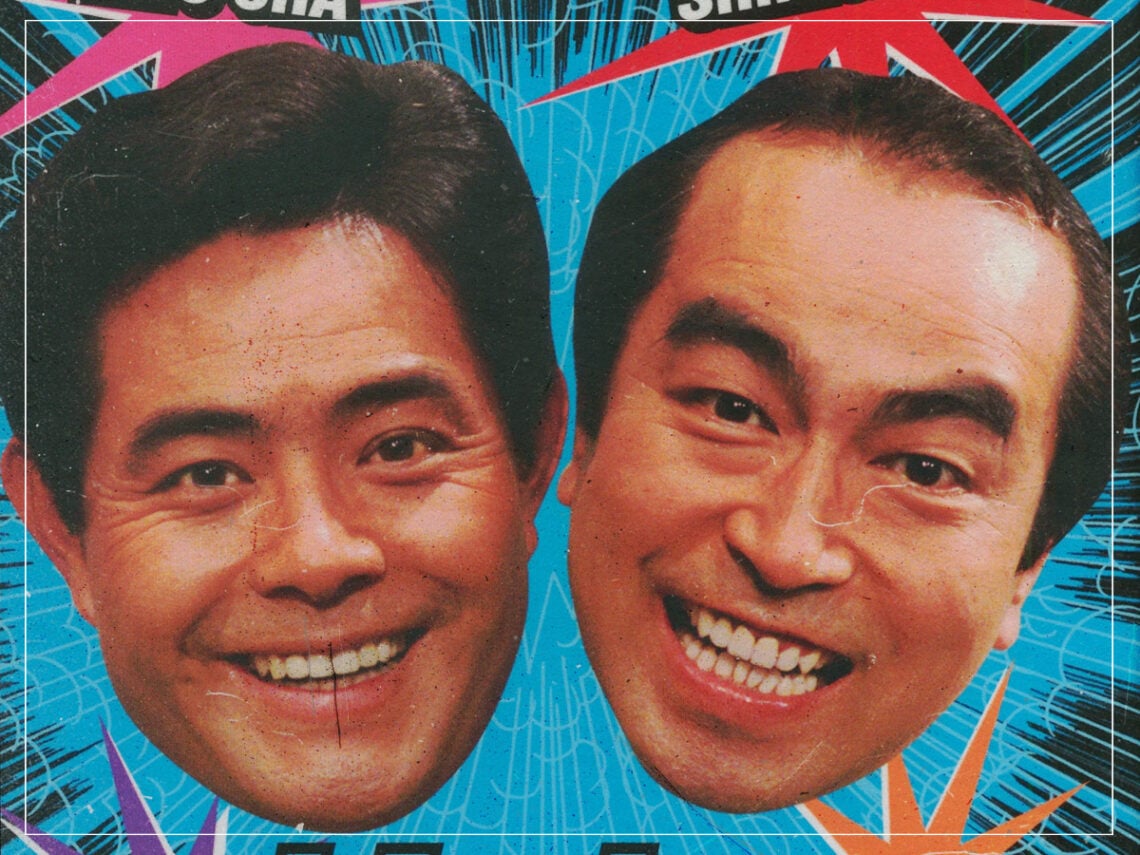
Kato-chan Ken-chan Gokigen TV (1986-1992)
Sadly, the idea of mindlessly scrolling from one video to the next on TikTok is pretty commonplace in today’s world but cast your mind back 20 or so years, and this process used to happen on our TVs. In the UK, there was You’ve Been Framed and in the USA, there was America’s Funniest Home Videos, but before both of them, there was Japan’s Kato-chan Ken-chan Gokigen TV.
The surreal Japanese show featured the very first example of viewer-submitted home videos, prophesying the rise of YouTube in the new millennium and TikTok many years later. Such short-form videos have inextricably changed not only how TV is made, but also consumed by audiences.
The Up Series (1964-)
Many people argue that 1973’s An American Family was the world’s first reality TV show. But, if reality TV provides audiences with a genuine glimpse into the realities of lives that are not their own in an entertaining format, then the Up documentary series was the pioneer, presenting the changing lives of 14 British children from youth to adolescence to adulthood, with each episode being released seven years apart.
A seminal documentary, the Up Series demonstrated the potential power of reality TV while also showing how the medium could be used as a tool for good, being an expression of genuine goodwill and philosophical importance. As the great Roger Ebert said about the show: “No other film I have ever seen does a better job of illustrating the mysterious and haunting way in which the cinema bridges time. The movies themselves play with time, condensing days or years into minutes or hours”.
