


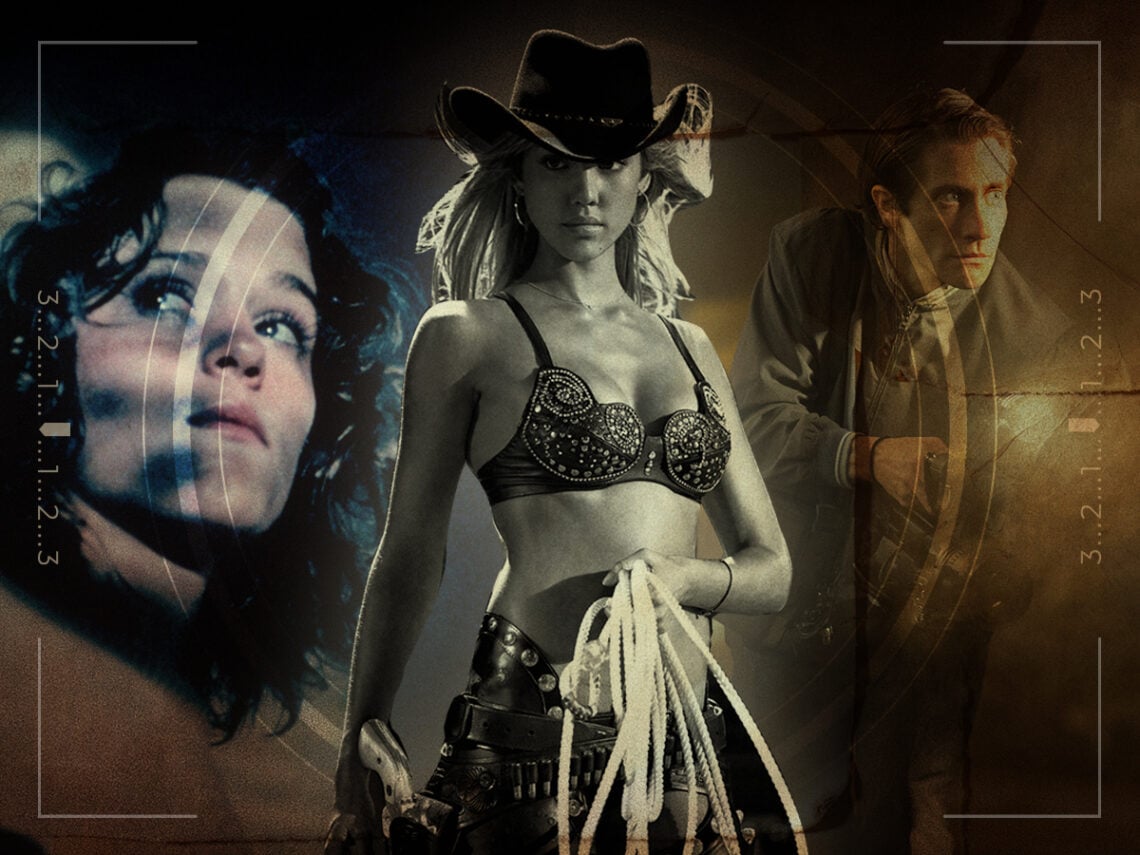
Five textbook neo-noir movies to see before you die

Film noir took the world by storm in the 1940s, with movies like Double Indemnity, The Big Sleep, and The Maltese Falcon setting in stone many of the conventions we still strongly associate with the decade today. Grizzled detective, scheming seductresses, rain-drenched monochrome cities, it’s all here, and it still fascinates film fans to this day. But what about the updated version? What about the fascinating world of neo-noir?
A phrase coined in the late 1970s/early 1980s, neo-noir refers to films that, while embodying many of the traits of a classic noir, have been adapted for a modern setting. The influence of directors like Otto Preminger and Billy Wilder has been felt in movies for decades, with these five being prime examples.
Think of this as a very, very brief overview of the genre. This is by no means a definitive list or a collection of the ‘best’ neo-noir movies ever made, but rather a selection that will give newbies a nice, broad sense of what it’s all about.
From the mid-1970s right up to the present day, this list covers how the genre has evolved and changed over the decades while staying true to its roots. Light up your cigarettes and pull your hat low over your face—it’s time to get moody.
Five textbook neo-noir movies:
Chinatown – Roman Polanski (1974)

If you’re looking for a neo-noir movie that tightly follows the tenets of the original genre, then look no further than Chinatown. Directed by awful man Roman Polanski, the film follows JJ ‘Jake’ Gittes (Jack Nicholson), a private detective hired by the beautiful Evelyn Mulwray (Faye Dunaway) to follow her husband. This classic noir set-up snowballs into a plot involving California’s water supply, bringing Jake face-to-face with evil business tycoon Noah Cross (John Huston) and a dastardly plot that he must foil.
Even if you’ve never seen a noir movie in your life, you can recognise how many of its tropes are packed into that description: A detective, a mysterious woman, a plot that grows in size and scope as the movie unfurls. You couldn’t have asked for a better premise. Calling Chinatown a ‘neo’ noir seems a bit silly, given that it was released only a decade or so after the genre’s first peak, but it’s important to state how out-of-fashion movies like this were at the time. Chinatown brought this style of story back into public imagination. Without its success, the neo-noir genre might have been dead in the water.
Blood Simple – Ethan and Joel Coen (1984)

The Coen brothers are clearly big noir fans. Their 2001 film The Man Who Wasn’t There is a clear homage to the classics of the genre, with George Clooney heavily channelling the spirit of Humphrey Bogart throughout. Then there’s Fargo, which doesn’t appear to be a noir on the surface but has been called so by many reputable sources. To understand Joel and Ethan’s obsession, one only has to look at the very first feature film they wrote together—1984’s Blood Simple.
Starring actor and Joel’s wife Frances McDormand as Abby, the film explores the consequences of her affair with a bartender named Ray (John Getz) and what happens when her husband (Dan Hedaya) finds out. A love triangle is a classic staple of the noir genre, but this one plays out from the point-of-view of the unfaithful party. McDormand is fantastic in the role, and the late M Emmet Walsh gives a suitably creepy performance as the private detective hired to sniff her out. Blood Simple isn’t just worth watching for its noir credentials but also to see where it all began for two of the most important cinematic figures of the past four decades.
Sin City – Robert Rodriguez and Frank Miller (2005)

Based on a series of comic books by Frank Miller, the first Sin City movie is so noir-coded that it’s almost a joke. The film is divided into various segments, each one following the lives of a citizen of the titular grubby settlement. The cast is absolutely ridiculous; Bruce Willis is an ageing cop; Jessica Alba is a beautiful damsel in distress; Mickey Rourke is a tough guy seeking revenge; Josh Hartnett is a mysterious figure who somehow connects the different characters together. Think of it as a charcuterie board of noir tropes.
One of the benefits of neo-noir over its predecessor is cinema’s changing attitudes towards violence and taboo. Back in the ’40s, society was in a very different place. People got shot and had affairs, but it’s all embarrassingly tame by today’s standards. Sin City goes a long way in rectifying that. This is a much darker take on the genre—more blood, more horrors, more things that would have made the average cinemagoer in the ’40s faint with shock. Miller is known for not pulling punches in his work; this adaptation is no exception. Not one for a family movie night.
Nightcrawler – Dan Gilroy (2014)

Noir isn’t just about scarred war veterans plying their trade as a cop-for-hire. Ordinary people getting wound up in trouble is just as common, including in more modern interpretations. Case in point: 2014’s Nightcrawler. Jake Gyllenhaal stars as photographer Louis Bloom. He makes his money by selling pictures of late-night crime scenes to the local paper, but when work starts to dry up, he starts to get more involved than he should. As he delves deeper into the seedy underbelly of Los Angeles, his already shaky morality becomes increasingly corrupted.
Nightcrawler might not seem like it has much in common with classic noir on the surface, but its core principles line up perfectly. Bloom thinks he’s found a get-rich-quick scheme but ends up biting off more than he can chew. He ends up involving his unwilling love interest, Nina (Rene Russo), in his schemes, which complicates things further. Gyllenhaal initially strikes a perfect balance with Bloom, bringing enough sympathy to the character to get the audience on his side. However, as his actions become less and less forgivable, he morphs from a classic noir anti-hero into a full-in reprobate.
Holy Spider – Ali Abbasi (2022)

For our final look at how far noir has come since its inception, we’re leaving the familiar shores of America for a story set in the Iranian city of Mashhad. Holy Spider, which comes from The Apprentice director Ali Abbasi, centres on a journalist named Arezoo Rahimi (Zar Amir Ebrahimi). Rahimi comes to Mashhad in search of the ‘Spider Killer’, a mysterious murderer who has been targeting the city’s sex workers. The deeper she delves into the murky details, the more she understands about the killer’s twisted justification for these horrendous actions.
Abbasi, who faced allegations of inappropriate behaviour in 2025, makes films that always contain a level of satire or social commentary, and Holy Spider is no different. The neo-noir cover is actually a front for a movie about religion, misogyny, and attitudes towards sex in theocratic nations. It was banned in both Russia and Iran for its provocative content, which is usually a sign that a movie is doing something right. Holy Spider is a fabulous example of how noir has evolved with the times and how it can be used as a force for good in the modern world. It’s also damn entertaining, which certainly helps.
