


The difficult second album: Five sophomore records that caused bands to split

It’s incredibly rare that a band will form with the intention of only surviving for a short amount of time, and while it often takes a string of albums to be able to insert yourself into rock and roll history, some are fortunate enough to have secured a place after just a couple.
However, sometimes a couple of albums is all you’ll be afforded, whether that’s due to failing to meet your own expectations, failing to meet audience expectations, or failing to comprehend why the reception given to an album doesn’t align with what you thought it would receive, positive or negative. However, despite highlighting these possible reasons as a trilogy of failures, only releasing two albums does not automatically equate to wasted potential.
Quite often, when acts have such scant discographies, at least one of their albums is regarded as a classic to some degree, whether through achieving an overwhelming reception at the time of its release or gradually accruing a cult fanbase over time. In some cases, they’ve managed to release a perfect pair before calling it quits, or having the perils of the music industry become too tough to handle. Failing to reach album number three is simply the way destiny was mapped out for these bands, not an innate shortcoming.
From Young Marble Giants to Lauryn Hill, plenty of column inches are afforded to discussing acts that made a single solidarity album before dropping off the face of the planet, and why exactly their disappearances came to happen, but less is doled out to those that eked out a duo of discs before disbanding. Sure, they would have arguably had double the amount of time in the spotlight, but that doesn’t make the stories of how they met their demise any less interesting.
From the underwhelming to the exhausted, all the way through to the bona fide masterpieces, here are five instances of when a band’s second album proved to be the final straw that led to them breaking up.
Five sophomore records that caused bands to split:
Sugar – ‘File Under: Easy Listening’

While Hüsker Dü didn’t manage to last beyond a decade as a band, at least they were able to produce six stellar albums in the space of just four years from 1983 to 1987, reshaping punk and post-hardcore landscape, but arguably inspiring an entire generation of alternative rock and indie bands that followed. Frontman Bob Mould can look back with pride on this purple patch that defined the early part of his career, but the fact that he quickly sought to form a new project after their demise ought to tell you that he felt there was more left to be delivered.
However, while Sugar instantly impressed with Mould’s effortless knack for writing power pop hooks with crunching guitars underpinning them on their 1992 debut, Copper Blue, they struggled coming up with anything that felt worthy of following it up.
Initial sessions for what would become File Under: Easy Listening had to be scrapped entirely when Mould found himself profoundly affected by hearing of the death of fellow rock trailblazer Kurt Cobain, and while they collectively managed to scrape together enough on the second attempt, the members recognised that they needed the space to be able to devote themselves to other aspects of life. Sugar, only four months after the album’s release, decided it would be best to call it a day rather than forcing a third record.
Slint – ‘Spiderland’

“In ten years’ time, it will be a landmark, and you’ll have to scramble to buy a copy then. Beat the rush.” These are the words of the late Steve Albini, reviewing Slint’s second and final album, Spiderland, knowing that the band had already succumbed to the pressure that comes with being a band unable to find any meaningful success, while also struggling to cope with the mental impact that this can have. Barely of age at the time, these four kids from Louisville, Kentucky, had managed to create an album that moved one of the most notoriously curmudgeonly figures in music and create an album that would only ever rise in cult status the more time passed.
Their debut album, Tweez, which had been produced by Albini, was a modest record that made little impression outside of small circles of interest, and yet it didn’t deter them from making a masterpiece, filled with existential dread, a cold sense of isolation and desperation in the half-sung, half-spoken delivery of frontman Brian McMahan.
The interplay between his and David Pajo’s guitars on Spiderland coalesced like nothing that had come before it, deconstructing rock music as people knew it, while the off-kilter rhythms laid down by Todd Brashear and Britt Walford are some of the most labyrinthine of the era. Albini was right, it did become a landmark, and 35 years on, it remains that way, even while, unfortunately, the swan song for a mercurially talented outfit.
The Stone Roses – ‘Second Coming’
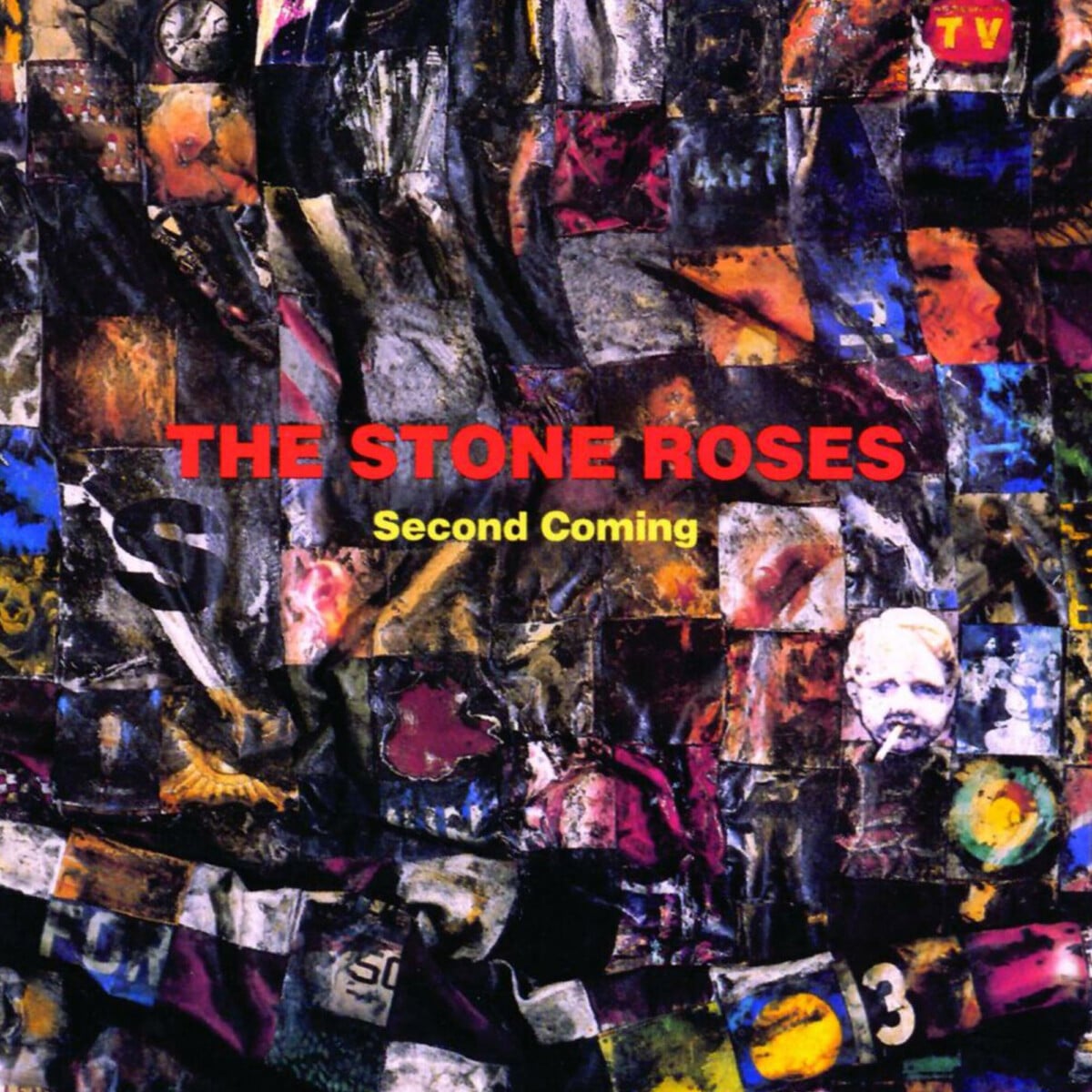
Perhaps the biggest outlier on this list in the sense that absolutely nobody is going to try and claim that they love it more than the debut, The Stone Roses’ Second Coming, is perhaps one of the biggest car crashes and falls from grace ever delivered when compared to how groundbreaking and culturally impactful its predecessor was. Given how their self-titled debut had almost singlehandedly remoulded indie music and led to the term Madchester being coined in reference to how they were spearheading a movement in their home city, to follow up with something as drab and uninspired as they did had to have been the sign of something going horribly amiss behind the scenes.
Crumbling under the weight of expectation, with the pressure of having to follow up an album that was almost unanimously regarded as flawless, the band took five and a half years labouring over their second album, but forgot to inject any of the panache that had gone into their debut. Every element of it feels like a slog, and the mindless drudgery of their pseudo-psychedelic meanderings wears thin after just a few songs.
Despite being the one member who had tried to usher in some new ideas, guitarist John Squire was the first to see fit to leave, and after a number of performances that fell flat without his presence, the band chose to call it a day. However, their failure to capitalise on the movement they’d so buoyantly kick-started was ultimately the kicker for them, and Second Coming is the result of this dismal lack of effort.
Neutral Milk Hotel – ‘In The Aeroplane Over The Sea’
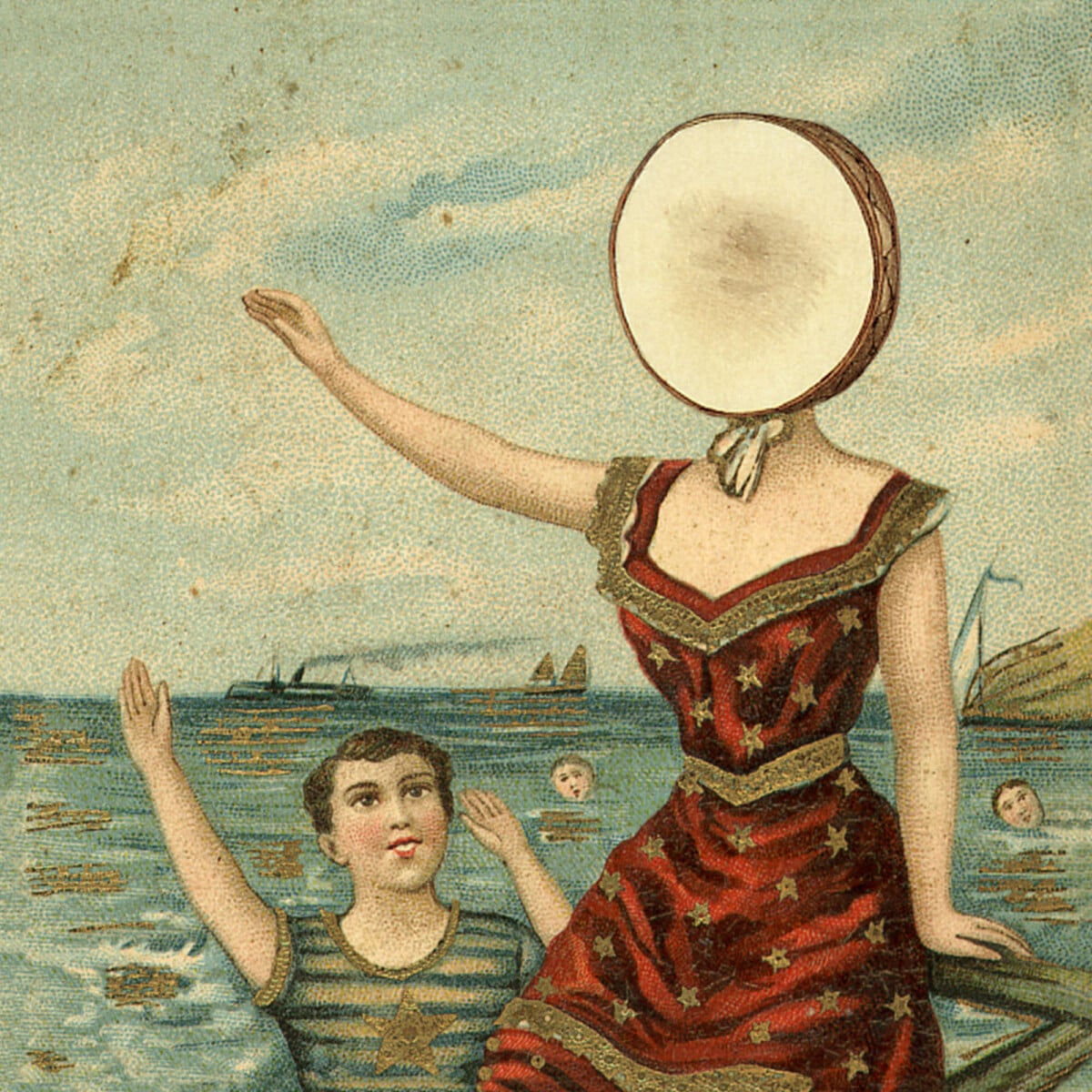
Most bands choose to break up because they’ve never managed to make it into the big time, and their impatience with the industry is what grinds them to a halt. You could question whether Neutral Milk Hotel were ever a band in the first place, given how much control frontman Jeff Mangum asserted over the direction of the project, but such is the mythology behind the project and their second album, In The Aeroplane Over The Sea, in particular, it shouldn’t be a surprise that all of the intense discussion surrounding the record is what drove Mangum into hiding, choosing never to resurrect his beloved project for another full-length release.
Now something of a punchline among sneering and overzealous online communities who base their entire personalities around carefully curating lists of their favourite albums, only for them to appear near-identical to one another, the second and final Neutral Milk Hotel album was, unfortunately, destined to become a victim of its own popularity.
Released at the same time that the internet was becoming a hotbed for community-led music discourse via messageboards, In The Aeroplane Over The Sea garnered plenty of attention for its unusual premise, bizarre approach to instrumental arrangements and Mangum’s hard-to-ignore howling vocals, but the attention was all too much for the ringleader to take. In The Aeroplane Over The Sea was given life by the internet, and it took the life of Neutral Milk Hotel away.
This Heat – ‘Deceit’
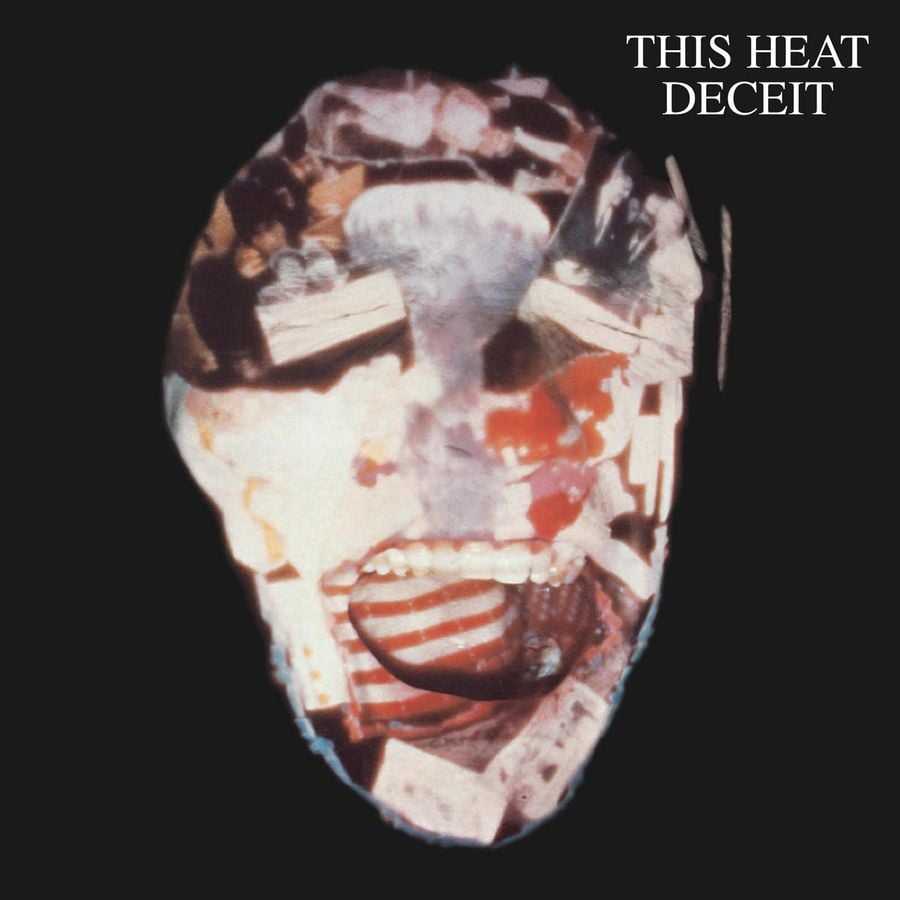
If you’re going to bow out, you may as well bow out with a bang. London experimental punk trio This Heat were probably, on reflection, never destined to be stars, but just because you take an obtuse and alienating approach to creating music that leaves the listener in a perpetual state of unease, doesn’t mean you’re not capable of making something that will be looked back on as a treasure in years to come.
Their self-titled debut album in 1979 perhaps arrived too soon for anyone to fully appreciate just how important and influential it was, and yet rather than try to zoom in on some of the elements from the album that could have seen people latch onto what they were trying to do, they instead chose to create an even bigger headfuck of an album.
Deceit may feel more calculated in its approach, with some of the songs following a more traditional song structure and less driven by manipulated tape machines and loops, but that doesn’t mean that the band toned things down in terms of the general atmosphere or themes.
It’s arguably colder than its predecessor, and the record’s underlying theme surrounding the fear of nuclear armageddon is echoed not just by the anxious lyrical content, but by the fact that the way the album is pieced together feels as though it’s on the verge of imploding. This Heat were never going to top Deceit, they were never going to find an audience able to keep up with them in a contemporary setting, and they were never going to compromise – and that’s arguably why it’s become such an important album in the history of British post-punk.
