


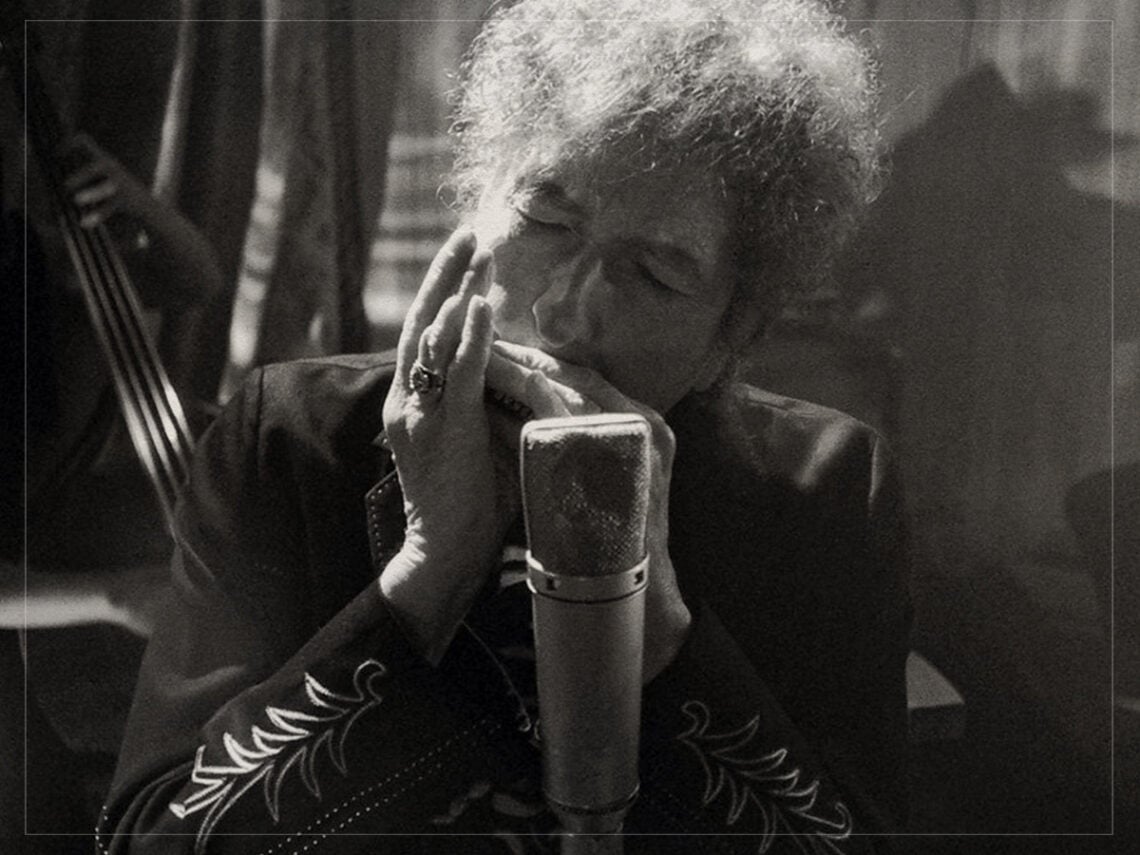
Mocking the maestro: Five songs that brutally diss Bob Dylan

Creative rivalry has been ever-present since the Neolithic ages, when Bob Dylan was no more than a boy. But the origin of the direct diss-track is a little closer to the eternal artist’s arrival in Greenwich Village, dating back to 1933 in Brazil.
The Malandragem lifestyle was just taking hold – a cultural uprising where a clutch of working-class artists refused to give in to the harsh capitalist controls of the ruling class, and threw epic samba parties that lasted for days at a time. Noel Rosa thought that Wilson Batista was giving these vital get-togethers a bad name, so he bashed him in a searing, danceable hit.
Since then, as is often the case, capitalism has largely co-opted the art form with artists aligning a bashing with a commercial breakthrough. As the oft-scathing Hugh Cornwell of The Stranglers revealed to me recently in a chat about the punk era’s modus operandi for free self-promotion, “That’s what you did in those days, you know, slag people off, because that’s how you got in a headline.”
However, the lesser-known Dylan diss-track is unique in the world. You sense that the reason why the same artist who so many have deemed the greatest draws so much ire comes from a place of deep, detestable envy. Paul Simon took a pop at him, as you’ll see below, and the diminutive singer also said, “I usually come in second to Dylan, and I don’t like coming in second.”
So, whether Dylan sees them that way or not, more than likely he couldn’t care less, why would he? Looked at in a sunnier light, it’s not too difficult to see these insults as glowing compliments. But who are the brave souls who dared to mock the maestro?
Five brutal diss tracks that mock Bob Dylan:
‘American Pie’ – Don McLean
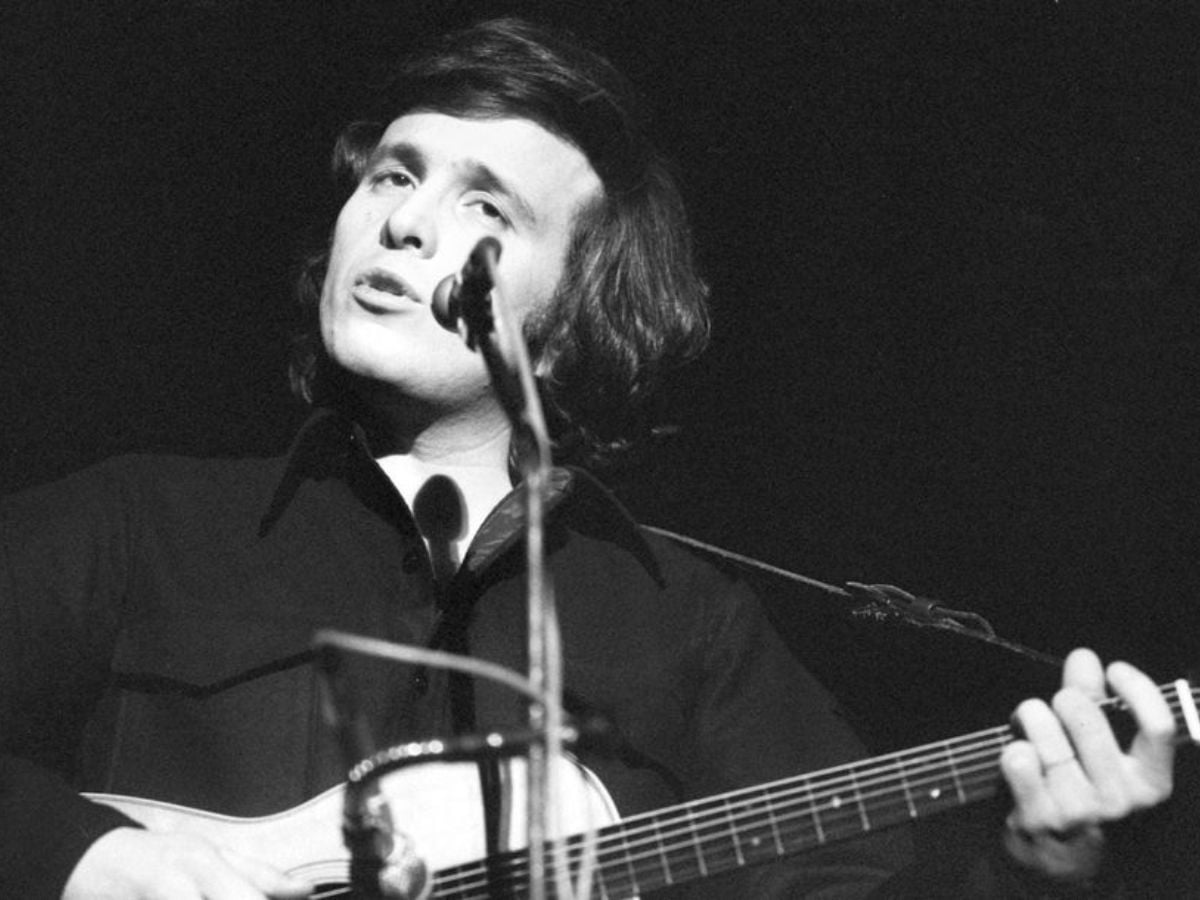
In his earliest press conferences – ”Is this a microphone?” – Dylan made it very clear that he was a joker, iconoclastically reshaping culture. Or was he a jester, recklessly tearing down idols? Well, that’s how Don McLean may well have seen him.
We are introduced to the jester in McLean’s masterpiece at about the point that Dylan reinvented the musical wheel with the Freewheelin’ Bob Dylan. As McLean sings in reference to the jacket that Dylan sports on the cover of that record: “The jester sang for the king and queen / In a coat he borrowed from James Dean,” and then with a nod to his everyman stylings, “With a voice that came from you and me.”
Later proof that McLean demarked Dylan as some sort of clown figure comes with the line, “The players tried for a forward pass / With the jester on the sidelines in a cast,” in reference to Dylan’s hiatus from the music industry after a motorbike accident injured his arm. Whether or not the halftime show being sweet perfume is a reference to McLean’s opinion that the music was better in his absence is open to speculation, but McLean certainly has some oddly obfuscated message of condemnation against the jester in his track.
As for their own thoughts on the matter, well, McLean once said, “I can’t tell you, but he’d make a damn good jester, wouldn’t he?” And Dylan recently responded: “Yeah, Don McLean, ‘American Pie,’ what a song that is. A jester? Sure, the jester writes songs like ‘Masters of War,’ ‘A Hard Rain’s a-Gonna Fall,’ ‘It’s Alright, Ma’ – some jester. I have to think he’s talking about somebody else. Ask him.”
‘Talk To Me’ – Joni Mitchell

After spending a year on the road with Dylan as part of the Rolling Thunder Revue, clearly, Joni Mitchell was irked by the original vagabond’s mystic ways. “Just come and talk to me, Mr Mystery, talk to me,” she sings as though it was written as she gazed across the hotel bar at the distant folk star, “Are you really exclusive or just miserly? You spend every sentence as if it was marked currency.” These words arrived during a period when Sam Shephard, Mitchell’s own romantic involvement on the tour, was observing Dylan entrenching himself within the “myth“ of Bob Dylan.
She even indicts his hero, Charlie Chaplin, in her mocking plea for his “miserly“ company. However, her issue dates further back than the tour. While she cited him as an early inspiration, she soon found, “We are like night and day, [Dylan] and I.”
Commenting, “Bob is not authentic at all. He’s a plagiarist, and his name and voice are fake. Everything about Bob is a deception.”
But perhaps her nastiest critique comes from the very same tour where she grew frustrated with his sullen and uncommunicative ways. In Brian Hinton’s biography Both Sides Now, Mitchell recalled: “On the third night they stuck Bob at the mic with me and he never brushes his teeth, so his breath was like right in my face.”
‘A Simple Desultory Philippic’ – Simon and Garfunkel
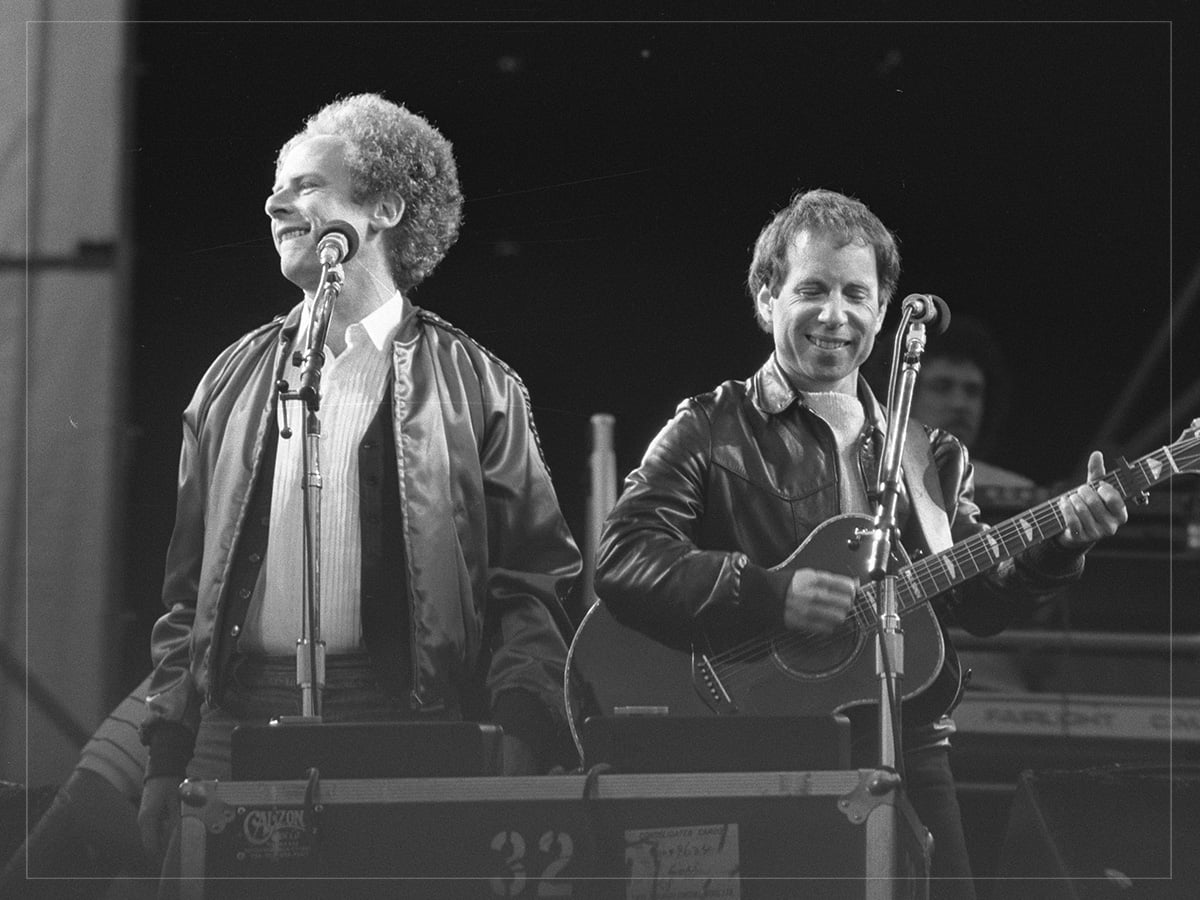
With Dylan pushing on into electric music around the time that this apparent parody was recorded in June 1965, his folk peers began to weigh in on the hysteria surrounding the star. Paul Simon was one of the first to mock it all. In this clear divergence in style for Simon and Garfunkel, they added the twists of organ and psychedelic guitar sounds that had entered Dylan’s oeuvre.
However, Simon then takes a look at Dylan’s songwriting style by seemingly mocking his penchant to throw in obscure lines and list off literary and pop culture references. In a Dylan-esque vocal affectation, he purrs: “Not the same as you and me, he doesn’t dig poetry / He’s so unhip, when you say Dylan / He thinks you’re talking about Dylan Thomas, whoever he was.”
Simon, however, would treat the track as more of a satirical exploration than a full-on dig at the man whom he has dubbed an inspiration. As he told Rolling Stone: “One of my deficiencies is my voice sounds sincere. I’ve tried to sound ironic. I don’t. I can’t. With Dylan, everything he sings has two meanings. He’s telling you the truth and making fun at the same time.”
‘Serve Yourself’ – John Lennon

“So here we sit, watching the mighty Dylan and the mighty McCartney and the mighty Jagger slide down the mountain [with] mud and blood in their nails,” John Lennon drawls into a dictaphone in 1979. “Well, I was listening to the radio,” he begins, “And Dylan’s new single or whatever the hell it is came on.”
The track that he’s referring to is ‘Gotta Serve Somebody’, or as Lennon jokingly calls it ‘Everybody’s Gotta Get Served’, from Dylan’s 1979 record Slow Train Coming, the first in a series of born-again Christian records with heavy biblical overtones. “He wants to be a waiter for Christ,” Lennon adds, laughing to himself. Thereafter, his critique becomes even more caustic.
He adds, “The backing is mediocre […] the singing’s really pathetic and the words were just embarrassing.”
Later, he took this attack in a musical direction with his parody response to the demo ‘Serve Yourself’. Lennon sang: “You tell me you found Jesus/ Christ! Well, that’s great, and he’s the only one/ You say you just found Buddha?/, and he’s sittin’ on his arse in the sun?” The home-recorded satire, which you can listen to below, was first released in November 1998 as part of the John Lennon Anthology box set.
‘Bob Dylan Blues’ – Syd Barrett

Syd Barrett, like his Pink Floyd bandmates, was a huge fan of the original vagabond. After all, the folk star had brought a new level of intelligence to popular music that allowed the likes of Barrett to experiment with the backing of a newly open-eared public. But as Barrett’s life began to slide without having reached a level of success that he may have if he had been provided proper support, he began to look rather jealously upon his former hero.
In his solo effort ‘Bob Dylan’s Blues’, Barrett rattles off a string of Dylan’s schtick in a tone of deriding cynicism. “Got the Bob Dylan blues /And the Bob Dylan Shoes /And my clothes and my hair’s in a mess /But you know I just couldn’t care less,” he sings in an affected drawl. “Going to write me a song /’Bout what’s right and what’s wrong /’Bout god and my god and all that /Quiet while I make like a cat.”
Within two simple verses, Barrett has skewered Dylan’s repetitive rhythm style, his carefully causal dress code, his aura of apathy, his moral piety, his religiosity, and his trait of quirking it all with a bit of nonsense when he has run out of another rhyme. Nevertheless, given that Pink Floyd were all fans, it is likely that Barrett recognised these tropes as central tenets of an artist who crafted some of the finest songs of his generation, and it was merely the circus that surrounded him that became the victim of Syd’s spirited spleen.

Never Miss A Tale
The Far Out Bob Dylan Newsletter
All the latest stories about Bob Dylan from the independent voice of culture.
Straight to your inbox.