


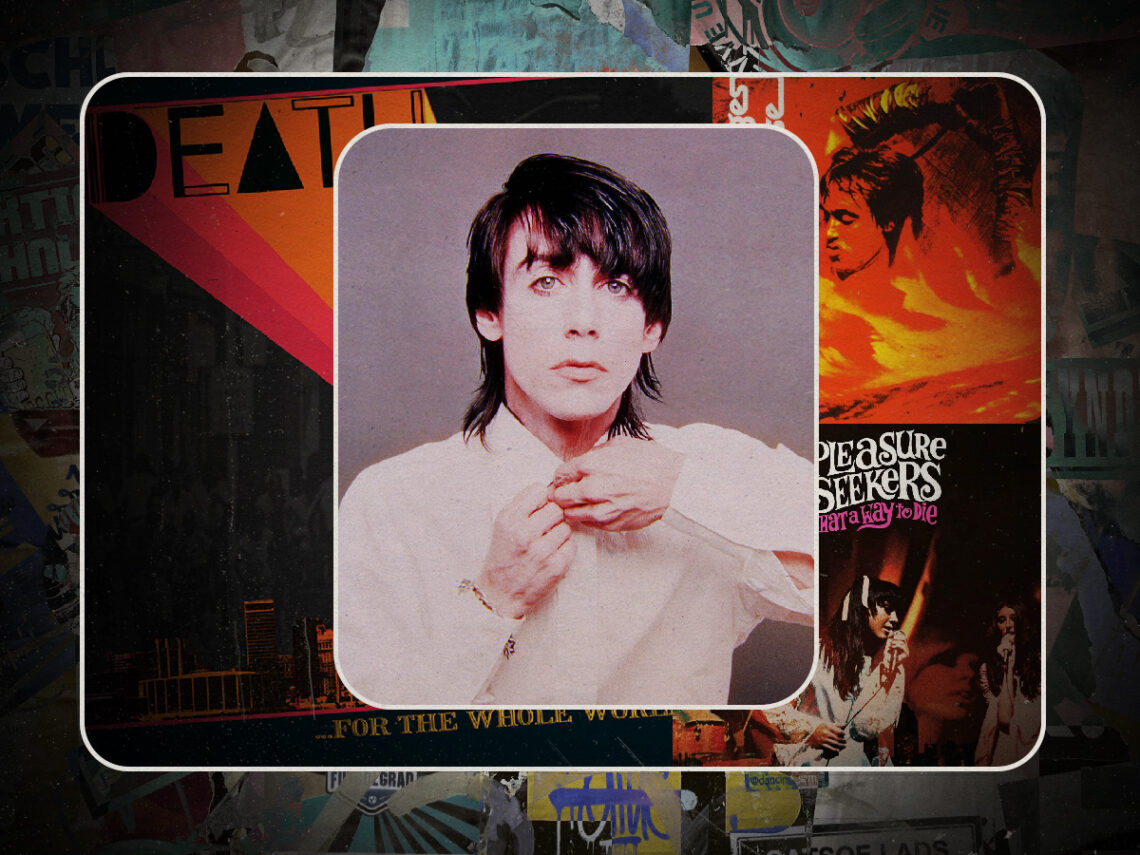
‘You Really Got Me’: Five songs that predicted punk rock

There is no definitive ‘origin of the species’ when it comes to the realm of punk rock.
Although it was within the sweat-stained, rat-infested walls of New York’s CBGB club that the scene affirmed its inherent sound and discovered its fashion sense, the likes of the Ramones and Patti Smith were building upon a pre-existing amalgamation of influences stretching right back to the earliest emergence of rock and roll.
Punk, after all, is as much an attitude as it is a music genre. At the heart of that attitude is a sense of rebellion and a rejection of the mainstream, which, in essence, was the root of rock and roll itself. Take Little Richard, Fats Domino, or any of the pioneers who carved out that scene in the 1950s; they were performing high-energy, rebellious music and speaking directly to their audiences in ways which would eventually be replicated by the likes of The Clash or Blondie, albeit with far less guitar distortion and gobbing.
As a result, it is near-enough impossible to pinpoint the exact moment that punk rock’s spirit was born, and whether it was surrounded by cropped haircuts and sharp suits or spiked hair and bondage trousers.
Even in terms of punk’s sonic signifiers, the root of the scene’s sounds long predated the 1970s, borrowing heavily from the garage rock realm of the 1960s, and even some of the decade’s biggest hits – if you look at the Sex Pistols’ early setlists, covers of The Small Faces, Paul Revere, and The Who were surprisingly commonplace.
Then, there are punk’s more obvious predecessors in the form of groups like The Stooges or The MC5, who laid out the abrasive, adrenaline-fueled blitzkrieg sound of punk as an antidote to the ‘peace and love’ era of hippiedom.
Here, we have collected five prime examples of tracks bearing the hallmarks of punk rebellion, all of which were released years before anybody thought to hold their outfits together with safety pins or wile away their youth pogoing to various sneering punk bands.
Five songs that predicted punk rock:
Los Saicos – ‘Demolición’ (1964)
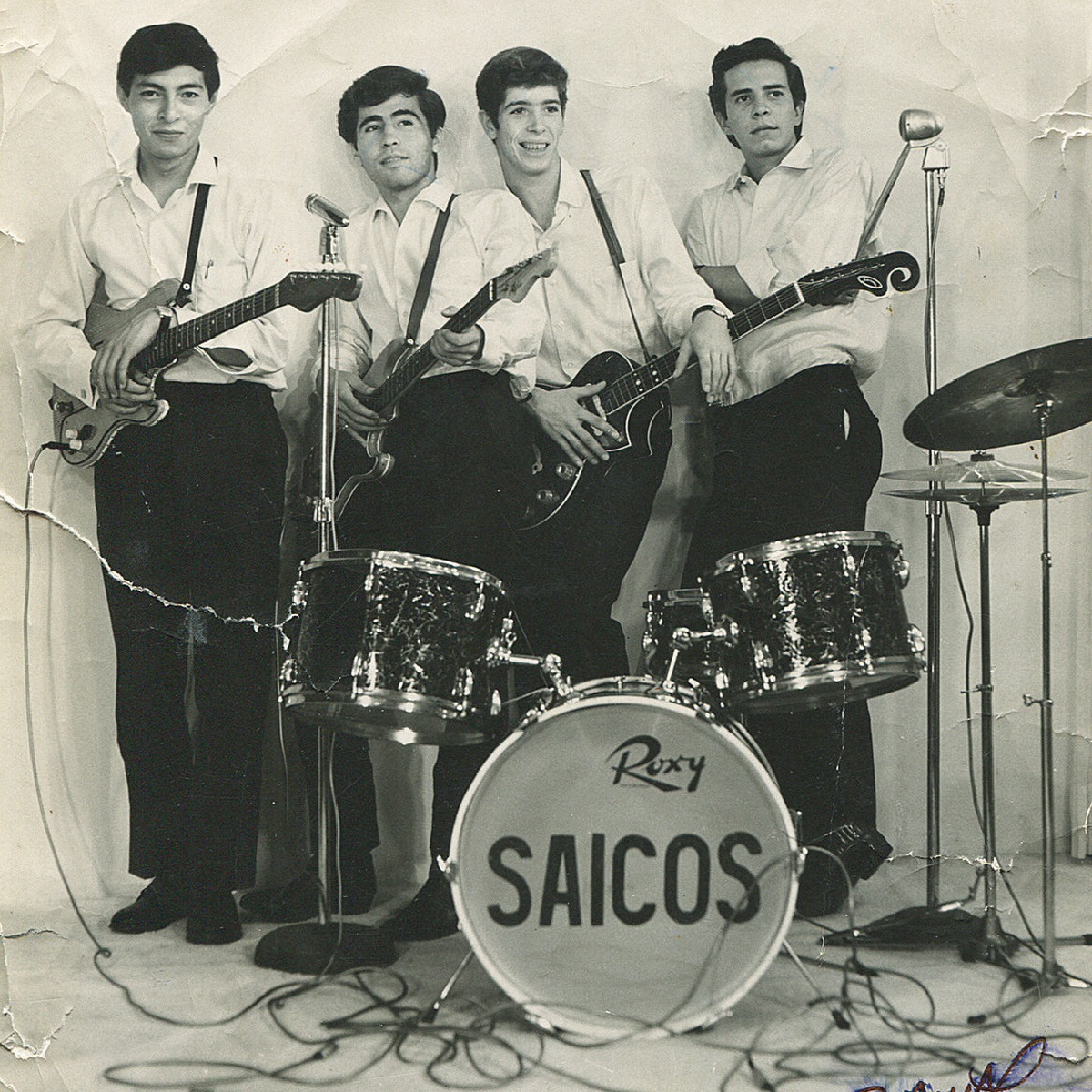
Peru isn’t often cited as a ground zero for punk rock rebellion, but the city of Lima did boast a rather exciting garage rock scene back in the 1960s, of which Los Saicos were certainly at the forefront of. In addition to being one of the most iconic Peruvian rock songs to ever hit the airwaves, the track ‘Demolición’ also shares a lot in common with the American punk sound that followed over a decade after its 1964 release.
With a bassline befitting of The Cramps’ stand-out track ‘Human Fly’, and anarchic lyrics calling for destruction and demolition, the single was operating years ahead of its time. While the likelihood of it actually being heard by any of the main architects of the 1970s punk scene are fairly slim – if not nil – the single certainly seemed to predict the attitude and energy that would typify the scene when it eventually arrived.
Death – ‘Politicians In My Eyes’ (1976)
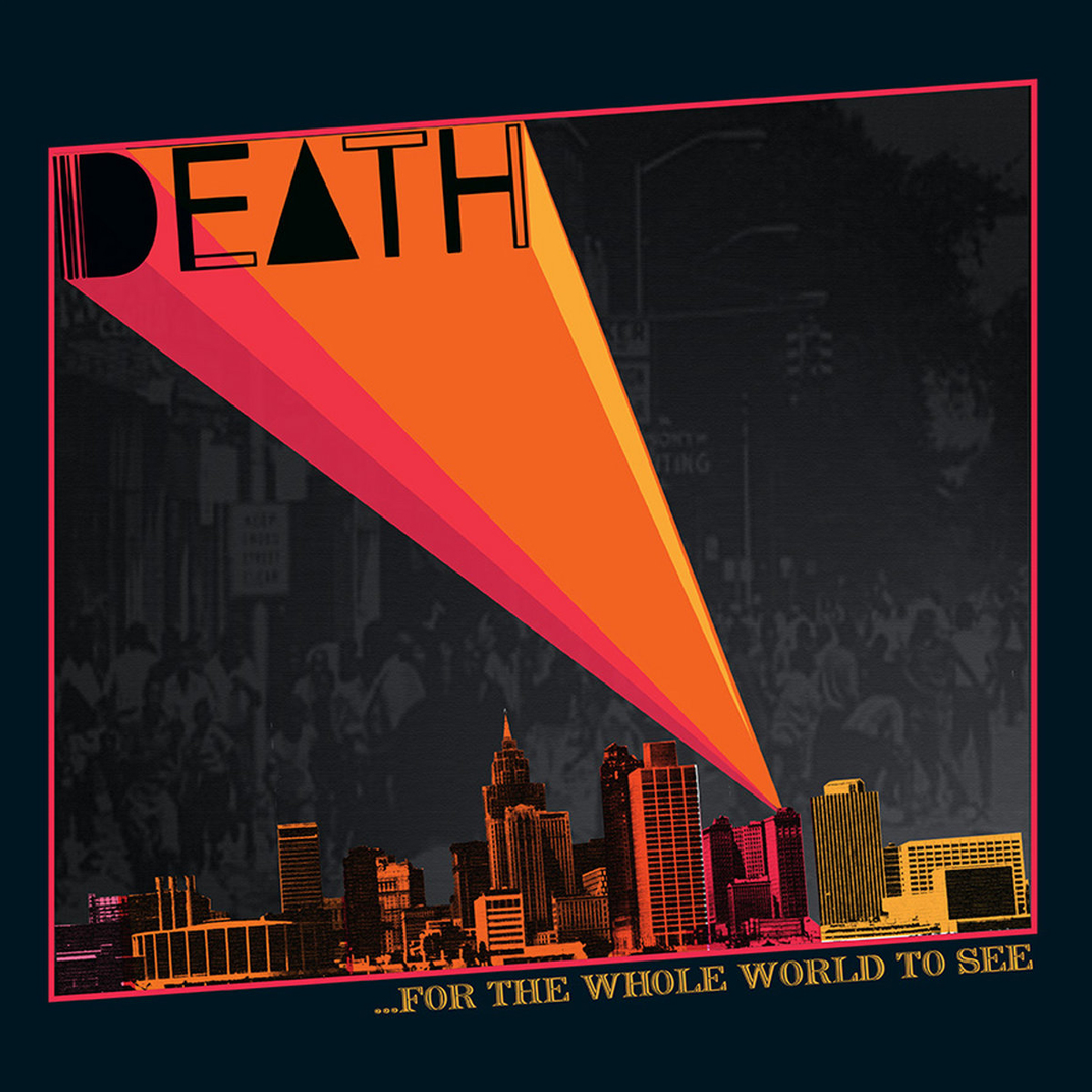
A forgotten touchstone for the political and hardcore punk that arrived later on, ‘Politicians In My Eyes’ sounds virtually indistinguishable from the punk sounds emanating from CBGBS during the latter part of the 1970s. The prevailing difference is that the Tryangle-released single was totally ignored upon its initial release.
Hailing from the garage rock haven of Detroit, Death was the brainchild of brothers Bobby, David and Dannis Hackney, but the project was pretty fleeting. ‘Politicians In My Eyes’ was, in fact, the only track the band managed to release during their initial tenure, though the rest of their incredible proto-hardcore recordings eventually came to light in 2009, when their proto-punk quality was finally appreciated by the masses.
The Kinks – ‘You Really Got Me’ (1964)
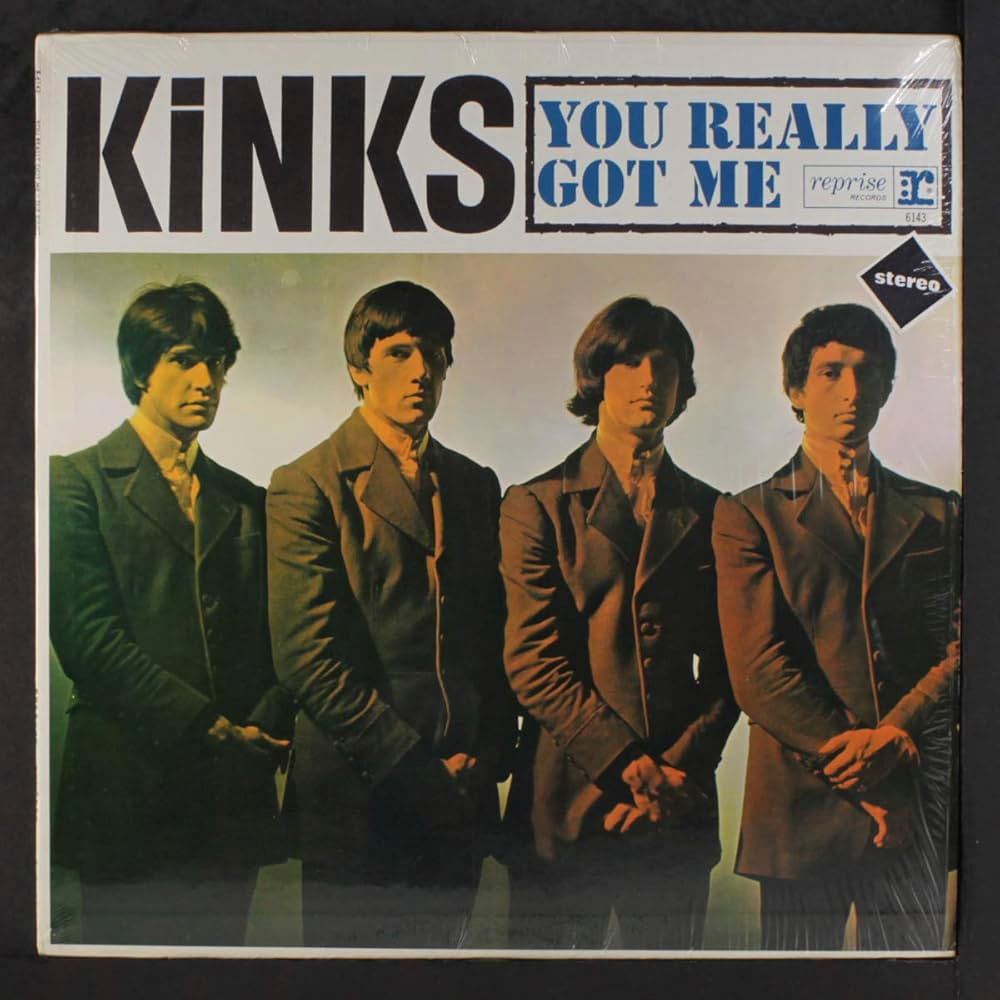
When punk exploded in the United Kingdom back in 1976, with the Sex Pistols leading the charge, there was an ethos of ‘destroy’; of doing away with everything that had gone before and starting afresh. One of the only ‘old’ groups that were allowed to remain, it would seem, were The Kinks, whose pioneering distortion and power chords made them the blueprint for virtually every British punk outfit in the land.
‘You Really Got Me’ was the band’s defining moment, earning them a number-one hit and, more importantly, exemplifying the power of short, sharp rock and roll rebellion, featuring universal lyricism and a distinctive guitar tone achieved by taking razor blades to the band’s amplifiers. As if that wasn’t punk enough, the single is also cited as a prevailing source of inspiration for the garage rock scene which produced a litany of proto-punk masterpieces.
The Pleasure Seekers – ‘What A Way To Die’ (1966)
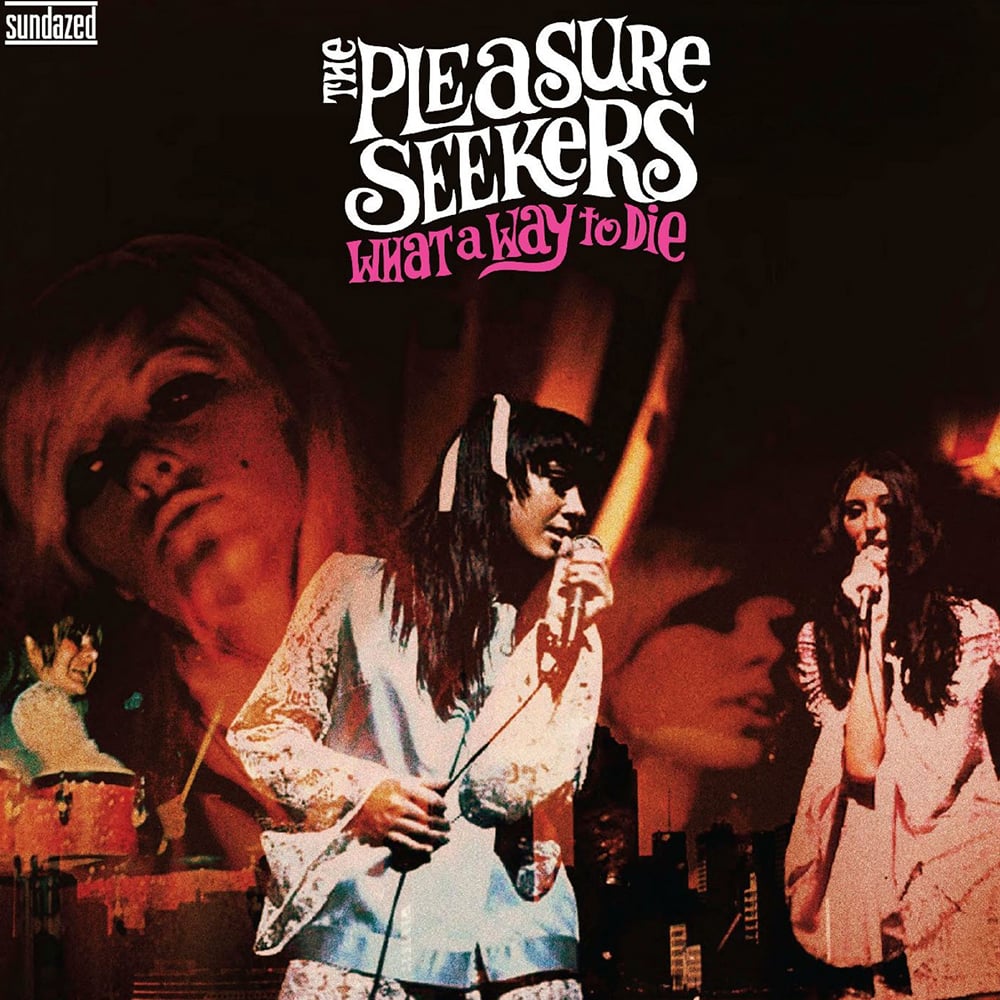
Another pioneering garage rock track that was far too ahead of its time to enter the charts, ‘What A Way To Die’ – despite originally being a B-side – is the defining track of the short-lived Michigan outfit The Pleasure Seekers. Featuring a young Suzi Quatro on bass, the song imbues the ‘live fast, die young’ spirit that was typified by punk rock in later years.
Although its sound was far closer to surf rock than most punks would dare to tread, the attitude of rebellion and youth within its lyrics, belted out by Suzi and Patti Quatro fall right in line with the CBGB era. It is no surprise, then, that the single along with Quatro’s later solo career played a massive role in inspiring the likes of Joan Jett and Chrissie Hynde, who eventually became punk heroines in their own right.
The Stooges – ‘1970’ (1970)
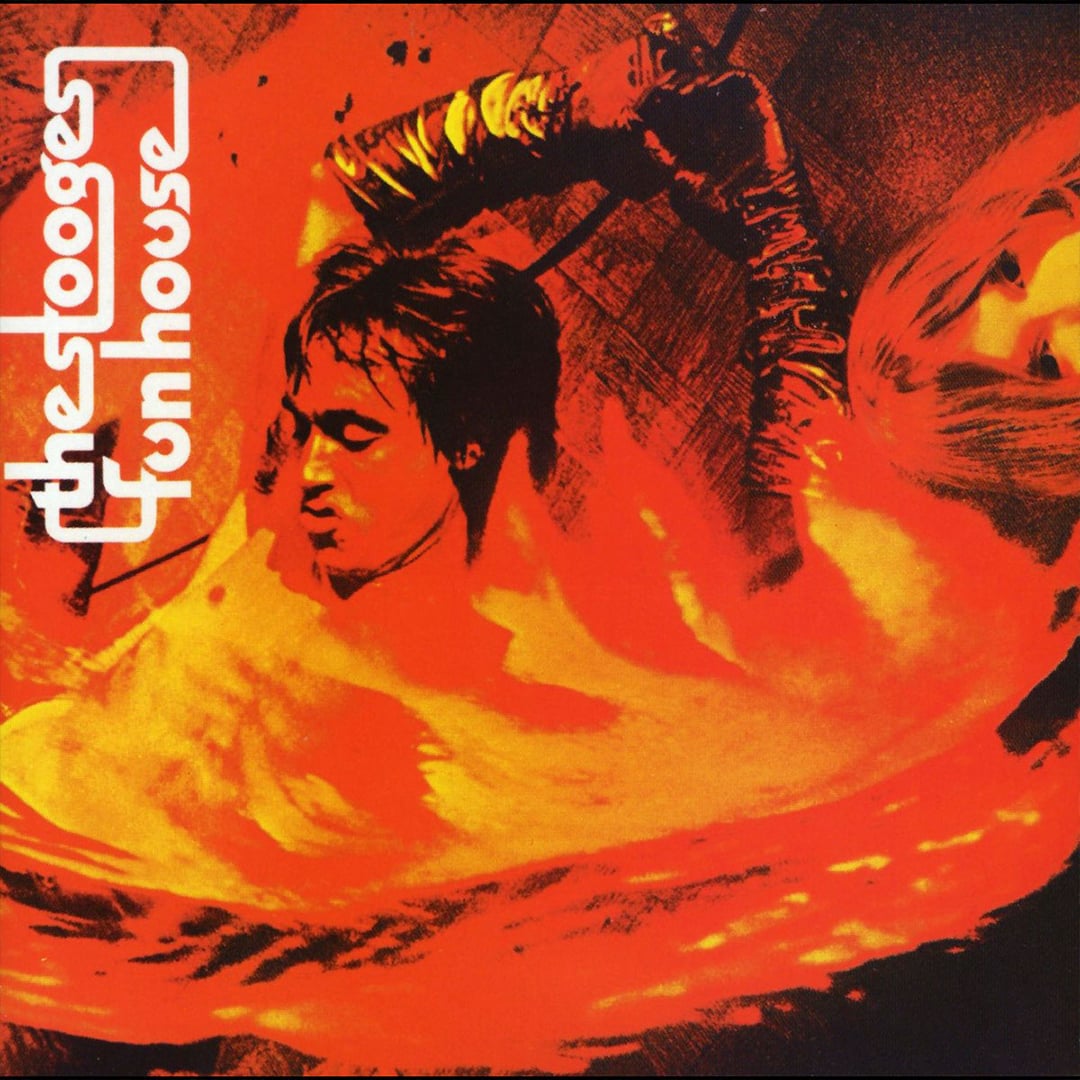
Routinely hailed as the godfather of punk, Iggy Pop was about as close as the 1960s came to out-and-out punk revolution, and The Stooges’ 1970 record Fun House remains one of the greatest punk albums of all time, despite being released years before ‘punk’ was ever an established music scene. The arguable stand-out from that album is ‘1970’, a down-and-dirty garage rock masterpiece imbued with a sense of desperation, violence, and self-determination.
Supported by the unrelenting sonic assault of Ron Asheton and the rest of the band, Pop delivers the track in such an enigmatic, amphetamine-fueled manner, making it easy to see where the likes of John Lydon, Henry Rollins, or any other punk frontman found the blueprint for their performance style – not to mention the X-Ray Spex style saxophone towards the end of its runtime.

Never Miss A Beat
The Far Out Punk Newsletter
All the latest Punk content from the independent voice of culture.
Straight to your inbox.