


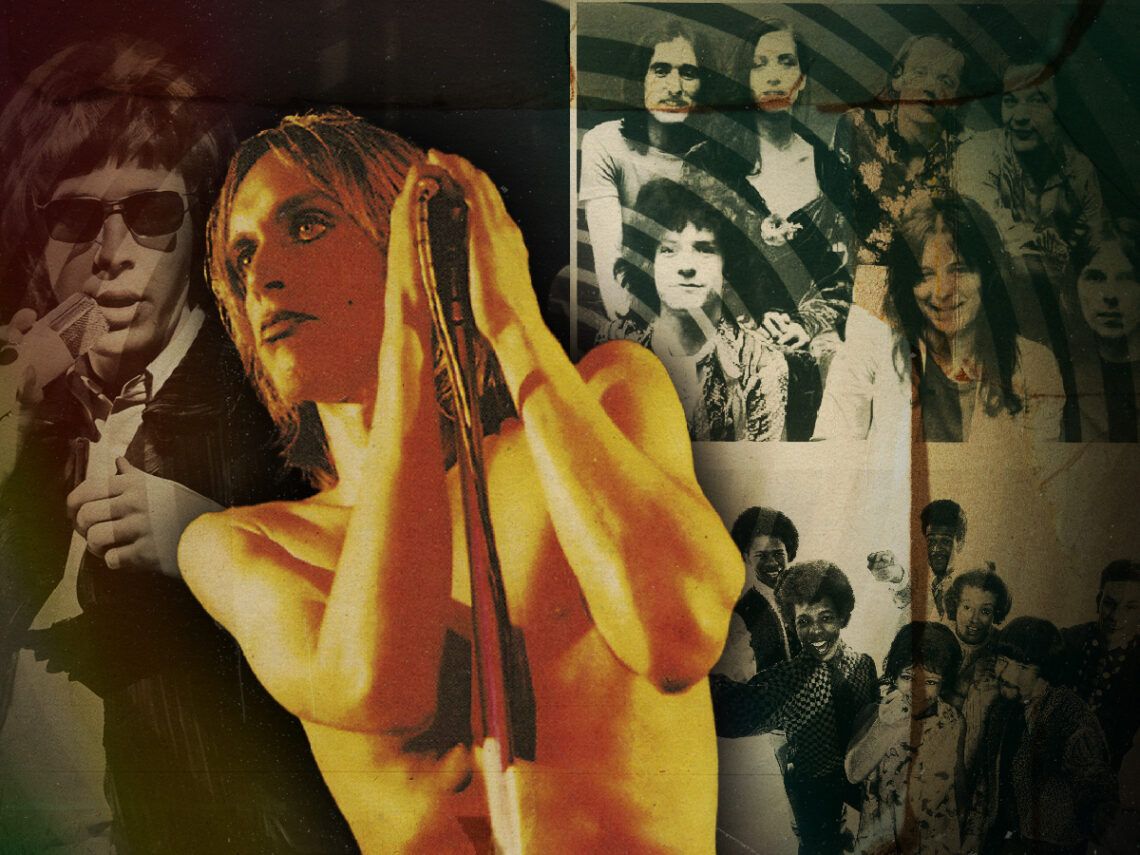
Five songs from 1969 that were well ahead of their time

There’s no other year in popular music’s storied history that quite burns into your senses as the year of our lord 1969.
It’s perhaps America-centric, but those four digits immediately flash the tumultuous whirlwind of a decade not just coming to a close, but imploding in on itself, the peace and love utopia lapsing into a bad trip of civil unrest and national demoralisation. What a difference two years can make. 1967 is all about flowers in your hair, Summer of Love; 1969 is Altamont, Vietnam, and murder in Beverly Hills. As cliché as it all is, it’s impossible not to cast the popular mind back to that year without The Rolling Stones’ immortal ‘Gimme Shelter’ harbinging its doom over the era’s arresting image carousel.
Yet, what also strikes about a perusal across 1969’s voluminous songbook is the lightyears that had raced by across ten short years. While every decade bookends look different to each other, the 1960s begin and end in different universes, a dizzying speed through music’s rapid changes, political freedoms, and a sexual revolution that dragged a Western world still shaking off the embers of the Second World War, and in the UK, the vestiges of austerity, to a realm unthinkable to the silent generation.
For better or worse, but that lauded decade is well enshrined in musical lore, each year bursting with fantastically innovative songs. But it’s 1969 that wavers on such a fraught knife-edge, where unreined creativity, political snarl, and an uneasy future all collide in a horribly fascinating, purple haze plume. Join us as we sift through such turbulent times and select the five cuts that looked straight into the eyes of the uncertain tomorrow.
Five 1969 songs that were ahead of their time:
Amon Düül II – ‘Phallus Dei’
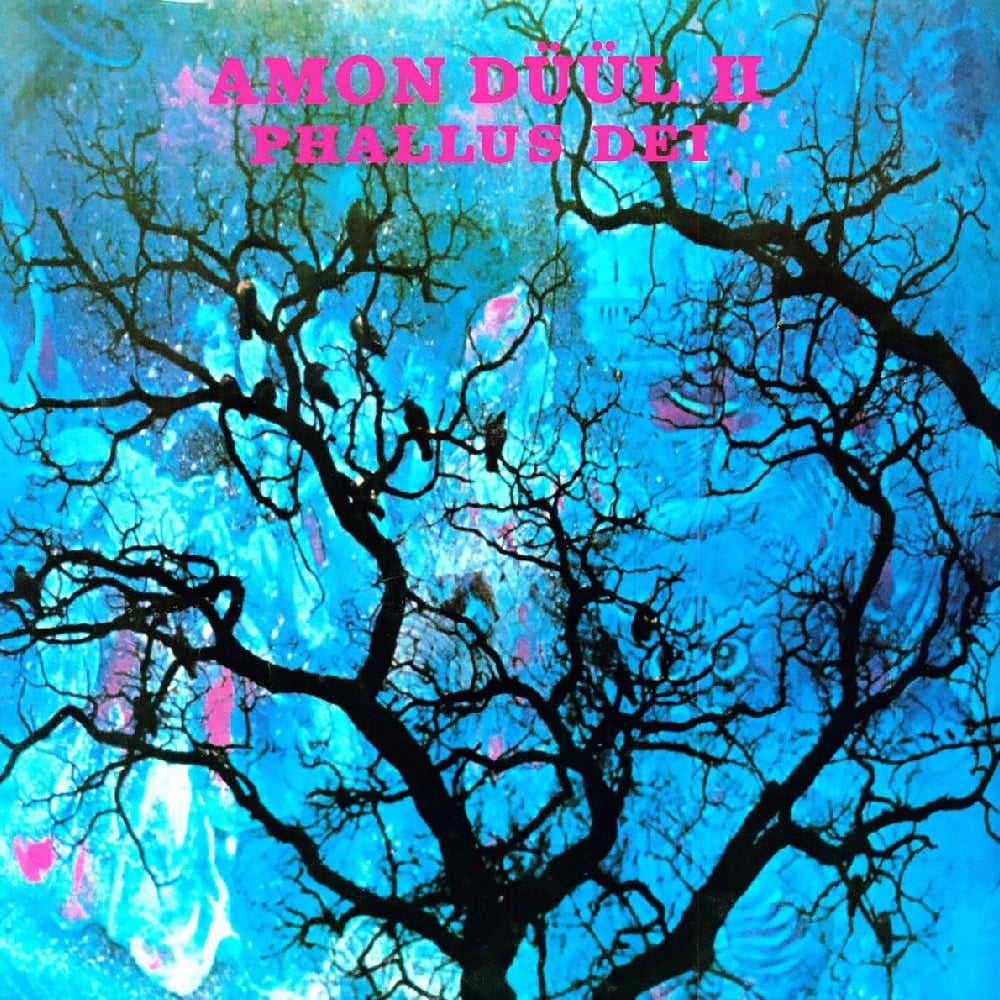
Producer: Olaf Kübler | Label: Liberty
Once LSD had had its mind-expanding, chromatic effect on music and the broader social underground, such cosmic promise quickly curdled into the proggy excesses of the fantasy noodlers that clogged the charts into the 1970s. Alongside Jamaica’s dub expanses, it would be Germany that could claim as psychedelia’s true successor, the so-called Krautrock scene enveloping intrepid luminaries such as Faust, Neu!, Can, and a nascent Kraftwerk yet to slip into their tailored suits.
While there’s no first band that can claim to lead the way, the Amon Düül II collective stood as a cornerstone of the movement, as well as gifting the musical genre its first LP offering. Burnished in the political engulf that swept across the student campuses and art communes the previous year, Amon Düül II’s liberatory radicalism would charge their Phallus Dei debut, its title track a ramshackle trip of jam guitars and stirring vocal choirs marking a pivotal force whose influence would extend into post-punk and the late 1980s’ neo-psychedelia.
Sly and the Family Stone – ‘Don’t Call Me N*****, Whitey’
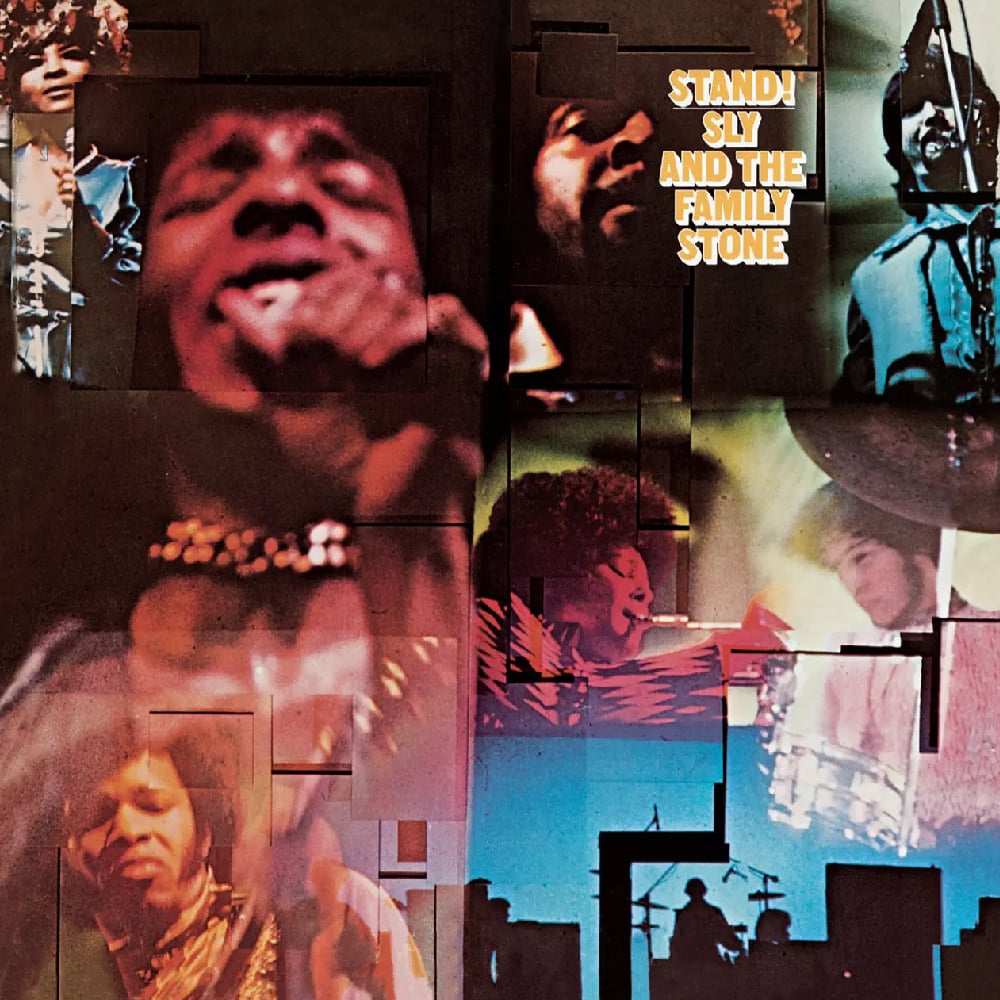
Release Date: May 1969 | Producer: Sly Stone | Label: Epic
Across the decade, the soul hits pumped out of the Motown and Stax hit factories scored the Black experience of America with an inescapable political edge. Following in the same tradition, Sly and the Family Stone would encompass the rock heft and psychedelia, colouring the bristling counterculture to score a musically eclectic brew as reflective of their mixed-race line-up, hurtling toward a fierce charge of socially conscious, kaleidoscopic funk.
Dropped just before their acclaimed Woodstock Festival set, Stand! further soaked up the tumult around the time, expressed starkly on the pugnacious ‘Don’t Call Me N*****, Whitey’. An attack on racial stereotyping, Sly’s piquant blend of talkbox fuzz and acid rock would lend pointers to the P-Funk mothership that awaited around the corner, and provide potent lyrical fuel for hip-hop’s future lyrical grenades lobbed at The Man and white America into the 1990s and beyond.
Scott Walker – ‘It’s Raining Today’
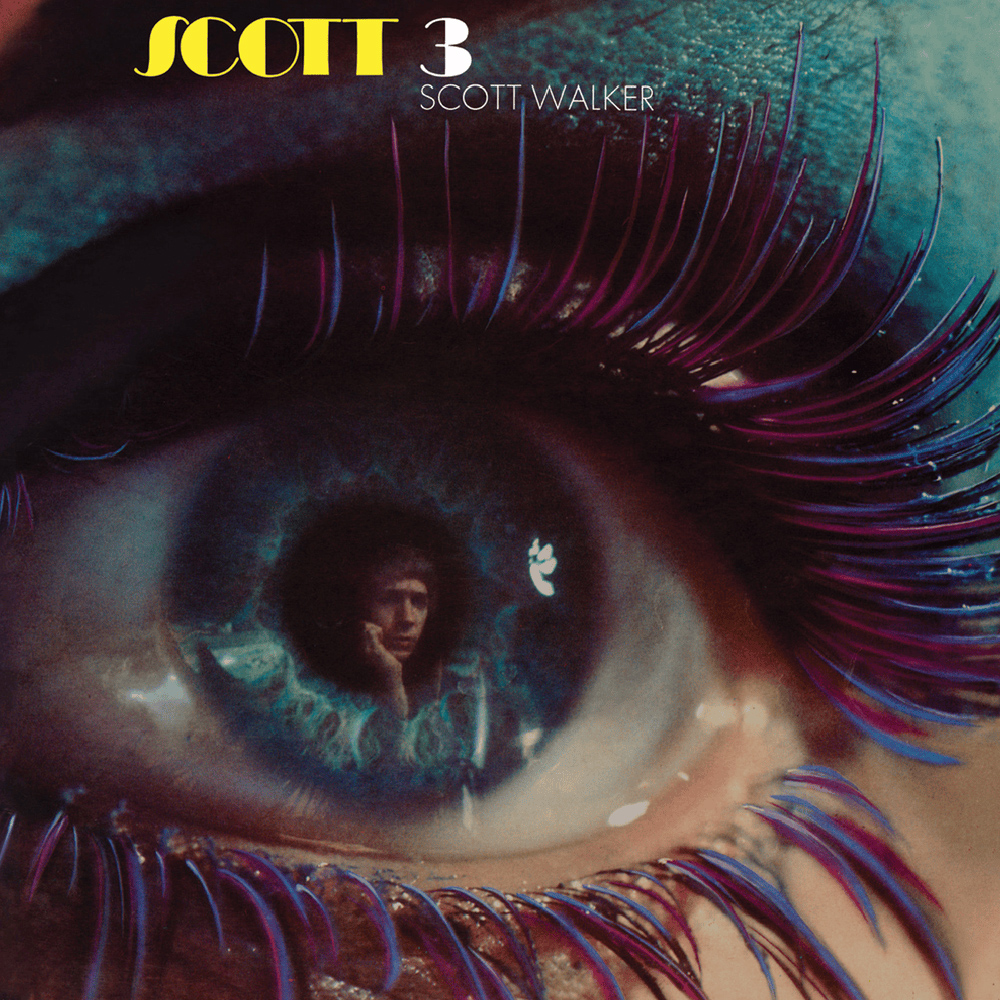
Release Date: March 1969 | Producer: John Franz | Label: Philips
After briefly challenging The Beatles as the UK’s most loved pop group, lead Walker Brother Scott decided to cut a string of solo albums as a chance to immerse himself in his love of Belgian chanson singer Jacques Brel and an increasing eye for experimental string arrangements. While the first entry of his Scott series was warmly received, the increasingly unorthodox nature of his work would spell final alienation from his old fanbase for 1969’s Scott 3.
Walker hadn’t yet struck such a majestic note of evocative melancholy as ‘It’s Raining Today’. An autumnal opening to Scott 3, the stirring number’s swirling strings and glittering chimes, coupled with its dramatic break, pull the ostensible pop songs to an electric realm of visionary, orchestral baroque. Walker would surpass himself on Scott 4 and touch on darker depths of avant-garde brilliance in later albums, but ‘It’s Raining Today’ is when his magic truly began to spark, leaving a ruminative imprint all over Radiohead’s ‘How to Disappear Completely’ over thirty years later.
White Noise – ‘Love Without Sound’
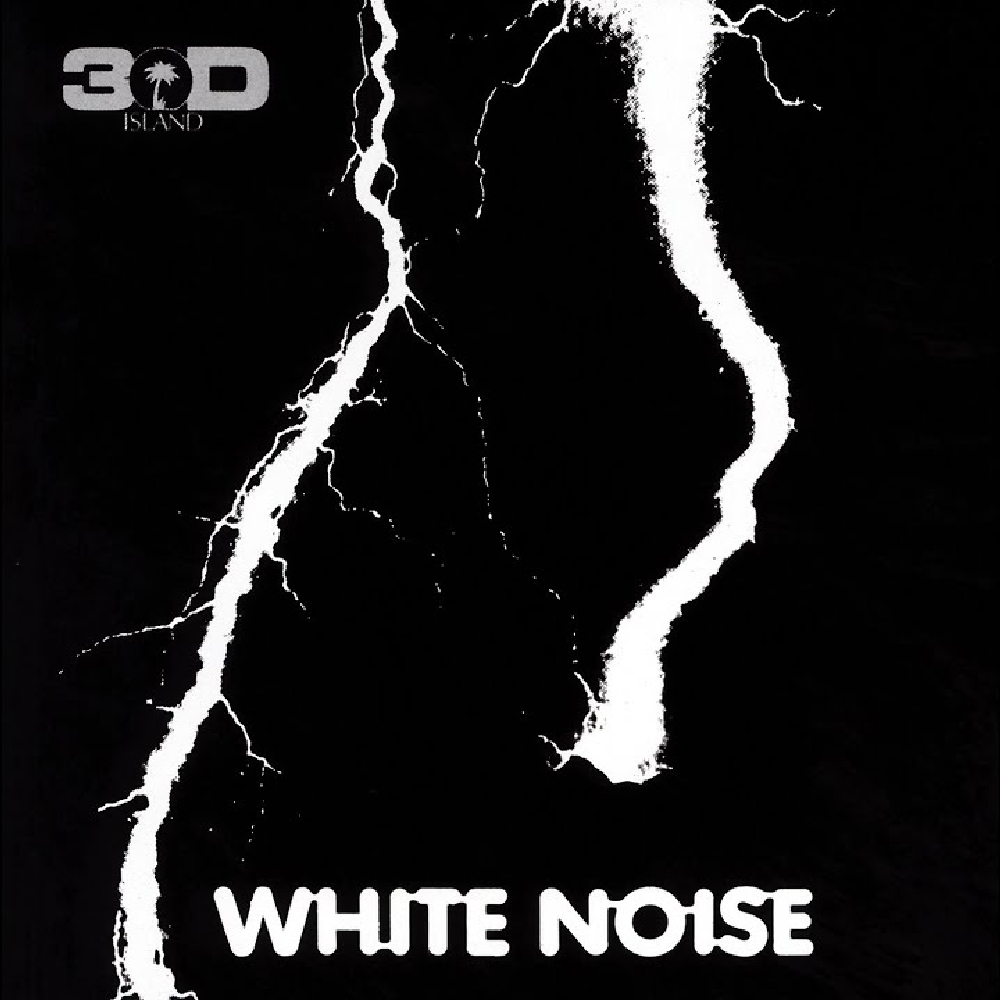
Release Date: June 1969 | Producer: Kaleidophon | Label: Island
Just before synthesisers began to make their analogue presences felt in the world of rock and pop in earnest, sound engineer David Vorhaus became lost in the otherworldly sonics conjured by Brian Hodgson and Delia Derbyshire as part of the famed BBC Radiophonic Workshop collective. Joining forces, the trio operated under the spooky White Noise moniker to meld the latest innovations in electronic music to something faintly orbiting the popsphere.
While such lysergic terrain had been touched on on The Beatles’ ‘Tomorrow Never Knows’ and the US psych group The United States of America, White Noise’s An Electric Storm was the first LP to harness the Workshop’s sound manipulations to its most far-out essence. Opening the album with ‘Love Without Sound’, its psychoactive shroud of sped-up cellos and pitch-altered vocals, amid a collage core of sampled weirdness, struck a gem of early electronic, ambient music still sounding lightyears ahead today.
The Stooges – ‘I Wanna Be Your Dog’
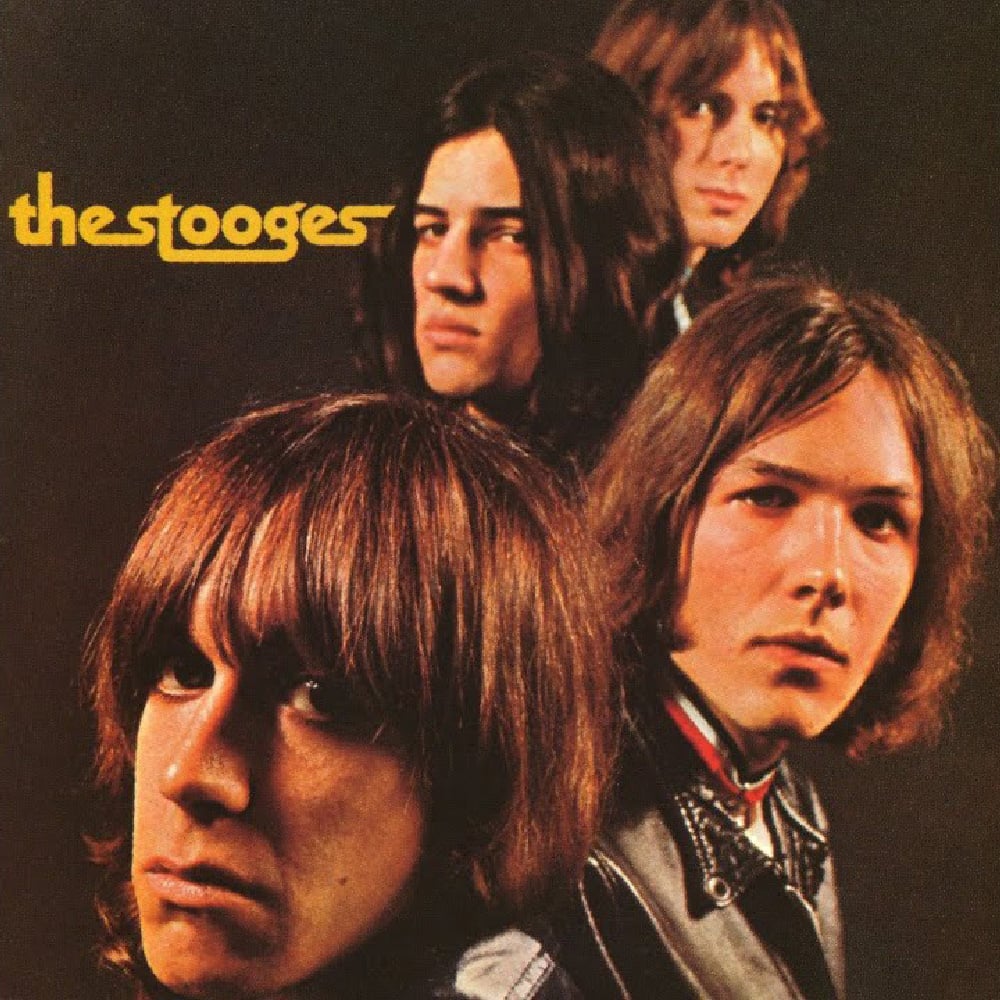
Release Date: July 1969 | Producer: John Cale | Label: Elektra
If any band were to embody the chaotic fervour of 1969’s countercultural upend, Detroit’s The Stooges muscle their way to the front of the decade’s climactic crescendo. The last word of the era’s garage rock ferality, frontman Iggy Pop took Jim Morrison’s on-stage abandon to further depths of volatility, a topless avatar of chaos scored by the Ashton brothers’ stripped-down scuzz attack, sensing the death of the hippie dream from a mile off.
Dropped ahead of their eponymous debut LP, and masterfully captured by former Velvet Underground violist John Cale, ‘I Wanna Be Your Dog’ bottled the febrile zeitgeist while also unwittingly pointing toward the future, cementing a template the incipient punk generation would all herald as an explosively foundational big bang in their quest to reignite rock and roll’s exciting flame.
