


Five songs that define the “indie sleaze” movement

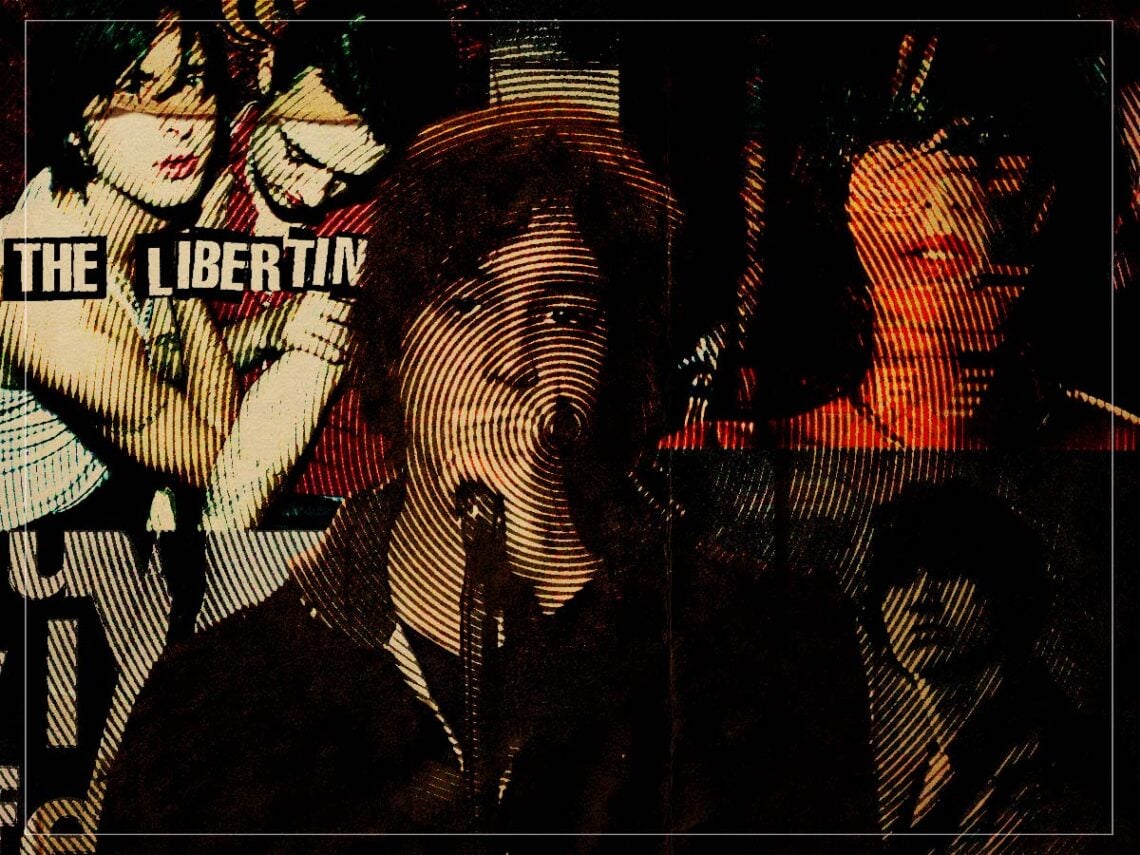
The term “indie sleaze” is relatively new, used to define a period in music that many pine for once again. It was when dancefloors were dirty, jeans were tight and being cool was still cool. It was when people wore sunglasses indoors, dodgy haircuts that kissed the wearer’s shoulders and toilet cubicles that had the stench of a regular toilet overpowered by that of sex and powder. It was Arctic Monkeys, The Strokes and The Libertines. It was beautiful.
From the 2000s onwards, there was a period of around ten years when indie music boomed, so much so that it stopped being the underdog of a genre and completely claimed the top spot. Bands had a huge “Don’t give a fuck attitude” about them and carried themselves as if being famous was an inconvenience, and those who adored them were merely getting in the way.
During this movement, fashion, image, sound, and attitude all collided, as it became important to perfect all four in a bid to be successful. A lot of the time, the image was the result of not caring about the image while also caring dearly about the image. It was incredibly complicated, but my word, it gave rise to some bloody good music.
As many people feel nostalgic about indie sleaze and look back at the genre’s impact, let’s consider some of the best songs that define the movement. Here are five tracks that typify indie sleaze.
Five songs that typify indie sleaze:
Yeah Yeah Yeahs – ‘Maps’
When Yeah Yeah Yeahs were gearing up to release their debut album, Fever To Tell, things weren’t looking great. The first two singles the band had put out had flopped, and people were starting to assume that their first album would do the same thing. Their saving grace came in the form of their third single, ‘Maps’, a huge success and now a pivotal moment in the indie sleaze canon.
The song is a tale of longing. With very few deviating lyrics, the repetitive nature of the track was done intentionally to reflect the repetitive nature of the cycle that Karen O and her partner at the time, Angus Andrew, had found themselves in. Andrew was touring a lot, and O was asking him to stop so that she could spend more time with him, enforcing that his fans don’t love him as much as she does. When asked about the song, O admitted that she wanted “To write a love song that stands the test of time,” and she certainly achieved that.
The Strokes – ‘Is This It’
What do you get when you chuck a load of millionaire’s kids into a dive bar? The Strokes had an attitude that only comes from a private education and god complex, paired with the style, sex appeal, fashion sense and sound that completely epitomised indie sleaze. Everyone wanted to be like them, and they were one of the most intrinsic bands in the whole movement.
Their debut is such a milestone in indie music that it’s tough to choose a song that best represents it, given it was so instrumental for various reasons. Because of the difficulty in selecting one song, it makes sense to simply pick the titular track. ‘Is This It’ is catchy and has swagger and substance, but it also has an effortless nature to it—a must-listen for anyone interested in sleaze.
The Libertines – ‘Time for Heroes’
If you didn’t want to be Julian Casablancas, you wanted to be Pete Doherty. They represent two of the main pillars that the sound was built upon, and many of the Libertines songs from this early album are the result of their label asking them to write songs like The Strokes. While the rhythm and blasé nature might be there, The Libertines were very much a product of their own making, unique in everything they did, which is well reflected in ‘Time for Heroes’.
‘Time for Heroes’ remains one of the band’s most pivotal numbers, as it reflects living on the fringes in London and has a truthful, gritty narrative that follows the working class like a shadow. It was a song inspired by the Mayday Riots in the 2000s as people campaigned against social inequality and capitalism. While the crooks of indie sleaze weren’t political, The Libertines showed you could convey a message within your music while still being a part of the movement.
MGMT – ‘Electric Feel’
There is nothing more indie sleaze than not giving a shit. The whole movement relied on effortless effort, as people looked good without looking like they tried, performed well without breaking a sweat, and made exceptional music without caring about it. MGMT embody the latter part of these three pillars incredibly well, as they stand by the fact that when they made their album Oracular Spectacular, they did so ironically.
What they made was apparently an imitation of pop, and while that certainly resonates, MGMT is another good example of indie sleaze. The album’s nature, paired with its danceability, meets the movement’s criteria pretty well. One of the biggest songs from the record is ‘Electric Feel’, which remains timeless and is still seen as a classic of the movement.
Arctic Monkeys – ‘A Certain Romance’
A lot of what climbed the charts during the indie sleaze movement was from American bands and bands from London. They spoke in a way that was poetic, drenched in metaphor, and, at times, inaccessible. Breaking through that mould was Arctic Monkeys, who managed to make music that had simultaneously the most surface-level lyrics out there and yet also the most beautifully written.
When they spoke, they didn’t overwhelm the audience with metaphor and hidden meaning; they spoke about people who “Had a couple of cans” and therefore thought it was “Alright to act like a dickhead.” And yet, with words so blatant, they managed to tap into something that was otherwise missing from the movement, creating a new unreachable branch of indie sleaze that spoke to the everyday romantics who found beauty in queues, one-night stands and taxi rides.
