


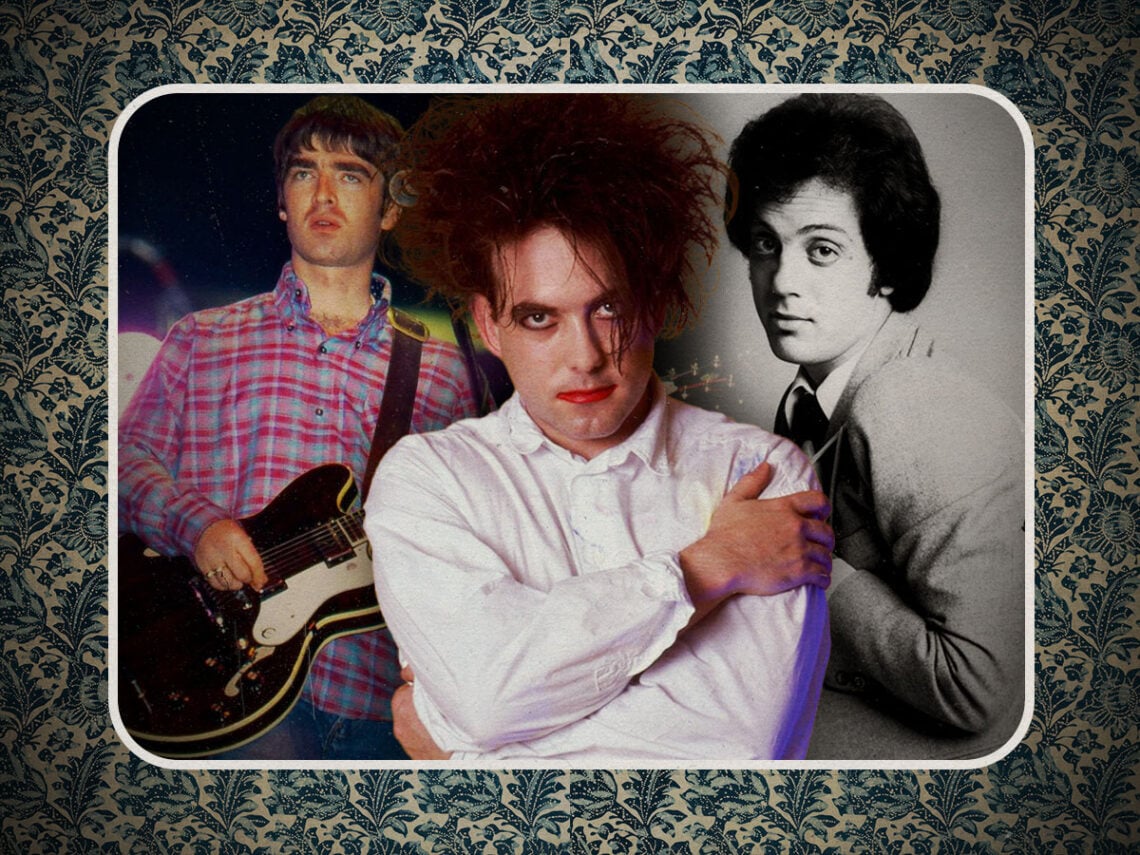
Five musicians who got bored with their own music

In today’s musical climate, you can almost tell straight away when an artist isn’t being authentic. And it’s worse when you get the sense that they’re not even into their own music.
This can happen for a variety of reasons, one being that they don’t write their own material. Take a look at some of the more manufactured pop bands out there: many of them seem trapped in contracts and other obligations, and appear too worn down to even try to pretend that they’re OK with it.
Others seem to have lost their spark long ago, with even those who have greater artistic freedom or the space to explore their own musical interests seeming like they’re one bad experience away from completely throwing in the towel, but in other scenarios, there is more nuance to why interest has waned, like disagreements with other band members or a general dislike of the direction they’re heading in.
Those scenarios are undeniably tougher to navigate – after all, musicians in bands can’t always call the shots, as much as they’d like to, and if the music seems to be venturing too far away from who they feel they are as artists, then that’s sometimes grounds to walk away entirely.
Some artists regain their passion later, when time and the space to reflect allow them to fall back in love with music, while others stay away for the long run, wondering where everything went wrong.
Five musicians who got bored with their own music:
Billy Joel

In 1999, Billy Joel was experiencing one of the biggest turning points in his career. Disillusioned with playing pop-adjacent music and existing in the rock ‘n’ roll space, he wanted to explore other interests and experiment more with genres like classical music.
However, while he found inspiration elsewhere, he eventually ventured even further from the type of musician he once was, abandoning studio recordings almost entirely and focusing mainly on live performance – when looking back, Joel also has a complicated relationship with some of his other material, suggesting that he’s not always his own biggest fan, and while he might still enjoy music on a basic level, he appears to find it far more difficult to stay connected with it.
Thom Yorke

It’s natural for musicians to feel their passion ebb and flow from time to time, especially when they’ve been in the game for a longer period of time than most of their contemporaries, and while Thom Yorke didn’t let his burnout lead to complete and utter disconnection and boredom, he has been forced to navigate creative stagnation more than once, a move that ensured he didn’t lose patience and completely call it a day.
Aside from the obvious – his ‘Creep’ fatigue, which he famously declared during a show in Montreal when he said, “Fuck off, we’re tired of it” – Yorke also suffered from an intense bout of disillusionment following the OK Computer success, forcing him to completely change direction so he didn’t lose all interest in creating music in the future.
Oasis

Oasis’ self-frustrations and criticisms are famously well-documented, but one thing that felt especially jarring as time went on was how much everything felt like iterations of the same. Which, if for nothing else, did little to help the brothers’ growing frustrations at each other during some of the band’s most crucial moments.
Noel Gallagher even once admitted that the band’s “stadium rock” sound eventually made it easy to quit the band, partially because he’d grown “restless and bored with the music”. While he’s regained his passion for now, Oasis’ stagnation no doubt hindered his ability to keep his head in the game, pushing him to want to explore his own solo venture and explore other styles.
Sting

It’s not often that a band disbands at their peak, but had Sting not called it a day with The Police, he likely would have lost far more than just his commercial success. While most of The Police’s popularity can be credited to him injecting his own personal tastes, he couldn’t help but feel they were reaching the end of their road, growing increasingly bored with the restrictions he faced when it came to his own musical style.
That said, the decision to call it a day no doubt came at the right time… Had they stayed together, not only would they have grown to resent each other even more than they already did, but Sting would have lost all passion for music in general, feeling even more trapped in something he no longer wanted to be a part of.
Robert Smith

Robert Smith might not have grown bored with his music in the same way as others had, but he has experienced low motivation and waning passion from time to time, mostly when he loses all sight of why he’s creating music in the first place.
However, unlike many of his peers, it doesn’t take long for Smith to bounce back from these periods of disconnection and self-doubt, because after all, even after he’d made Bloodflowers – which he believed at the time was The Cure’s swan song – he rediscovered why he wanted to go into music in the first place, finding inspiration in places he didn’t know were even possible.
