


Five musicians who were overqualified for punk music

‘Here’s three chords, now form a band’; the true revolution of punk rock has never been rooted in hair dye or safety pins, but in the undying DIY ethos that has been attached to the movement since its earliest origins. It doesn’t matter whether you have never picked up an instrument in your life; you have all the qualifications needed to become a punk rocker.
If you look at the prevailing names of the punk rock age, in fact, you’ll find that most of them were utterly devoid of instrumental skill – it was their defiant attitude which carried them through. Paul Simonon of The Clash, for instance, had scarcely touched a bass before being recruited into the band, and the less said about Sid Vicious’ musical talent, the better. Punk was always more of a mindset than an exclusively musical movement.
That is not to say, however, that the world of punk rock is completely lacking in skilled musicians. Over the decades, there have been countless artists and musicians who have lent their talents to the world of punk abrasion and cultural revolution, even if they had the necessary skills to pursue something a little more high-brow.
Some of punk’s favourite children became incredibly skilled musicians over the course of their careers; the aforementioned Paul Simonon, for instance, went from not knowing how to play the bass to laying down a litany of the most iconic basslines ever recorded. On the opposite end of the spectrum, though, there has never been any shortage of punks arriving pre-equipped with a classic education in their chosen field of music.
In an effort to celebrate these pioneering punks who swapped sheet music for safety pins, here we have collected five prime examples of musicians whose qualifications far exceeded the DIY requirements of punk rock, yet still had a colossal impact on the movement.
Five musicians who were overqualified for punk music:
Ron Asheton (The Stooges)
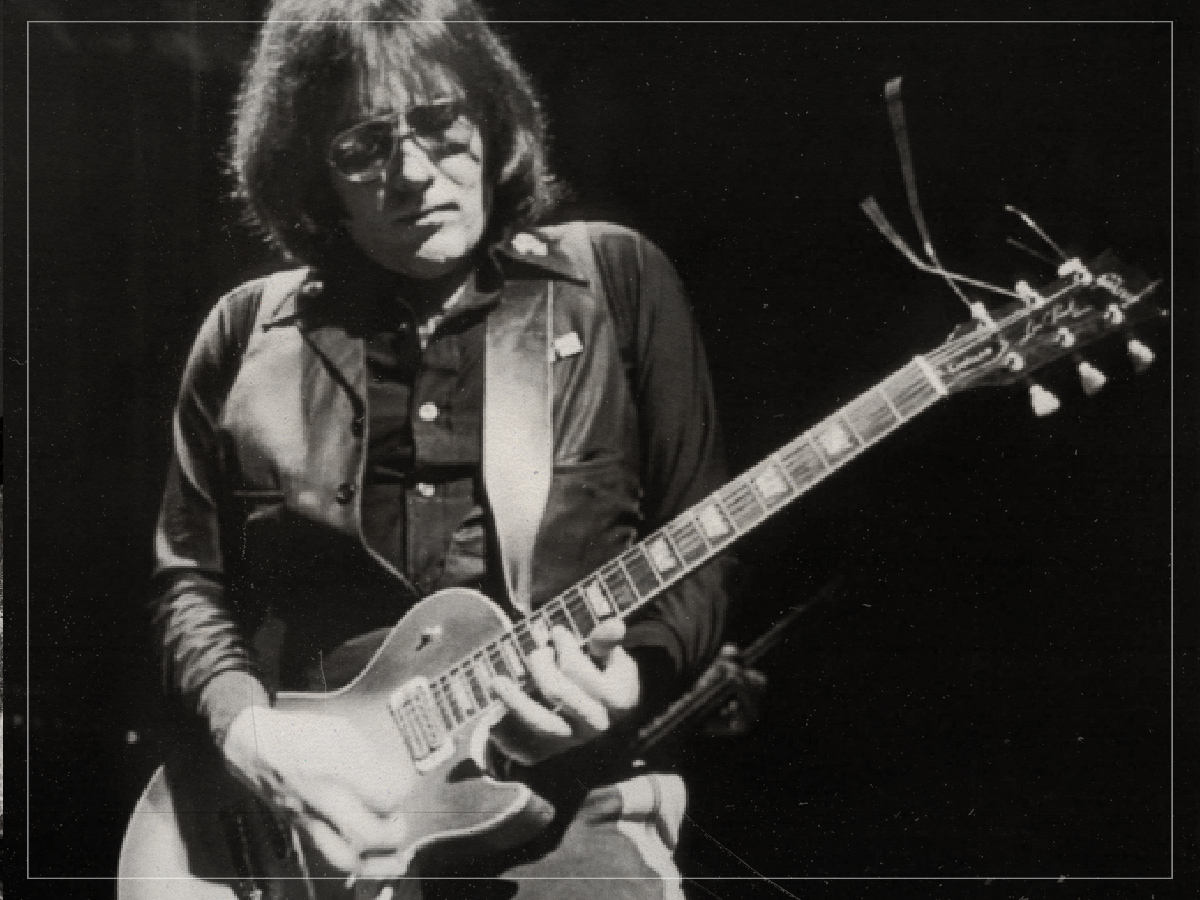
Although Iggy Pop has often denounced his reputation as the ‘godfather of punk’, the sight and sound of the scene would have been virtually impossible to achieve without the trailblazing garage rock stylings of The Stooges.
Offering an essential antidote to the ‘peace and love’ hippiedom of the late 1960s, the Detroit outfit were louder, wilder, and more anarchic than anything that had gone before, and although it’s often Iggy Pop who gets all the credit, Ron Asheton was utterly essential in establishing the sound of The Stooges.
A true music obsessive, Asheton spent the vast majority of his childhood glued to his guitar or soaking up as many different musical influences as humanly possible. When he co-formed The Stooges in 1967, then, he already boasted enough six-stringed experience to make Jeff Beck blush, and he wasted no time in injecting that experience into The Stooges’ output.
From the amphetamine aggression of ‘Search and Destroy’ to the multi-layered mastery of Fun House, Asheton’s guitar skills are a constant throughout The Stooges’ discography. In fact, if you can divert your attention from the writhing shirtless ball of energy that is Iggy Pop for a few moments, it is not overly egregious to claim that Asheton was among the greatest American guitarists of the 1960s.
Patti Smith
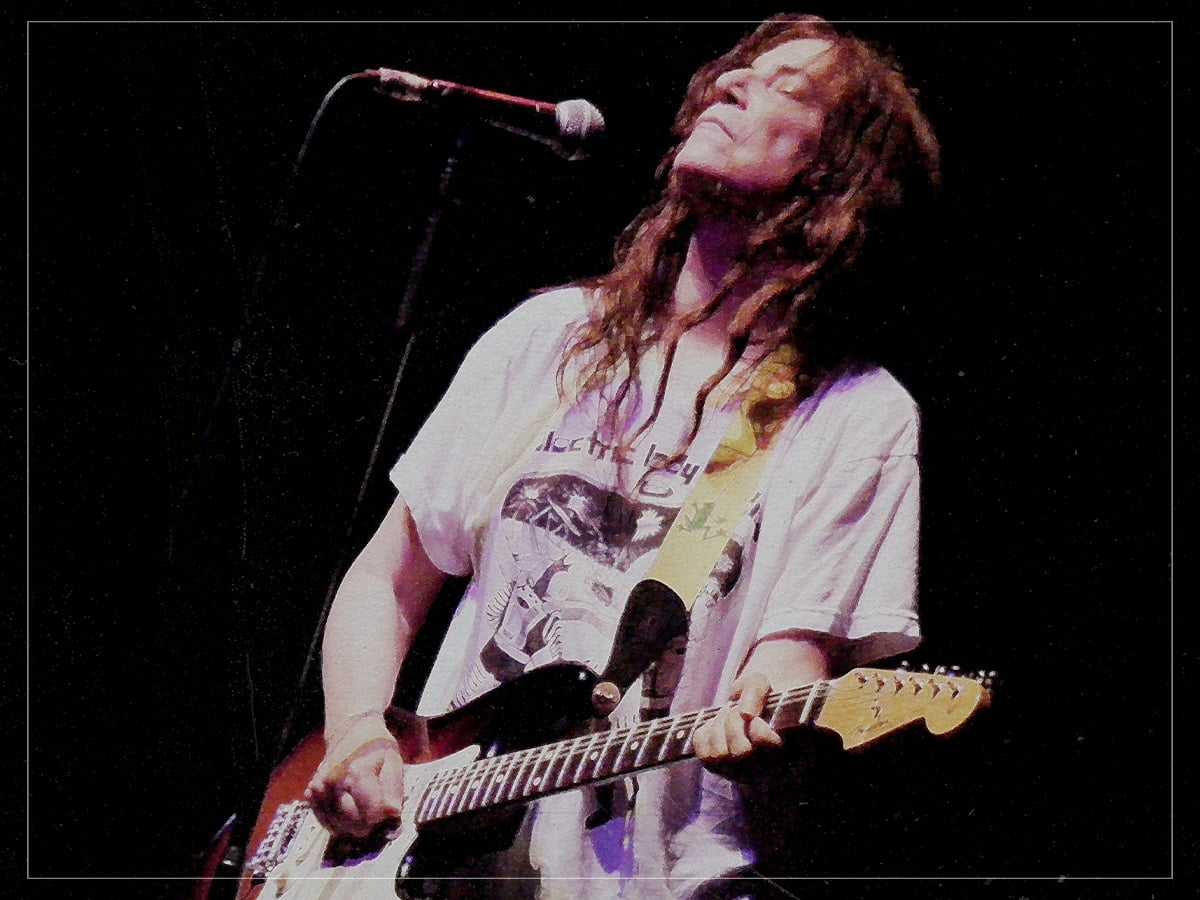
Despite what John Lydon would have you believe, Patti Smith was an essential figure during punk’s early days. Emerging from the sticky, rat-infested stage of New York’s CBGB club, Smith helped introduce the city to the power of abrasive, discordant, and confrontational rock and roll. Horses was one of the very first true ‘punk’ albums to hit the airwaves, and it still remains one of the scene’s true masterpieces.
Nevertheless, Smith didn’t travel to New York with dreams of becoming the queen of punk. It was back in 1967, during the summer of love, that the future musician relocated to the Big Apple, and her initial ambition was to become an artist and writer.
In comparison to her CBGB contemporaries, Smith’s songwriting skills were unmatched – you only need to read any one of Smith’s many poems to realise the literary skills boasted by the Chicago native, but, as luck would have it, the blossoming punk became her introduction to the world.
Topper Headon (The Clash)
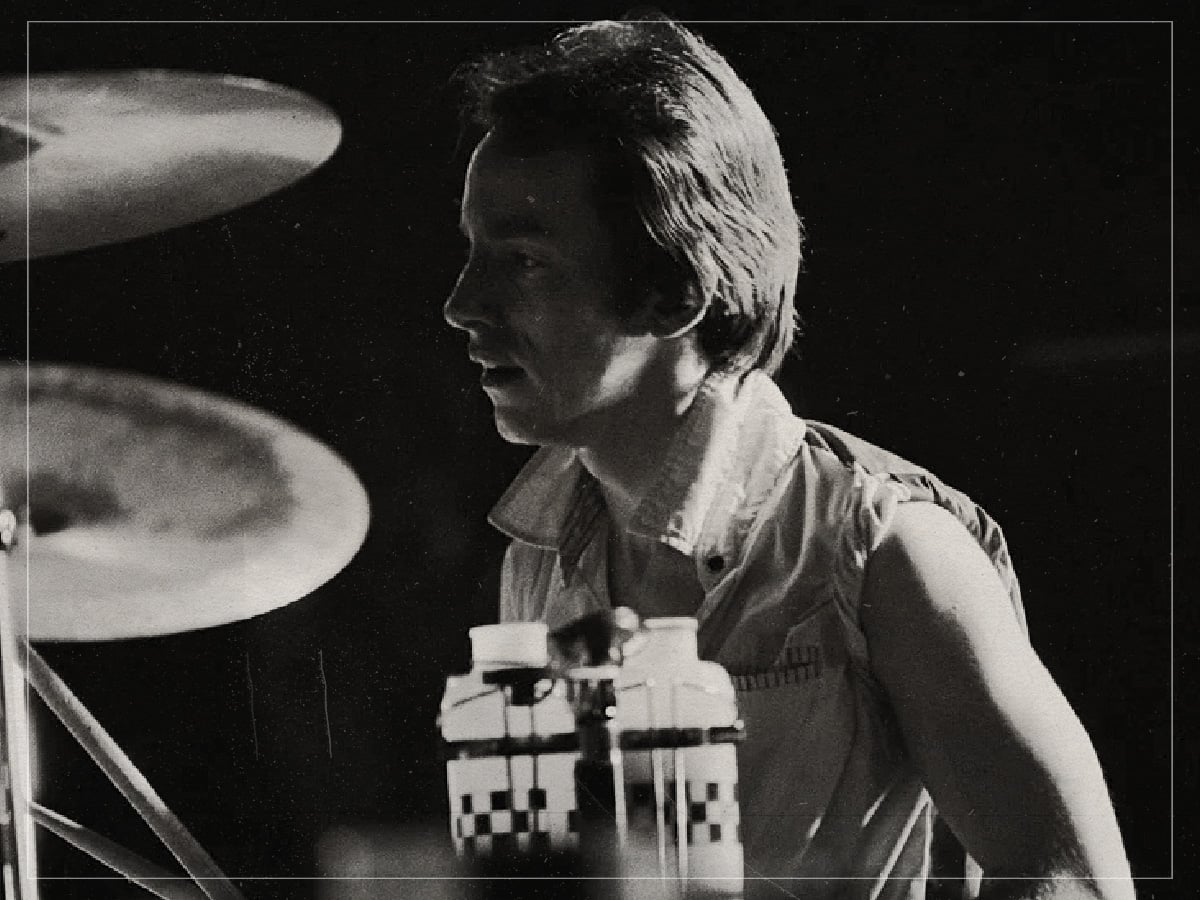
One of the head honchos of Britain’s early punk scene, The Clash oozed DIY in every aspect of their existence. When the group first got together, neither Mick Jones nor Joe Strummer nor Paul Simonon boasted much in the way of technical proficiency, but their anti-establishment attitude and defiant energy were enough to conjure up their incredible debut album in 1977.
Going forward, though, it was clear that the group needed somebody who truly knew their onions, and so Topper Headon was recruited as the band’s drummer. A classically trained jazz drummer, Headon cut his teeth within the realm of progressive rock, and his infallible percussive skills elevated the sound of The Clash beyond recognition.
It is no surprise that there is a steep rise in quality and experimentation within The Clash’s discography following Headon’s recruitment, and the multi-instrumentalist even managed to gift the band one of its most iconic tracks, in the form of ‘Rock the Casbah’, the music of which he carved out entirely independently.
Poison Ivy Rorschach (The Cramps)
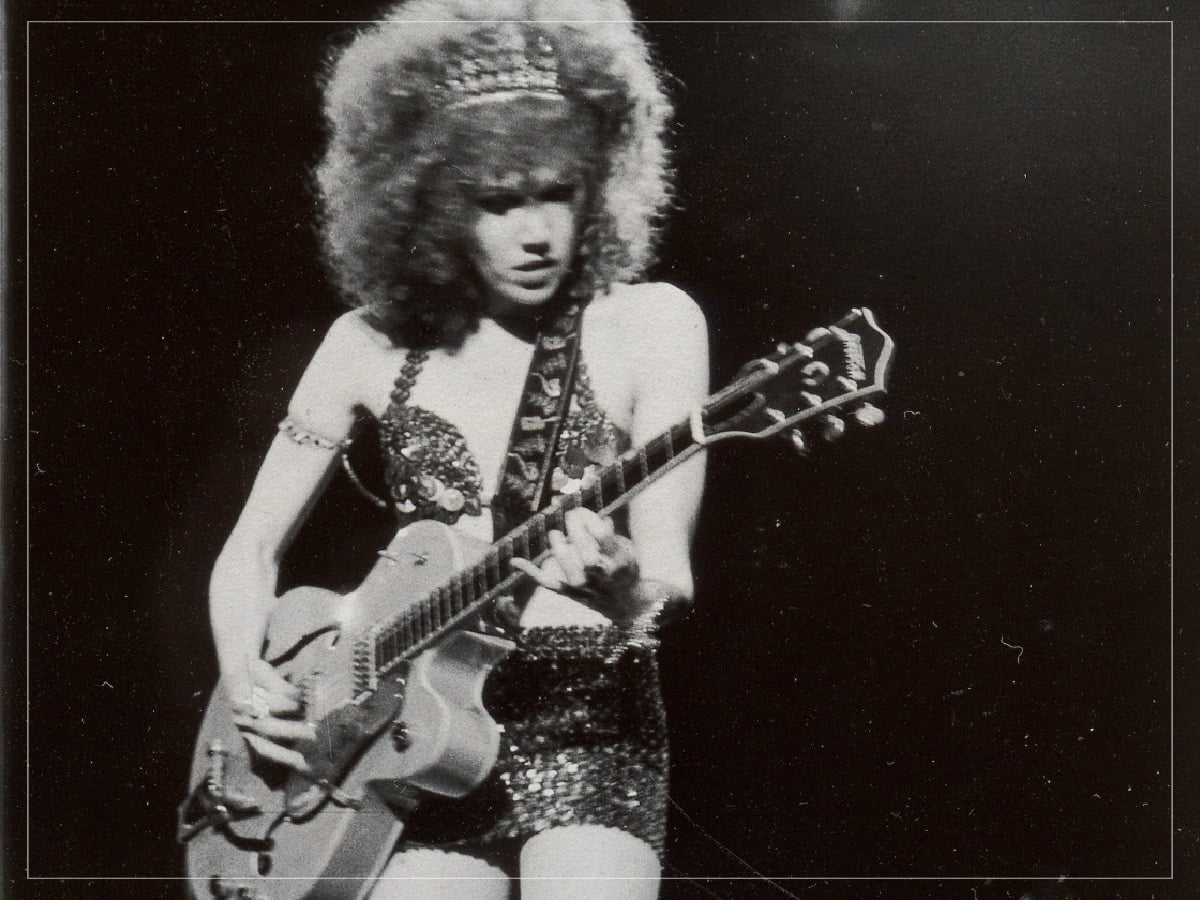
In a similar vein to Ron Asheton’s role in The Stooges, the musical skill of virtually everybody else who ever performed with psychobilly progenitors The Cramps are often overlooked in favour of the band’s wildly enigmatic frontman, Lux Interior. Always by his side, though, was the rock and roll weapon of Poison Ivy, the love of his life and perhaps one of the greatest punk guitarists of all time.
Throughout The Cramps’ extensive tenure, Poison Ivy blasted out an unimaginable wealth of rockabilly-inspired riffs, and she made it all look utterly effortless. Whether she was re-interpreting old-school rock ‘n’ roll riffs and giving them a punk edge dragged far from the 1950s, or knocking out entirely original compositions, Ivy’s guitar skills seemingly knew no bounds.
Although far too often underrated and routinely underutilised with The Cramps’ recording career, Poison Ivy Rorschach is inarguably among the genre’s greatest six-string masters, and who knows, had she been born a few decades prior, she might have even given Chuck Berry a run for his money.
Vicky Aspinall (The Raincoats)
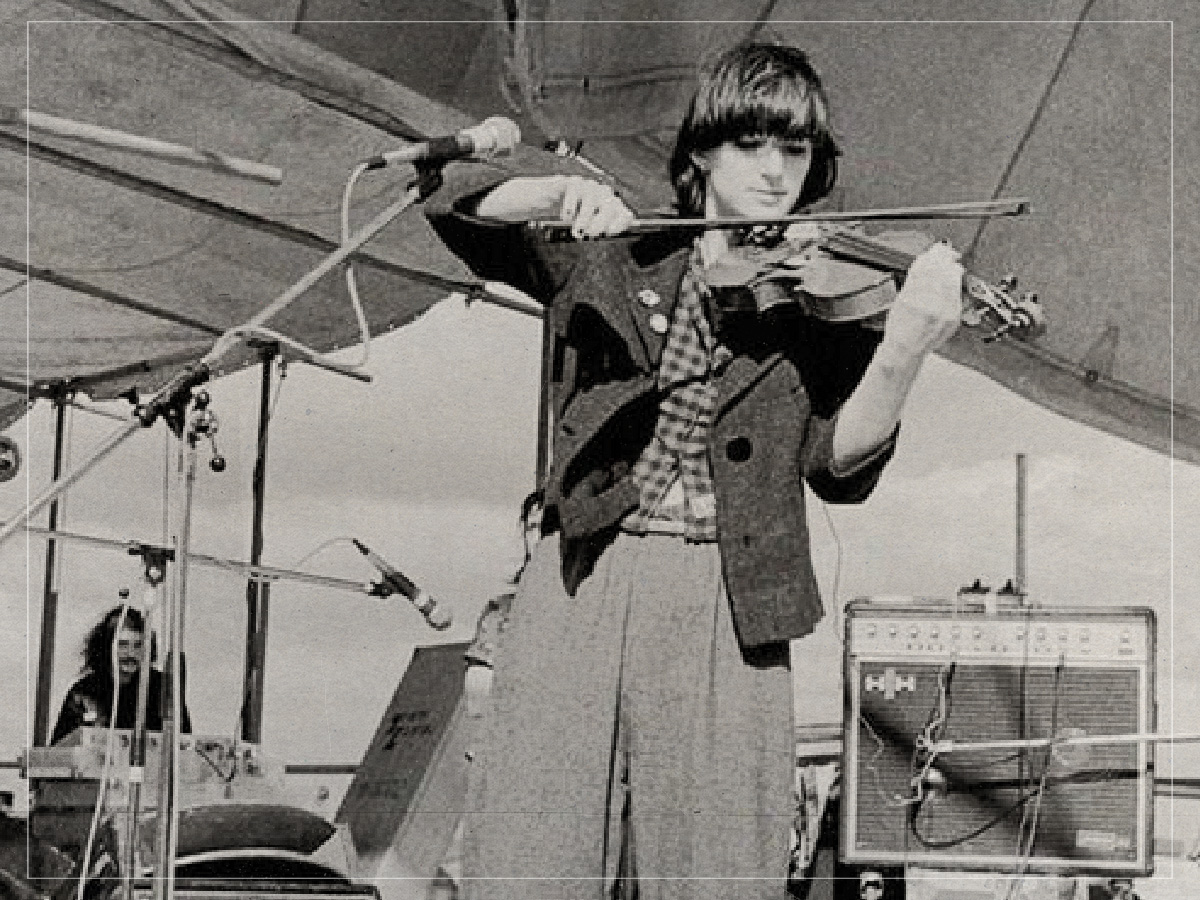
Guitar, bass, drums – that is the set-up of virtually every punk and garage rock outfit, and has been since the earliest origins of the genre. After all, those instruments tend to be abundant and, without wishing to generalise, they tend to be easier to pick up than, say, the oboe. When the age of post-punk rolled around, though, it brought a much wider breath of instrumentation, and the legendary sound of The Raincoats was supported by the incredible Vicky Aspinall on violin.
Classically trained and with a degree from the Royal College of Music, no less, you would be forgiven for thinking that Aspinall would go on to perform in high-brow orchestras or string quartets, rather than being thrust to the forefront of the post-punk scene. With The Raincoats, though, her violin skills added an entirely new layer of intrigue to the band’s already individualistic sound.
Out of all the musicians on this list, Aspinall is perhaps the most overtly overqualified. After all, there can’t have been many other musicians in the damp grassroots venues of punk or post-punk who had spent time at the Royal College of Music. In the end, though, her work with The Raincoats and beyond – establishing Fresh Records and Lovestation – it is fair to say that she ended up having a much greater impact on the musical realm than if she had pursued classical music.

Never Miss A Beat
The Far Out Punk Newsletter
All the latest Punk content from the independent voice of culture.
Straight to your inbox.