


Five movies that would be twice as good if they were 15 minutes shorter

As the old saying goes, “it’s how you leave ‘em”. The ending of any story is crucial, especially for movies, as a great conclusion can elevate a mediocre affair to a good one or solidify something as a bona fide classic. Conversely, a bad ending can sink the entire thing.
Plenty of big-screen delights have been ruined by a bad final act: Trope-heavy dialogue, implausible events, unbelievable twists, so many things can tank a film’s ending. If only we could just scrap the last quarter-of-an-hour or so…
For the purposes of this list, the final 15 minutes of these films no longer exist. Their new endings are much better, more concise, definitely more satisfying, and almost entirely devoid of studio-suggested nonsense.
Disclaimer: There will be serious spoilers ahead. Also, 15 minutes is just a catch-all term for ‘the last bit of the film’. Don’t try to time it out the next time you’re watching any one of these; nobody likes a smart arse.
Five movies with better suggested endings
‘Carnival of Souls’ (Henk Harvey, 1962)
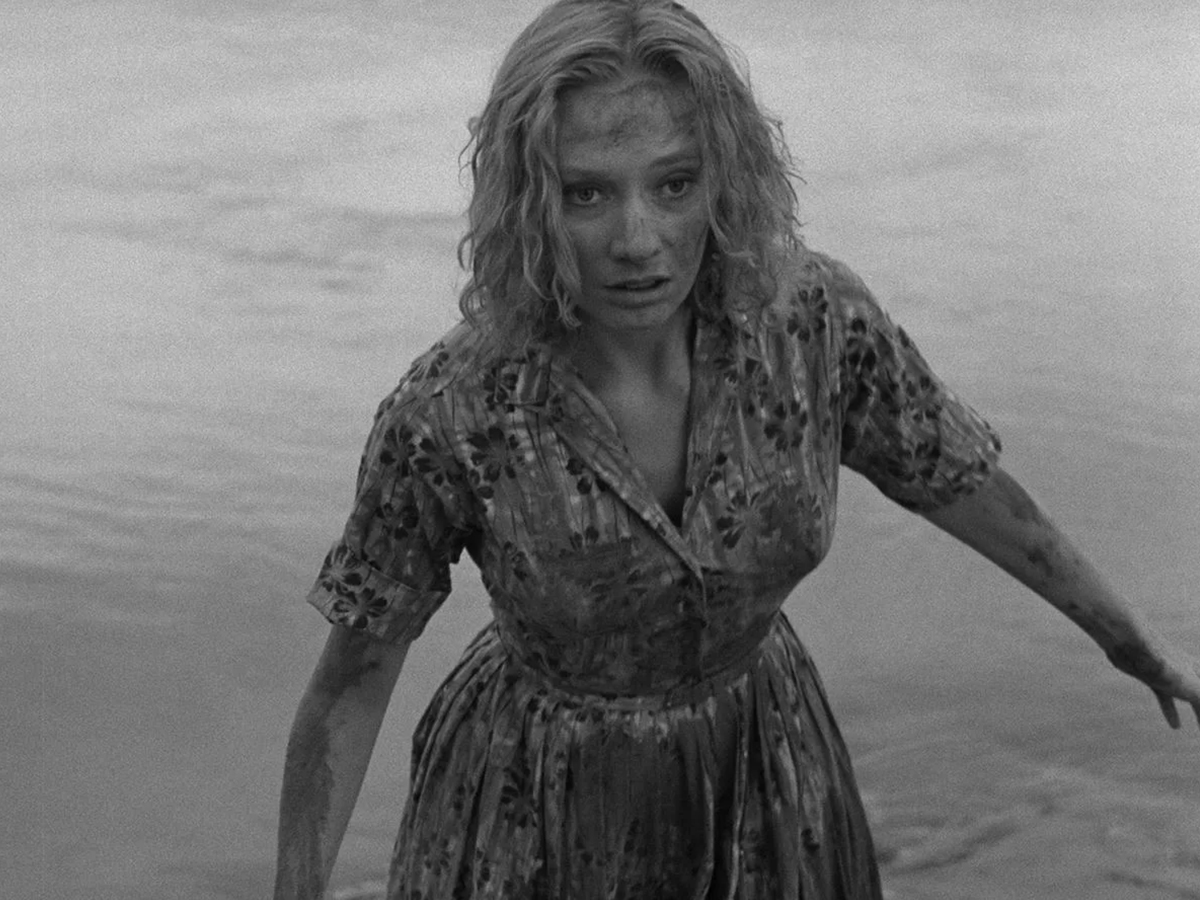
It may not be a household name, but ask a horror fan to tell you about Carnival of Souls, and you’ll lose the next hour of your life. The first and only feature film directed by Henk Harvey, who also stars in the piece as a mysterious, silent man who continuously appears in the life of a church organist, played by Candace Hilligoss. The film explores a number of themes, including religion, vice, and the very concept of a soul, as the organist, Mary, struggles to cope with the mental trauma caused by her supernatural stalker.
The film, which would go on to inspire David Lynch among others, should have ended with Mary visiting the abandoned theme park that provides its name. She is chased by a number of strange, pale-faced humans, who swamp her and presumably absorb her into their ranks. The chance to leave audiences questioning what happened to the heroine is ruined just a few minutes later, however, as the film cuts back to the scene of a car crash that Mary ‘survived’ at the beginning of the story. The vehicle is pulled from a river, revealing her body still inside. The whole ‘she was dead all along’ ending is deeply unsatisfying, especially as they had the chance to do something much more open-ended and interesting.
‘Flight’ (Robert Zemeckis, 2012)
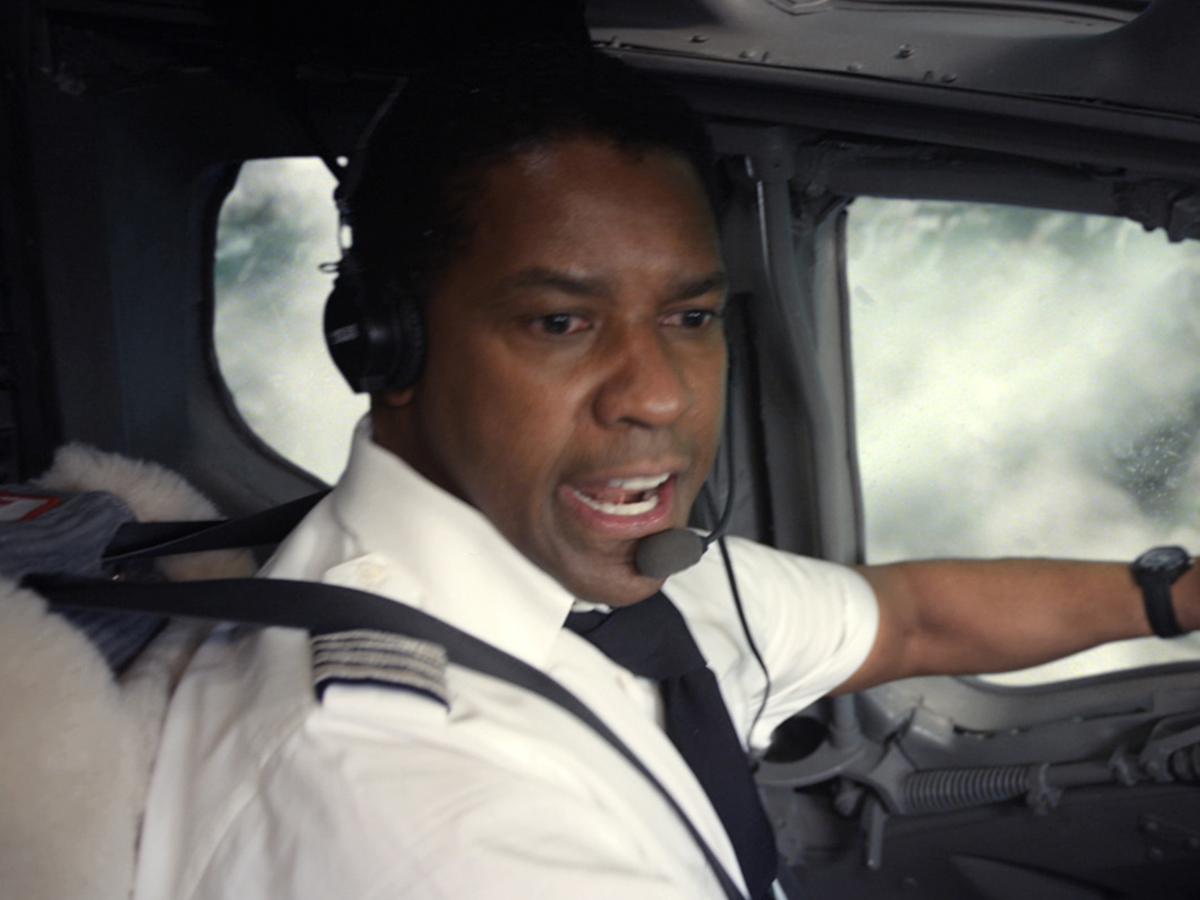
One of the last great movies to come from the mind of Robert Zemeckis, Flight casts Denzel Washington as a so-called ‘heroic’ pilot with a massive secret. William ‘Whip’ Whittaker manages to avert certain disaster when the plane he is flying malfunctions. His heroics, which include flying the plane upside down, save most of the passengers, but increased public attention on Whittaker threatens to reveal a turbulent personal life and his major issues with alcohol. It’s a very nuanced drama with a stellar lead performance from Washington, but it could have been even better.
The film ends with Whittaker in prison, having confessed to being drunk on the job. It’s meant to show that he has atoned somewhat for his misdeeds, but a more powerful ending would have been the pilot having to live with the consequences of his actions. If audiences were left wondering how Whittaker was going to cope with the guilt moving forward, especially in light of one of his cabin crew failing a drug test, then the ending of Flight would have stuck with them for way longer than this straightforward reveal. People don’t always need a conclusive answer.
‘Now You See Me’ (Louis Leterrier, 2013)
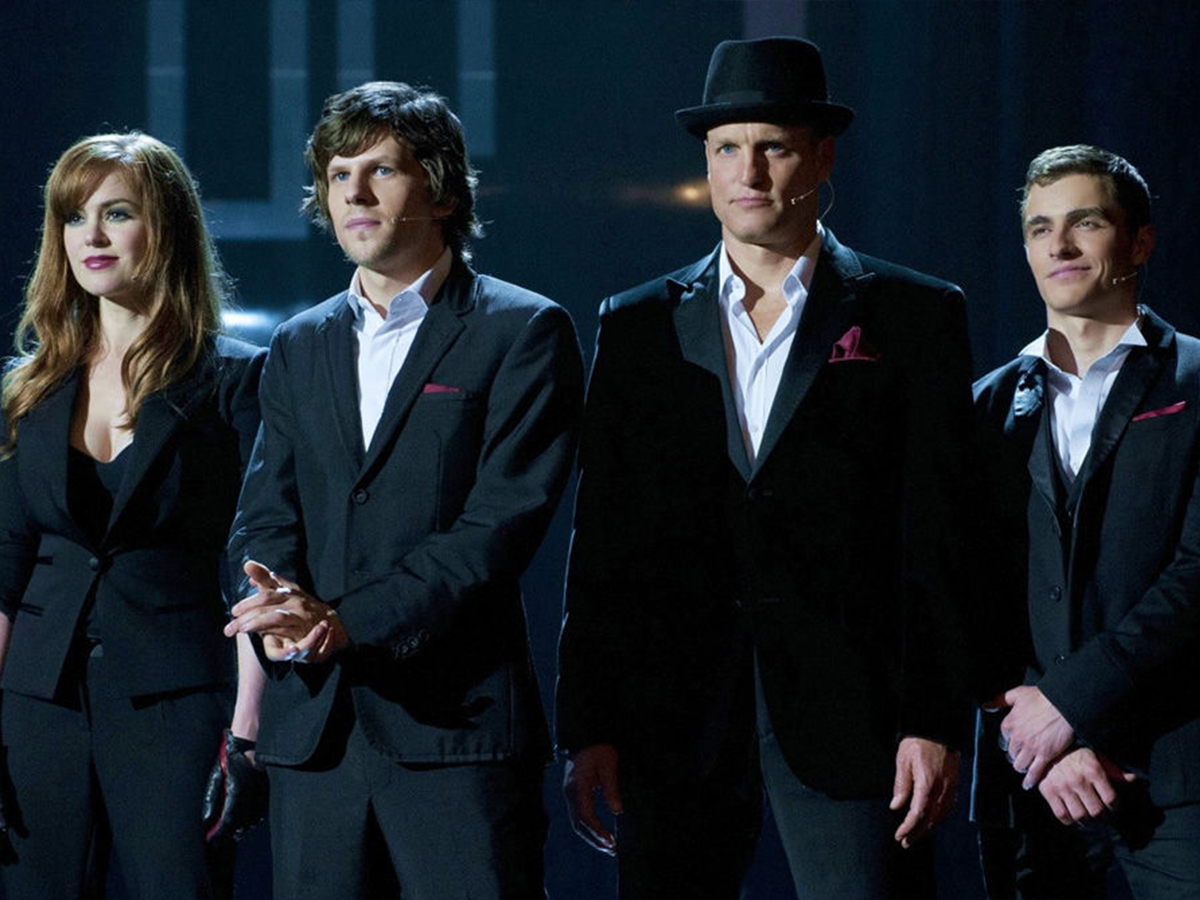
With a third film in the series generating headlines in 2025, let’s look back at the movie that started it all. Now You See Me follows an FBI agent called Dylan Rhodes, played by Mark Ruffalo, on the tail of a group of stage magicians who use their skills to commit high-stakes heists. ‘The Four Horsemen’—Jesse Eisenberg, Woody Harrelson, Isla Fisher, and Dave Franco—present themselves as a band of Robin Hoods, stealing from large corporations and giving the money back to their audiences. This idea, plus the unique crossover of magic and heist tropes, found a large fan base. However, even the biggest fans of the film would struggle to defend its ending.
The revelation that Rhodes was actually a mole for The Horsemen the entire time was a little confusing and made no sense, under any sort of scrutiny, but at least it would have made for a punchy, eye-catching ending. Unfortunately, the film then goes mad. Franco’s Jack Wilder is revealed to have faked his own death as part of the convoluted scheme; there’s even an insinuation that the ‘magic’ the group have been practising is actually real. It goes totally off the rails in its final few minutes, which really harms the rest of the novel narrative.
‘Invasion of the Body Snatchers’ (Don Siegel, 1956)
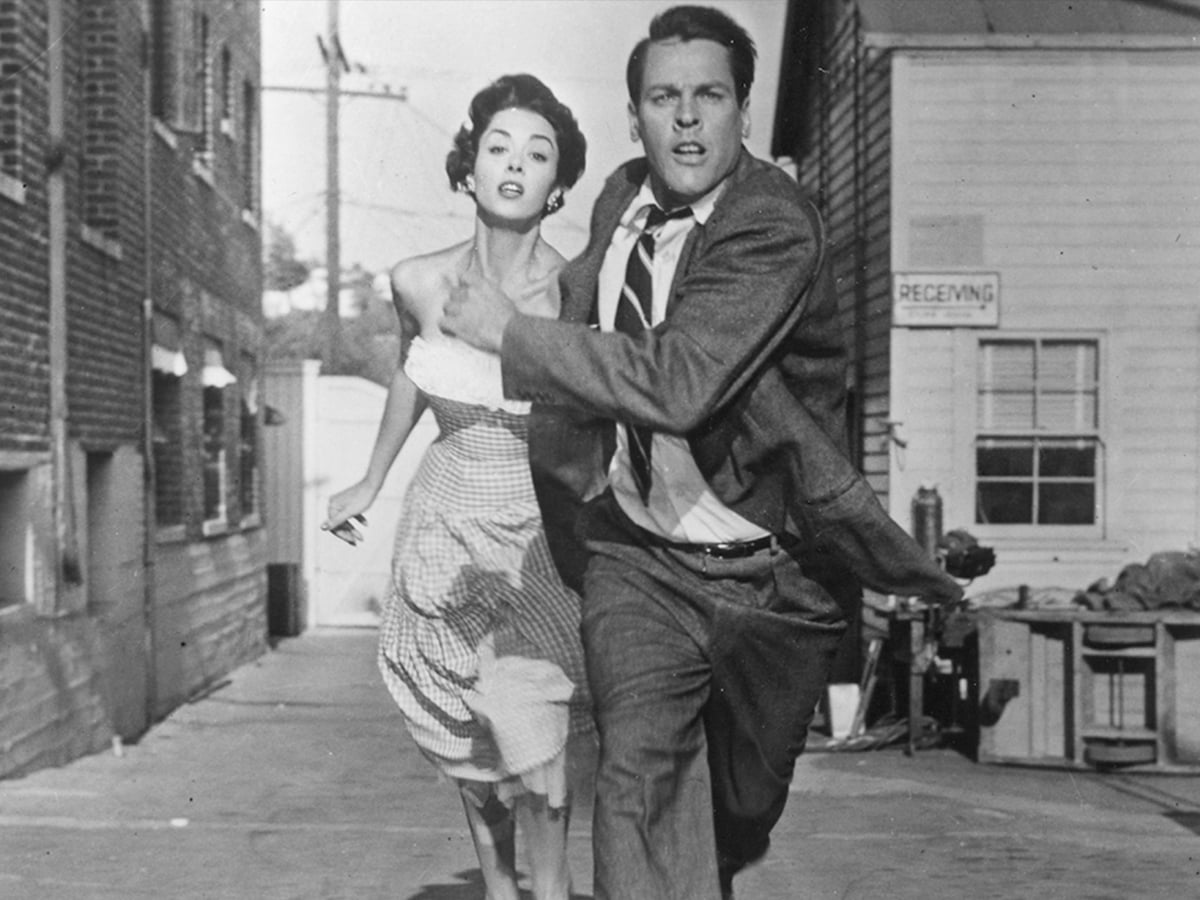
This one is a little complicated. The original version of Invasion of the Body Snatchers is widely regarded as both a sci-fi and a horror classic. Based on a novel released two years prior, the film takes place during an assault on Earth by a group of aliens. Referred to as ‘pod people’, a term that has since entered public lexicon, the evil ETs can create a perfect replica of anyone, hence the name of this gripping tale. The original idea for the story was to end on a dark, downbeat note for humanity, but then those darned censors stuck their noses in.
Concerned that audiences wouldn’t respond well to this depressing finale, Allied Artists Pictures demanded that a happier one be crafted. A new prologue and epilogue were added, showing that the authorities had managed to contain the pod threat before it spiralled out of control. Cut this bit out, and you get something that looks much more like the original vision, which was to have humanity overwhelmed by the menace from beyond the stars. The new ending feels abrupt and unearned, especially to the modern eye. They should have stuck with the sad one.
‘Remember Me’ (Allen Coulter, 2010)
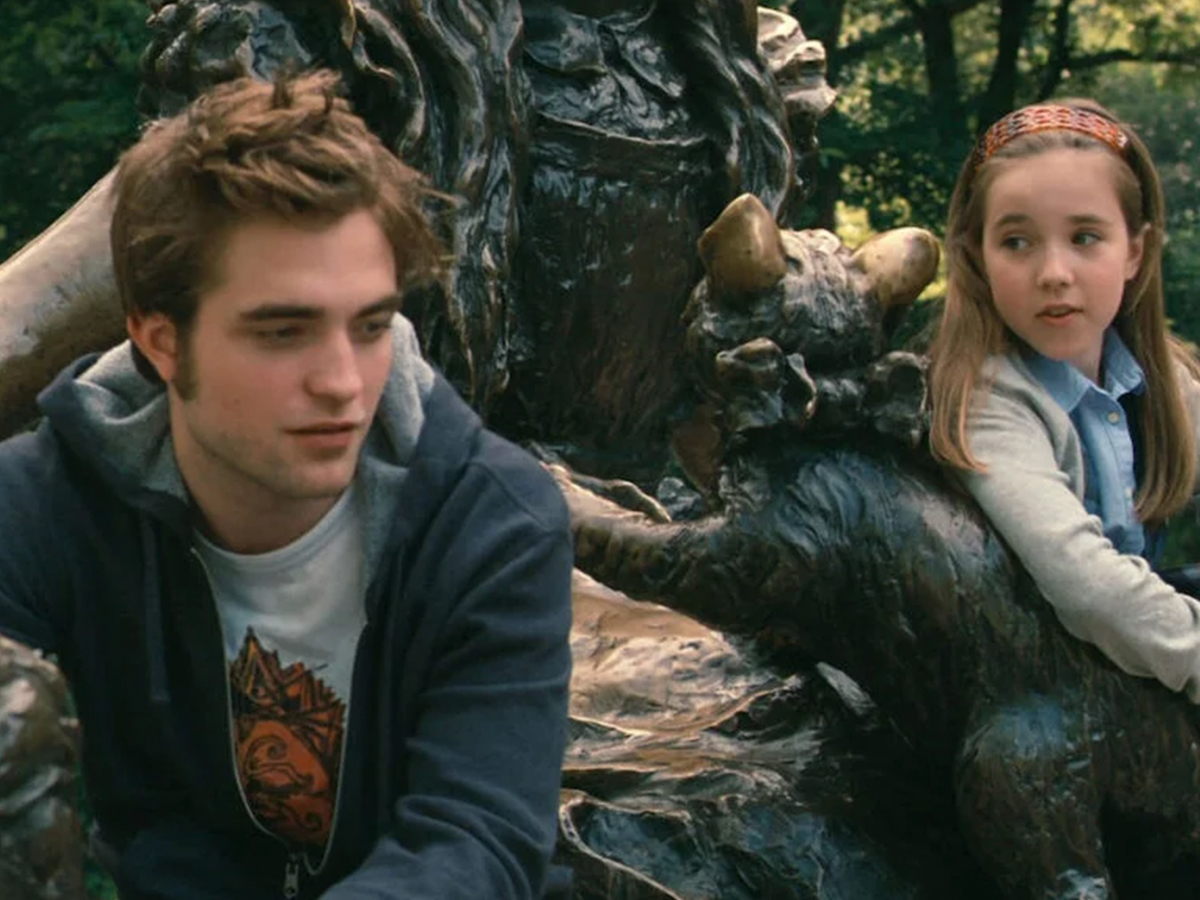
Oh boy, this is a big one. Remember Me is infamous for its ending, which brings a whole new meaning to the phrase ‘from out of nowhere’. It looks like it’s all coming together for Robert Pattinson‘s Tyler Hawkins. He’s just gotten together with the love of his life, Ally, played by Emilie de Ravin, and has seemingly mended his relationship with his father, Pierce Brosnan’s Charles. In fact, he goes to visit his pops at his office…which is in the World Trade Centre…on September 11th, 2001.
The ‘9/11 twist’ is a total sideswipe that has been the subject of more than its fair share of memes since the film was released. Screenwriter Will Fetters was clearly going for a shock ending, but this one was a step too far. In fact, it was several. Also, there was no need to go this dark. Tyler and Ally had already been through heaps of trauma in their lives, so would it have been that bad to just give them a happy ending? One that didn’t involve a major national tragedy? It’s a bold idea, I know, but it just might have worked.
