


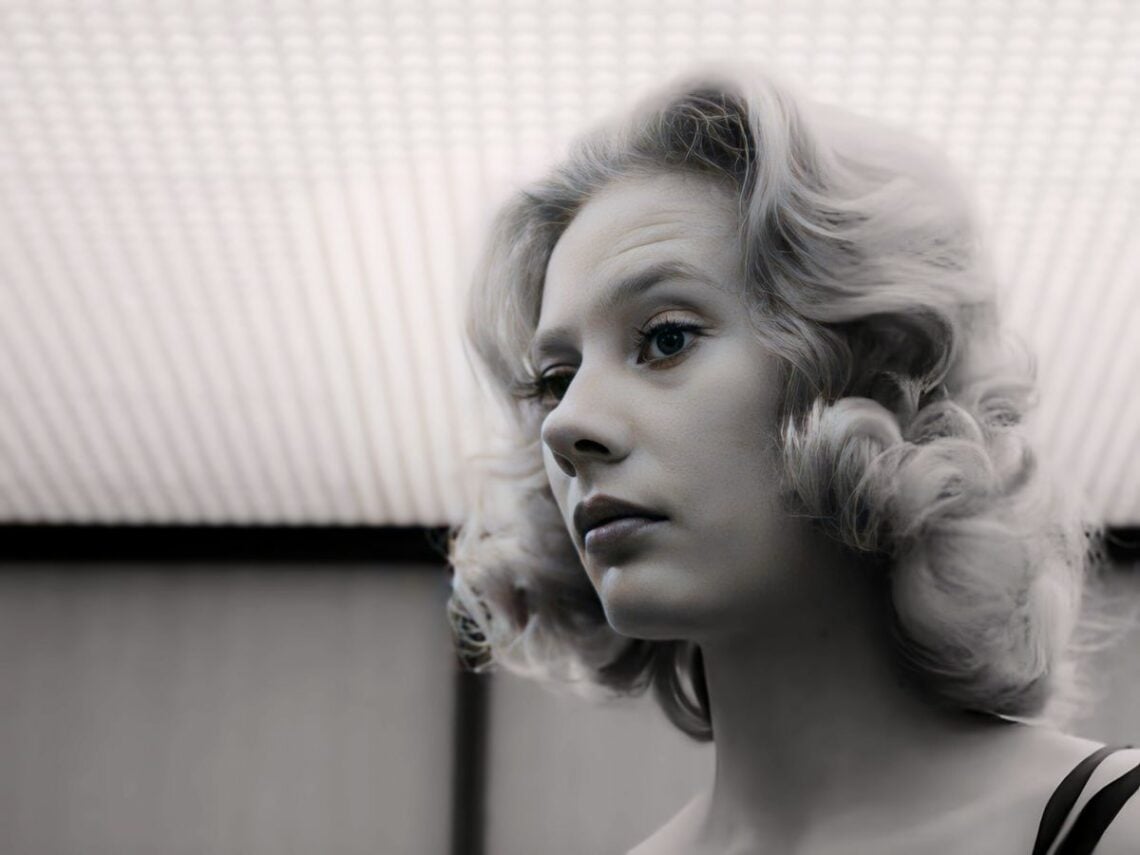
‘Carnival of Souls’: the proto-feminist indie horror movie that inspired David Lynch

The horror genre owes much of its development to independent filmmakers who pushed the boundaries of their small budgets and used innovative techniques to make movies that were genuinely scary. From John Carpenter with Halloween to Sam Raimi with The Evil Dead, many of the most iconic and influential horror movies have been made outside of the Hollywood studio system.
However, one of the most influential independent horror movies ever made is much less widely known, instead becoming a cult favourite responsible for inspiring movies by directors like David Lynch. Even Lana Del Rey sampled a line from the film in her 2017 song ‘13 Beaches’.
Carnival of Souls, released in 1962, was the only feature directed by Herk Harvey, using a budget of just $33,000. While today this would be around $280,000, that is still a minuscule budget for a feature. Yet, Harvey did what he could to stretch his budget as far as it would go, such as filming without permits and even starring as one of the characters himself.
The movie has a DIY charm, but it is this that helps it become even more unnerving and creepy. Let’s face it: glossy Hollywood horror movies are never as scary as indie ones, which typically feel grimier and more realistic – The Texas Chainsaw Massacre is a great example of this. Carnival of Souls used inexperienced actors, such as Candance Hilligoss, who portrayed the lead character, Mary Henry.
Mary is the sole survivor of a car accident, much to the bewilderment of everyone around her. She tries to start her life again as a church organist, despite not being religious, finding herself increasingly unable to connect with those around her. She wants to be left alone, and her depression leads her to seek out therapy. Her poor mental state manifests in her entering a trance in one scene and constantly seeing a ghostly male figure following her.
Carnival of Souls is often regarded as an early feminist horror due to its complex and frank depiction of mental illness, with Mary’s issues being taken seriously at a time when many people would simply label women as hysterical and crazy. Moreover, Mary’s wariness towards men is emphasised when a creepy man propositions her and won’t leave her alone, with the film deliberately highlighting the sexism and repressive male forces that women face on a day-to-day basis.
The movie was an obvious influence on David Lynch, who made his own black-and-white horror that explored themes of mental illness in 1977 with Eraserhead. Fans of Lynch have also drawn parallels between scenes and characters from his movies and Carnival of Souls, as well as themes such as the oppressive treatment of women, dreamlike states, and uncanniness.
For example, The Man who haunts Mary has dark, shadowy eyes and a sly smile on his face, just like The Mystery Man in Lost Highway. Additionally, the scene in which Mary emerges from the water looking dishevelled mirrors the moment we see Ronette Pulaski in the first episode of Twin Peaks. While these could be mere coincidences, the innovative influence of Carnival of Souls over many other filmmakers, such as George A. Romero, suggests otherwise.
Watch Carnival of Souls below.
