


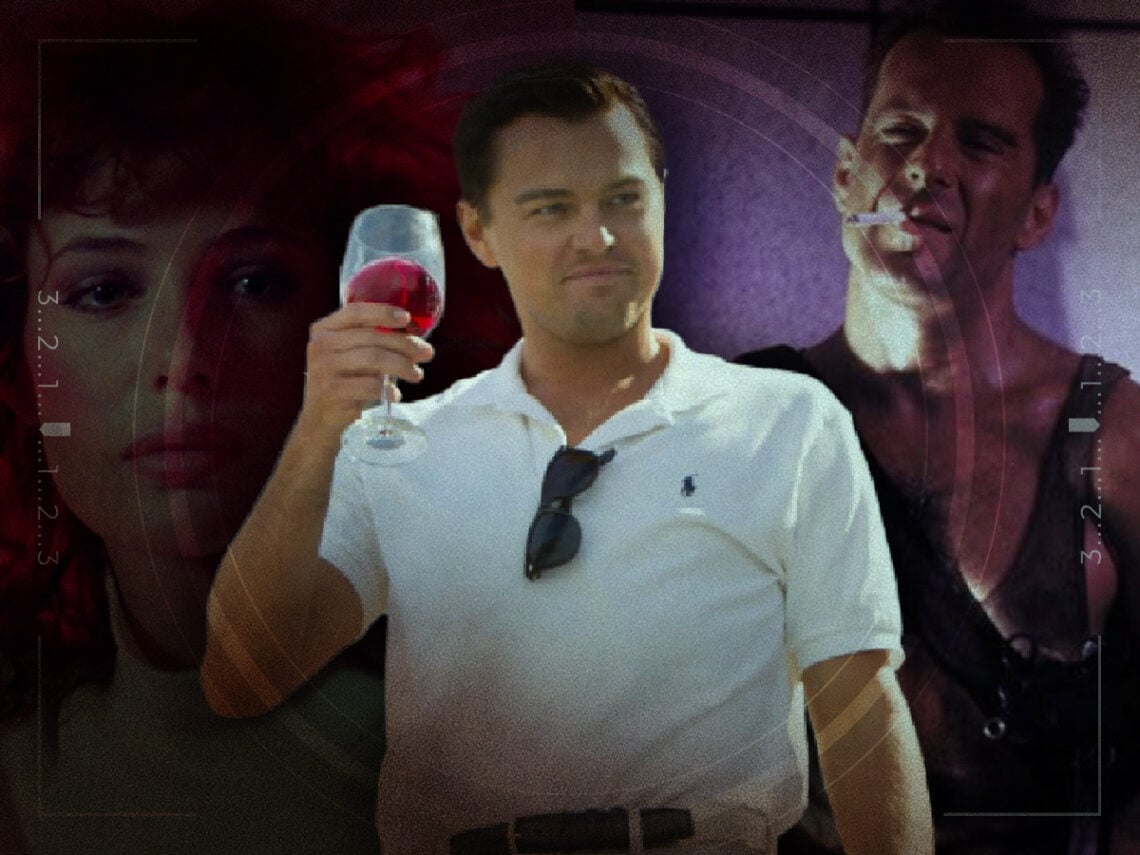
Five movies that surprisingly pass the Bechdel test

In 1985, cartoonist Alison Bechdel published an issue of her comic strip, Dykes to Watch Out For, which featured a character laying down a set of rules to determine which films she would and wouldn’t watch, and thus, the ‘Bechdel test’ was born.
This set of criteria, also known as the ‘Bechdel-Wallace test’ after the cartoonist’s friend Liz Wallace, has since become a byword for grading a film’s feminist qualities, where if a movie passes the test, it’s generally viewed as containing positive reflections of women.
However, as you’re about to find out, this isn’t always the case, because while some incredibly pioneering movies can’t get past it, other films that treat women like dirt pass with flying colours, and today, we’re focusing on the latter, trying to unpack why the test is a good idea in principle, but deeply flawed in execution.
A reminder of the rules of the Bechdel test: Simply put, to pass, a movie must feature at least two named female characters who must talk to each other, and it has to be about something other than a man.
Five surprising movies that pass the Bechdel test:
‘American Pie 2’ (James B Rogers, 2001)
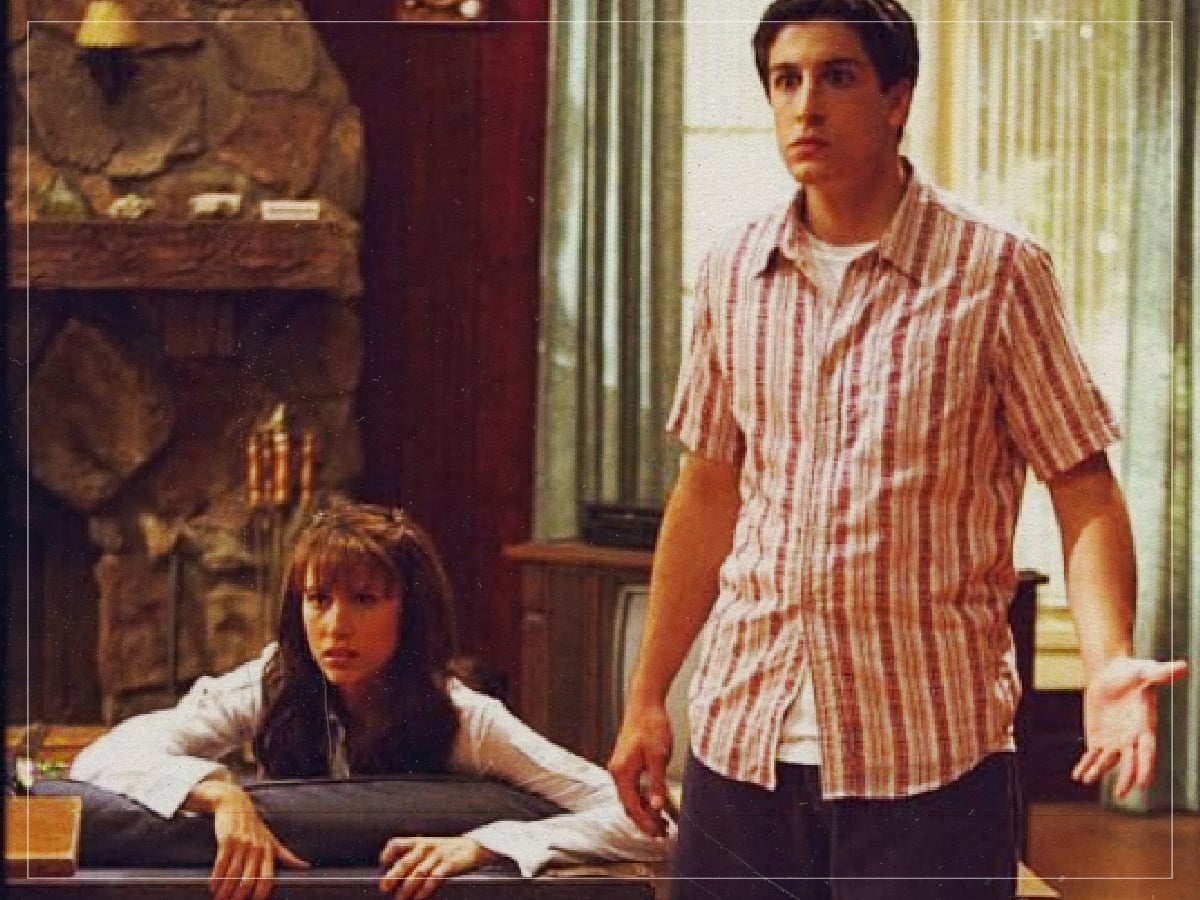
If you grew up in the late 1990s/early 2000s, then your adolescence was almost certainly shaped by the American Pie franchise, and for that indelible damage, I’m so sorry. The adventures of a group of awkward, sex-crazed teens gave the world the word ‘Milf’ and changed the way people view pastry forever, which naturally makes it not a shining example of feminist filmmaking. While there are plenty of female characters, they are almost always viewed through the lens of male fantasy, wherein they are either promiscuous, virginal, or somehow both. It’s not like the male characters are written to be any deeper, but the point still stands.
Shockingly, the first two films in the series perform quite well on the Bechdel test. There is some debate about whether the first one passes all three requirements, as there is a scene in which Tara Reid and Natasha Lyonne’s characters discuss masturbation, but the sequel, which was released in 2001, definitely fulfils the brief. It’s aided by the characters of Lisa Arturo’s Amber and Joelle Carter’s Natalie, otherwise known as ‘The Lesbians’. When they’re not the butt of outdated jokes, the two do talk about clothes and other ‘girly’ things, which technically means it passes the test.
‘Die Hard’ (John McTiernan, 1988)

If you’re looking for the most macho Christmas movie of all time (yes, I am bringing this up), then look no further than John ‘Ho Ho Ho’ McClane, a bloke in a dirty tank top crawling through vents, running through broken glass, and gunning down international terrorists all to rescue his estranged wife from Professor Snape; it doesn’t get manlier than that. Come to think of it, there aren’t any women in Die Hard other than Holly Gennaro-McClane, and none of the terrorists is female, nor is any of the cops outside Nakatomi Plaza, so what possibly passes this ode to testosterone by the Bechdel test?
In one of the cheekiest examples on this list, Die Hard’s success hinges on one single line of dialogue. Before everything goes to shit, Bonnie Bedelia’s Holly talks to her secretary about the upcoming Christmas party, where she refers to her by name (Ginny) and asks her to finish up for the night; that’s it. And yet, by the test’s own rules, that’s enough to score a passing grade, and while some people quibble over the use of “Ebeneezer Scrooge” in this discussion, he’s being used as a simile, and is not the topic of conversation.
‘Superbad’ (Greg Mottola, 2007)
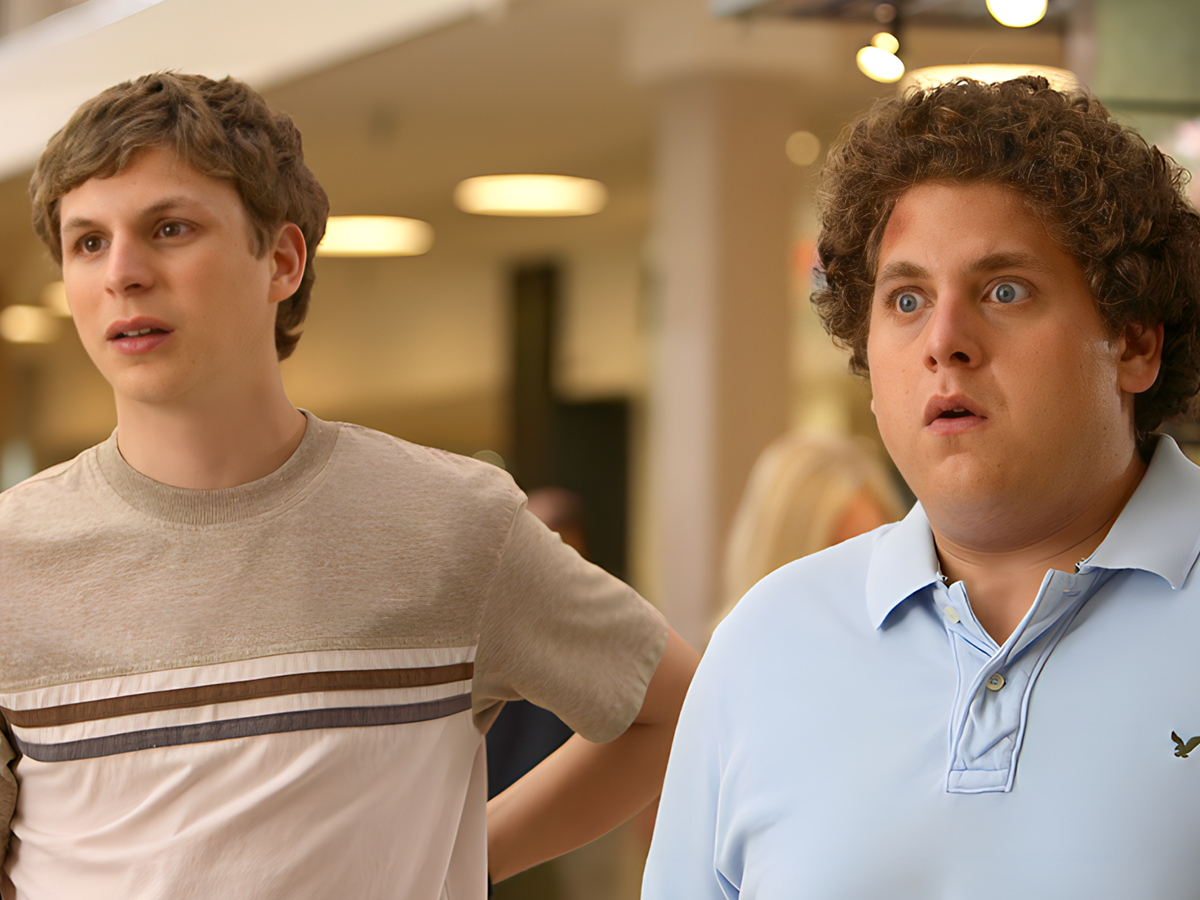
When Olivia Wilde released Booksmart in 2019, many heralded it as ‘Superbad for girls’, and not just because it starred Beanie Feldstein, real-life sister of Jonah Hill, but this tag was so applicable because the older teen comedy was painfully male-oriented. The entire point of the film is to get Seth (Hill) and Evan (Michael Cera) laid, with Jules (Emma Stone) and Becca (Martha MacIsaac) serving as their intended targets. The boys are a lot nicer to their love interests than their American Pie counterparts, but the women still exist almost solely within their orbit, and through their perceptions of them.
Whether or not Superbad passes the Bechdel test is hotly contested, with the debate surrounding one scene at the end of the film, when the four main characters meet in the mall, where Jules and Becca sort of talk to each other about giving the other a ride and buying a comforter, but it’s not explicitly clear if they’re also addressing the boys. Other commenters have singled out an earlier scene where Becca discusses a house party with a female friend, but it’s unclear if this girl has a name, so this too is a contentious one, but it might just scrape through by the skin of its teeth.
‘Weird Science’ (John Hughes, 1985)
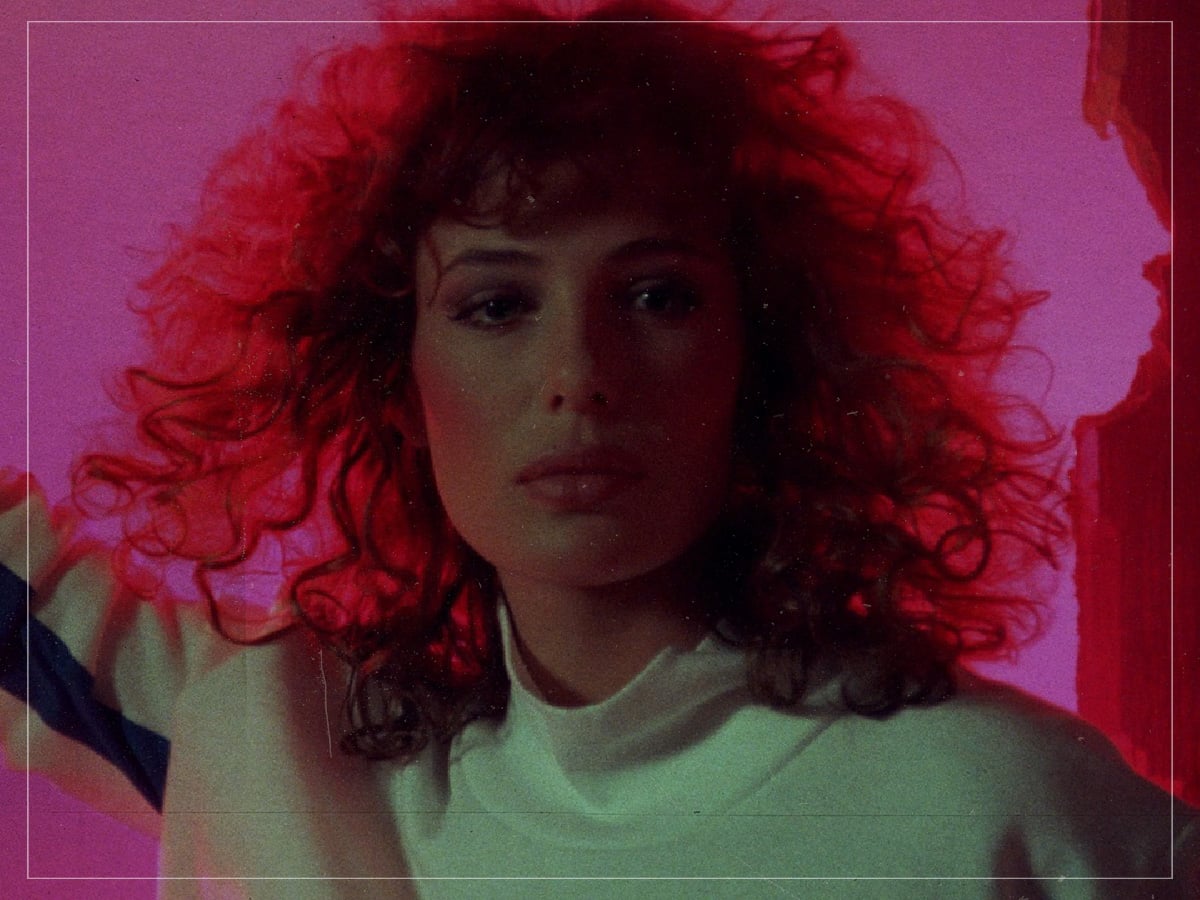
Based on its premise alone, you’d assume that Weird Science is one of the least suitable movies for the Bechdel test ever made. This 1980s cult classic centres on Gary (Anthony Michael Hall) and Wyatt (Ilan Mitchell-Smith), two teenage losers who have a negative chance of ever getting girlfriends on their own, so instead, they decide to build one. The end result is Lisa (Kelly LeBrock), an entirely artificial woman built to the boys’ exact specifications, and while yes, this did predict the rise in AI girlfriends we are living through at the moment, it still doesn’t make it any less creepy.
The film’s saving grace comes in the form of Deb (Suzanne Snyder) and Hilly (Julie Aronson), two cheerleaders who are girlfriends of thuggish jocks and objects of Gary and Wyatt’s affections, wherein, at a party, the guys see Lisa and Hilly have a jealous conversation about how perfect she is. Even though this chat doesn’t directly involve a man, it still plays into a negative stereotype about how all women see each other as competition, but this technicality makes Weird Science one of the least-likely champions of femininity of all time, yet with its hat in the ring.
‘The Wolf of Wall Street’ (Martin Scorsese, 2013)

If there’s one complaint that can be levelled at the films of Martin Scorsese, it’s that they rarely put women at the forefront. His typical oeuvre often revolves around ultra-violent, ultra-masculine worlds, with women often reduced to supporting love interest roles, and nowhere is this more apparent than in the “dude-heavy” landscape of The Wolf of Wall Street. Set in the male-dominated profession of stockbrokering, the film is supposed to be a satire of masculinity and the toxic effects it has on people, but whether it actually achieves that goal is another matter entirely.
Given that almost every female character in The Wolf of Wall Street is there to be exploited or ogled by men, the fact that it still passes the Bechdel test is the perfect example of why the test is flawed. Margot Robbie’s character, Naomi, talks to another trophy wife, MacKenzie Meehan’s Hildy, about the death of her aunt, as well as to her housekeeper (Johnnie Mae) for about five seconds. Nobody in their right mind would describe The Wolf of Wall Street as a positive portrayal of women, and yet it flies through the exam designed to determine that very status, so clearly, more work is needed.
