


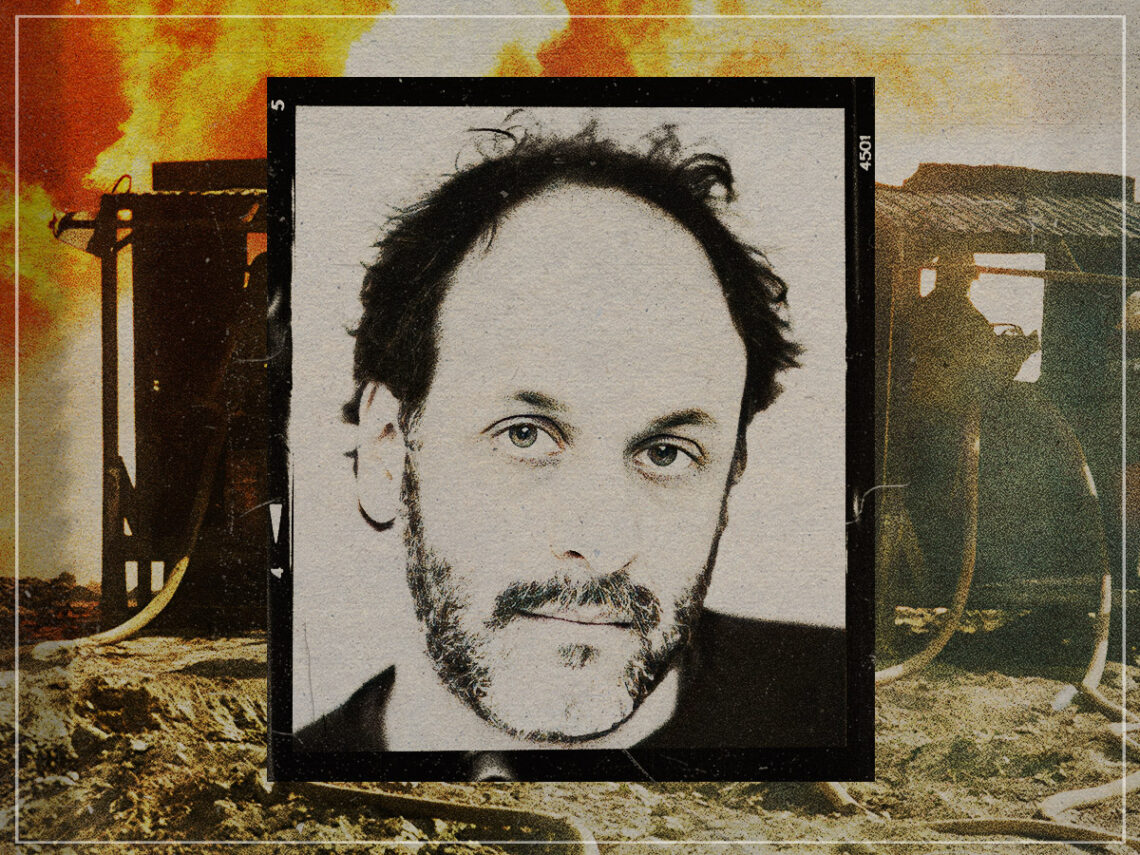
Five movies Luca Guadagnino considers masterpieces

Despite making his feature-length directorial debut in 1999, it wasn’t until almost two decades later that Luca Guadagnino garnered mainstream recognition. A Bigger Splash might have been his first movie to feature household names among the cast, but it was Call Me by Your Name that firmly positioned him on Hollywood’s radar.
Since helming the Academy Award nominee for ‘Best Picture’, Guadagnino has refused to be pigeonholed, having moved onto the phantasmagorical remake Suspiria, the cannibal love story Bones and All, and upcoming sports drama Challengers. Never one to take the most obvious or conventional path, the five films he named as being “masterpieces” to A.Frame offers an insight into his own creative mindset.
Not one of the more well-known classics, Guadagnino nonetheless anoints Yeelen as one of the masterpieces of 20th-century cinema, calling it “a movie of incredible beauty”. Set in the 1300s and revolving around a father and son’s opposing views on the latter’s magical powers, the director was left enthralled by how “it’s able to create magic out of the actual language of cinema, rather than having to resort to the banality of special effects”.
Ken Russell’s literary adaptation Women in Love accomplishes something that Guadagnino finds “difficult to achieve” in that it manages to “identify the language of the novel as well as the cinematic translation of it”. Labelling it “an incredible movie about the male identity and the possibility of men embracing the fullness of sexuality,” the influences on his own work are clear.
There’s always a high probability of Steven Spielberg appearing on any list of masterpieces, but Empire of the Sun still stands out as an unexpected candidate, although Guadagnino fully justifies his thought process, stating: “The marriage between [J.G.] Ballard and his semi-autobiography and Spielberg is one of those ‘miracles of life,’ to quote the literary sequel to Empire of the Sun.”
Martin Scorsese is another who regularly finds himself the subject of glowing adulation from his peers and contemporaries, but as is the case with Spielberg, Guadagnino opts for The Age of Innocence above all, stating that he was left “shattered” the first time he saw it and continues to be, based on its status as “a great movie about the violence of repression and the violence of society.”
Even now, Guadagnino finds himself stumped by Betty, exclaiming that he’s “still trying to understand how [Claude] Chabrol made it, because it’s a daring lesson in direction”. Left in awe by “the depth and width and profundity of how Chabrol managed to create a visual and cinematic language for the film,” the psychological drama earns the mantle of “astonishing” when taking its place among Guadagnino’s masterpieces.
Luca Guadagnino’s five movie masterpieces:
- Yeelen (Souleymane Cissé, 1987)
- Women in Love (Ken Russell, 1969)
- Empire of the Sun (Steven Spielberg, 1987)
- The Age of Innocence (Martin Scorsese, 1993)
- Betty (Claude Chabrol, 1992)
