


Five iconic TV series that have never won an Emmy

Following on from the Golden Globes, the Primetime Emmy Awards didn’t offer many surprises as the majority of major trophies were handed out to three shows above all others.
In the drama category, Succession continued its hot streak of hoovering up the most prestigious accolade, while The Bear carried on its domination of the comedy side of the equation despite the ongoing debate over whether or not it can even be designated as such.
Meanwhile, Netflix’s limited series Beef continued its award season trail as it had started, leaving those three series as the clear heavyweights of this year’s batch of ceremonies. It’s not always the most popular productions that go home with a cavalcade of trophies under their arms, though, and plenty of greats haven’t even sniffed a taste of Emmys glory.
The following five shows are among that unfortunate number, and while they retain plenty of popularity and, in several cases, comfortably rank among the most acclaimed and inspirational small-screen offerings in history, the one thing they have in common is a grand total of zero Emmys.
Five iconic TV series that never won an Emmy:
Luther (2010-2019)
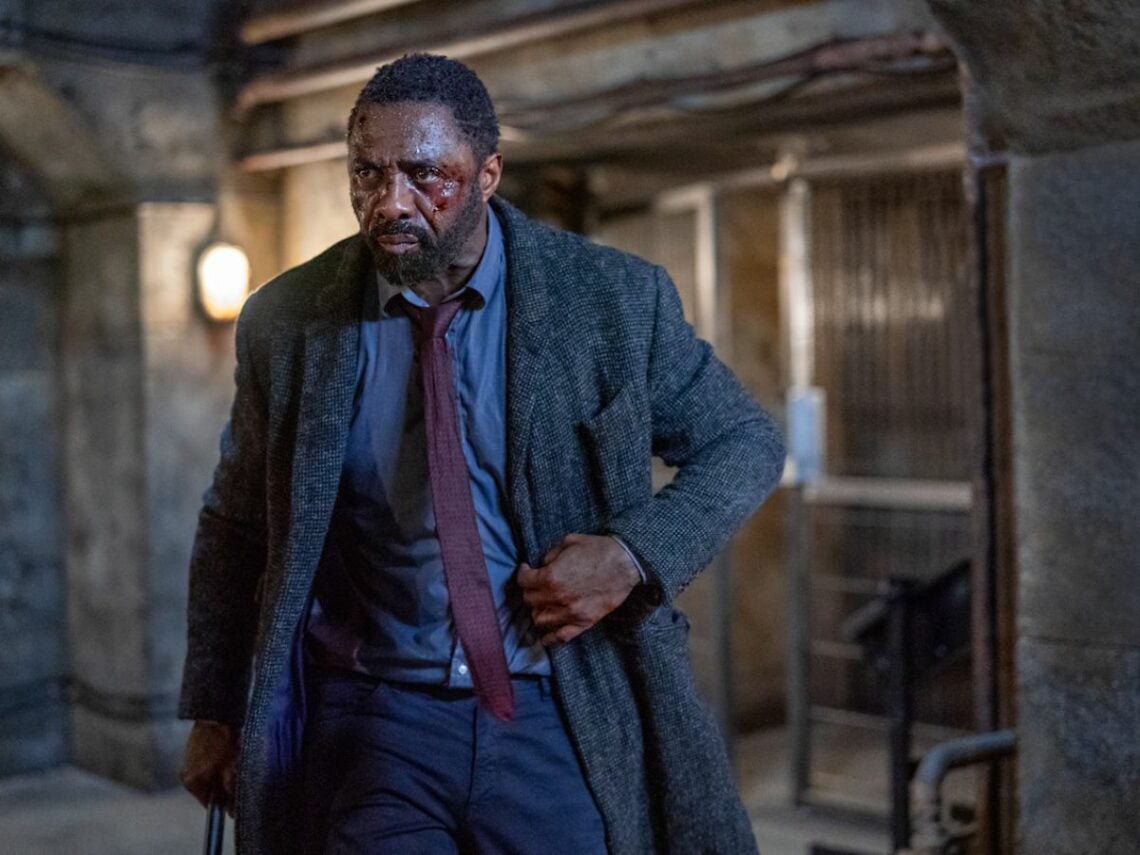
Following his breakthrough role as Stringer Bell in The Wire, Idris Elba had made a seamless transition onto the big screen as his star continued to rise, but it was his performance in Luther following its premiere in 2010 that underlined both his leading man credentials and dramatic range.
Across its initial five-season run before emigrating to Netflix for its feature-length sequel, The Fallen Sun, the hard-boiled psychological crime thriller received plenty of awards season recognition. While Elba did win a Golden Globe for ‘Best Actor – Miniseries or Television Film’ from four nominations in total, Luther went home completely empty-handed at the Primetime Emmys despite being shortlisted 13 times.
As well as its star’s three nominations for ‘Outstanding Lead Actor in a Limited or Anthology Series or Movie’, Luther notched two nods for ‘Outstanding Limited or Anthology Series’, one for ‘Outstanding Miniseries’, and one for ‘Outstanding Television Movie’, in addition to further recognition for its writing, directing, and cinematography. And yet, it didn’t win a single one.
It’s Always Sunny in Philadelphia (2005-present)
Not just one of the most popular comedies of the modern era but a genuine history-maker, It’s Always Sunny in Philadelphia is the longest-running live-action sitcom in the history of American television following its 15th season. This record will continue to be extended after it was renewed through to at least an 18th season.
The central quartet – with plenty of help from Danny DeVito’s Frank Reynolds – are despicable and irredeemable people, but that’s part of the show’s appeal. For almost 20 years, Glenn Howerton has been delivering what deserves to be regarded as one of the small-screen’s greatest-ever long-form performances, with Dennis Reynolds a sociopathic menace of unmatched complexity and hilarity.
Even though it’s been on the air since 2005, It’s Always Sunny has only ever been nominated for three Emmys. What makes it even more incredible is that those three nods belong to the exact same person in the exact same category, with Marc Scizak being recognised through three consecutive nominations for ‘Outstanding Stunt Coordination for a Comedy Series or a Variety Program’ in 2013, 2014, and 2015.
Star Trek: The Original Series (1966-1969)
One of the most important, influential, and barrier-breaking TV shows ever made, the original run of Star Trek accrued a multitude of Emmy nominations during its seminal three-season stint on the airwaves but didn’t win any of them.
Leonard Nimoy was the only cast member to make the shortlist but ended up going zero-for-three in the ‘Outstanding Supporting Actor in a Drama Series’ category, while the series itself was a regular contender for a variety of gongs that showcased the wide array of its achievements, and yet conspired to be a permanent loser.
Two unsuccessful nominations for ‘Outstanding Dramatic Series’ sat side-by-side with further recognition for its art direction, cinematography, film and sound editing, and special effects, but the crew of the Enterprise bowed out with a reputation for always being a bridesmaid at the Emmys, with Star Trek never allowed becoming the bride.
The Wire (2002-2008)
Lauded as one of the finest TV shows in history, it took a while for The Wire to secure that reputation. With viewing figures that were far from spectacular even at the height of its run, The Emys were never really a consideration.
Nowadays, no conversation around the ‘Golden Age of Television’ is complete without the Baltimore-set crime drama, even if it didn’t earn as much as a single Golden Globe nomination throughout its five seasons. In fact, it only earned two Emmy nods – both of which came in the same category – and was snubbed on both occassions.
One of the best-written shows ever, a paltry pair of ‘Outstanding Writing for a Drama Series’ nods for the third season episode ‘Middle Ground’ and series finale ‘-30-‘ is unbecoming of a televised titan that’s now spoken of in reverential tones for its influence over the prestige TV era.
Better Call Saul (2015-2022)
Predecessor Breaking Bad fared phenomenally at the Emmys, winning 16 prizes, including back-to-back ‘Outstanding Drama Series’ statues in 2013 and 2014, but despite being every bit the equal of its forebear, Better Call Saul is the single biggest loser in the ceremony’s existence.
The most recent edition of the Emmys saw the prequel once again fail to capture any gold, ensuring it an unwanted place in the history books. Over the course of six acclaimed seasons, Better Call Saul was shortlisted for 53 trophies and failed to win even one.
In a cruel twist of fate, the show did notch one consolation prize for ‘Outstanding Short Form Comedy or Drama Series’, but that was for the short film Los Pollos Hermanos Employee Training and not the content of Better Call Saul itself. There was hope that perhaps it would be rewarded for its recently-concluded final run, as often tends to be the case, but Succession made sure it didn’t happen.
