


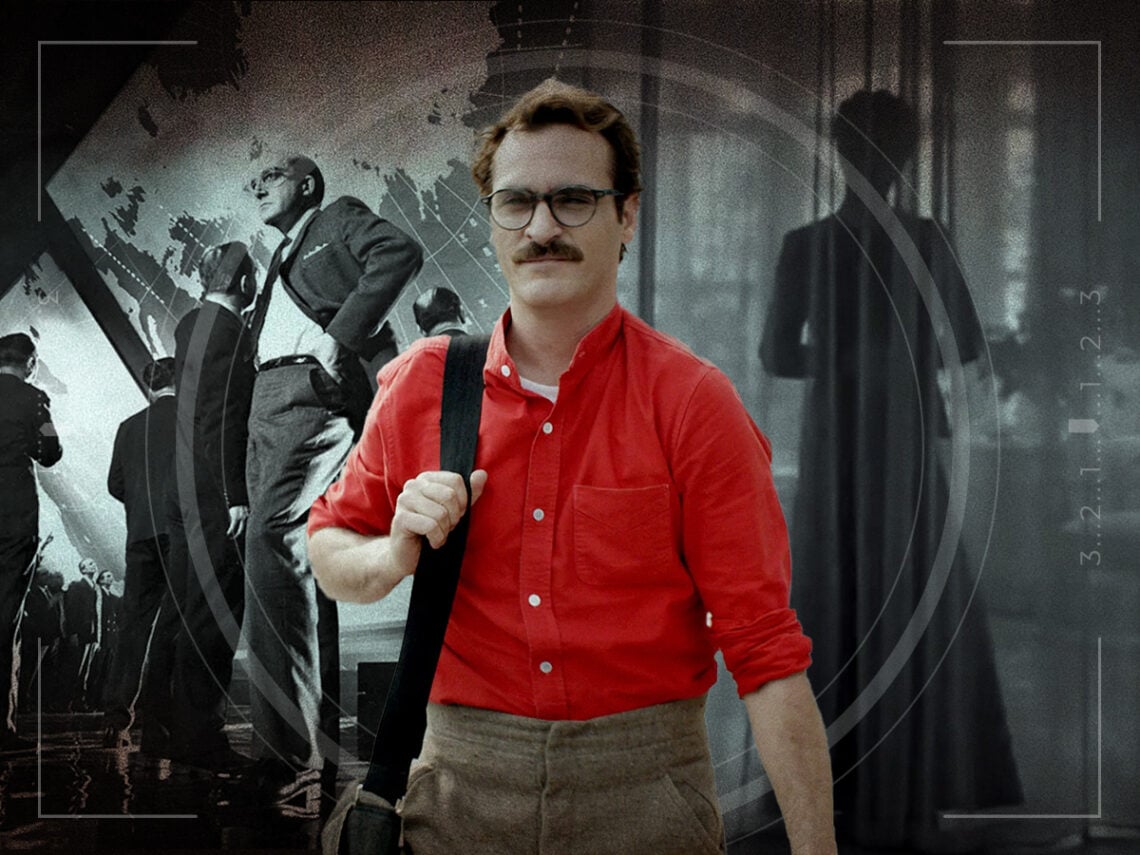
The five greatest movie characters who never appear onscreen

The world of television is full of characters you never fully see: think Wilson on Home Improvement, Howard’s mum on The Big Bang Theory, or the fact that they named Charlie’s Angels after a guy you only ever hear on the phone, which makes one curious about the same in movie history.
This list could have been a slam dunk if we’d allowed ourselves to reuse characters who started life on the small screen. We could just chuck in the movie versions of the adults from Peanuts and our old friend Charlie and call it day, but instead, we’ve decided to play this game on hard mode and exclude characters who originated on TV.
Even with this caveat, it was still surprisingly easy, for the unseen or partially obscured character is a trope that has been used to great effect for decades, to the point where some of these characters aren’t even alive when the runtime starts, yet they play a huge role in the action.
Don’t bother keeping your eyes peeled for these phantoms: they’re living proof that you don’t need to be seen to leave a big impression on a moving picture.
Five invisibly impactful characters in film
Dimitri Kissov – ‘Dr. Strangelove or: How I Learned to Stop Worrying and Love the Bomb (Stanley Kubrick, 1964)
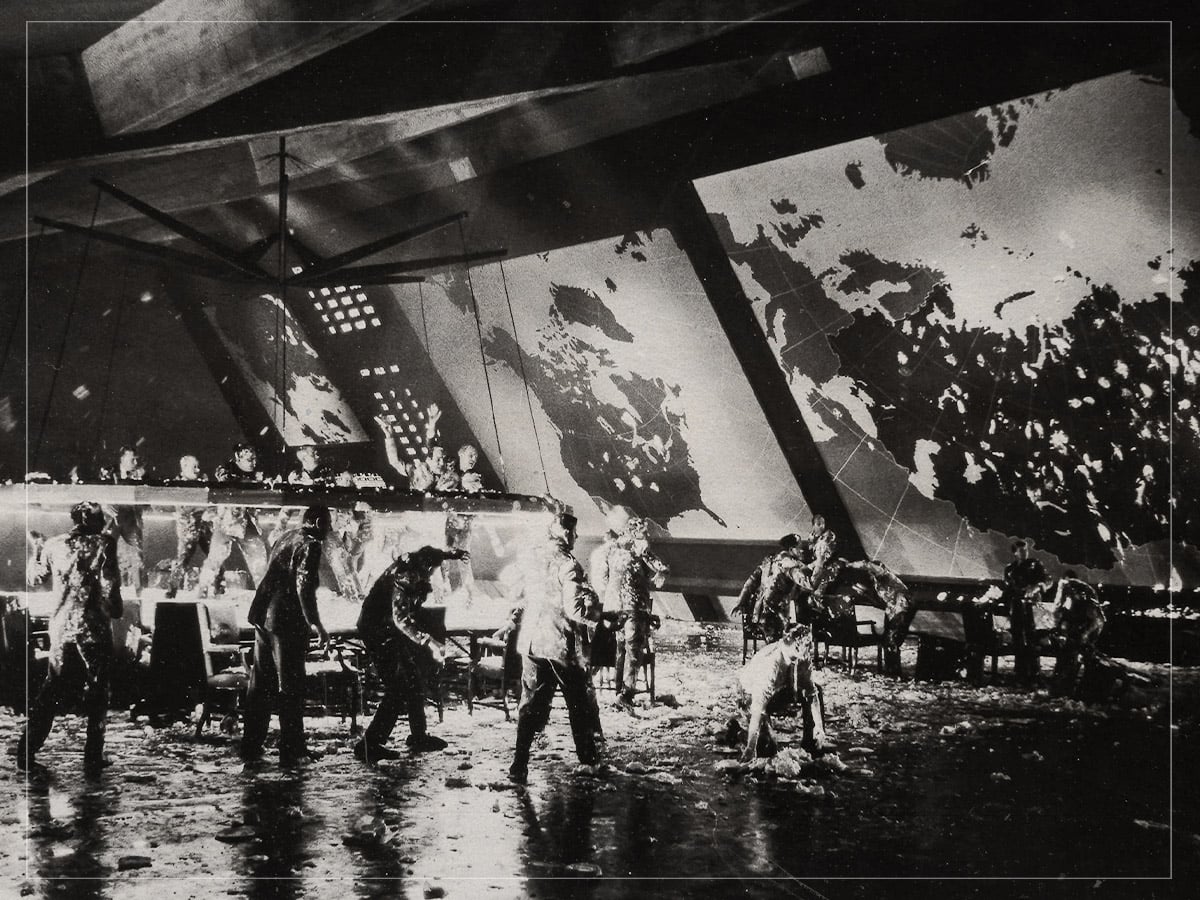
When it comes to representations of the Cold War on film, most people would point you in the direction of Kubrick’s farcical tale of mutually assured destruction. Dr Strangelove features many memorable characters from George C Scott’s blustering General to Slim Pickens’ hat-waving bomber commander to Peter Sellers’ terrific triumvirate, however, in terms of the actual narrative, one of the most important figures in the story is represented solely by a telephone.
While the audience is treated to the sight of US President Merkin Muffley (Sellers), his Soviet counterpart is never shown. Premier Dimitri Kissov, spelt ‘Kissof’ by some, is called up by the American side in the hopes of coming to some sort of arrangement vis-à-vis the impending nuclear holocaust, but the only problem is that he’s drunk. This is a Russian satire from the 1960s after all, and Kissov’s inability to negotiate with the West doesn’t just add another element to the plot, but it’s also part of the grander satire of the film. The US are incompetent, the Soviets are drunk, yet they hold in their hands the power to destroy the entire world, something that stands true to this day.
The DJ – ‘The Warriors’ (Walter Hill, 1979)

The phrase ‘biggest cult movie’ is almost oxymoronic, but if you were to attribute it to something, then The Warriors would be a great choice. Walter Hill’s grimy, endlessly quotable story of gang warfare was ripped to shreds by critics when it was first released. However, as time has passed, more and more people have been won round to its ultraviolent charms, and once again, that’s probably an oxymoron. The plot of the film really kicks off when members of the titular crew are framed for the murder of another gangster, which is where our unseen icon first makes her presence felt.
The bounty placed on the Warriors’ heads for killing Cyrus is announced by an unnamed DJ, the woman, played by Lynne Thigpen, only ever represented by a pair of lips behind a microphone, yet the power she wields over New York’s deadliest killers is almost godlike. Every gang listens to her show and hangs on her every word. The choice to make this influential, underground figure a woman of colour was almost certainly by design; a surprisingly deep commentary for a character you could be forgiven for initially writing off.
The Hunter – ‘Bambi’ (David D Hand, 1942)

For as nakedly and sinisterly capitalist as Walt Disney was, his films always had a soft spot for nature. In every classic Disney romp, animals are always seen as friends, if not the primary protagonists of the story, with their enemy humanity, and nowhere is this more clear than in the film that has been the scourge of parents everywhere for the better part of a century: Bambi. The defining moment in Bambi, and one of the most infamous scenes in all of animation, is the offscreen death of the forest prince’s beloved mother, but we never find out the person responsible for this heinous, traumatising act.
The unseen hunter who killed Bambi’s mother is one of the greatest villains in cinema history, and we have no idea what they look like. We never even see the gun; we just hear its horrible sound ring out around the snowy vista as the poor fawn runs for his life, the impact of this moment reverberating even today. The hunter’s actions are still used as a deterrent for potential wildlife killers, such is the power of this entirely bloodless scene.
Rebecca de Winter – ‘Rebecca’ (Alfred Hitchcock, 1940)
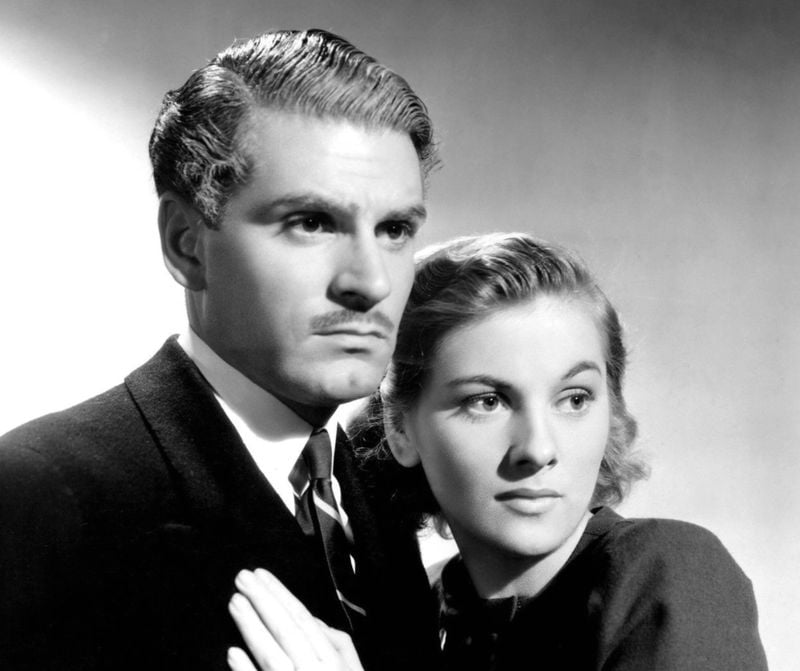
One way to make sure you never see a character on screen is to kill them off before the action starts, and that’s precisely what Daphne du Maurier did in her 1938 novel Rebecca, which was chosen by Alfred Hitchcock two years later as his first Hollywood project. Laurence Olivier stars as the unstable aristocrat Maxim de Winter, who has recently married a woman played by Joan Fontaine, but this isn’t his first marriage, which was to the titular character, a woman so perfect that his new bride cannot escape her influence, even when she is six feet underground.
The status of the late Mrs de Winter is a textbook example of how to write an unseen character, wherein she might not technically be involved in the story, but the entire plot revolves around her. The new Mrs de Winter is so overshadowed by her ghostly presence that she doesn’t even have her own name, reduced to simply the woman who replaced the one Maxim truly wanted. Rebecca has all the qualities of a great ghost story without a hint of the supernatural, and if you’ve ever worried about getting over an ex, then know that things could be a lot worse; you could be trapped in the shadow of an ideal.
5. Samantha – ‘Her’ (Spike Jonze, 2013)
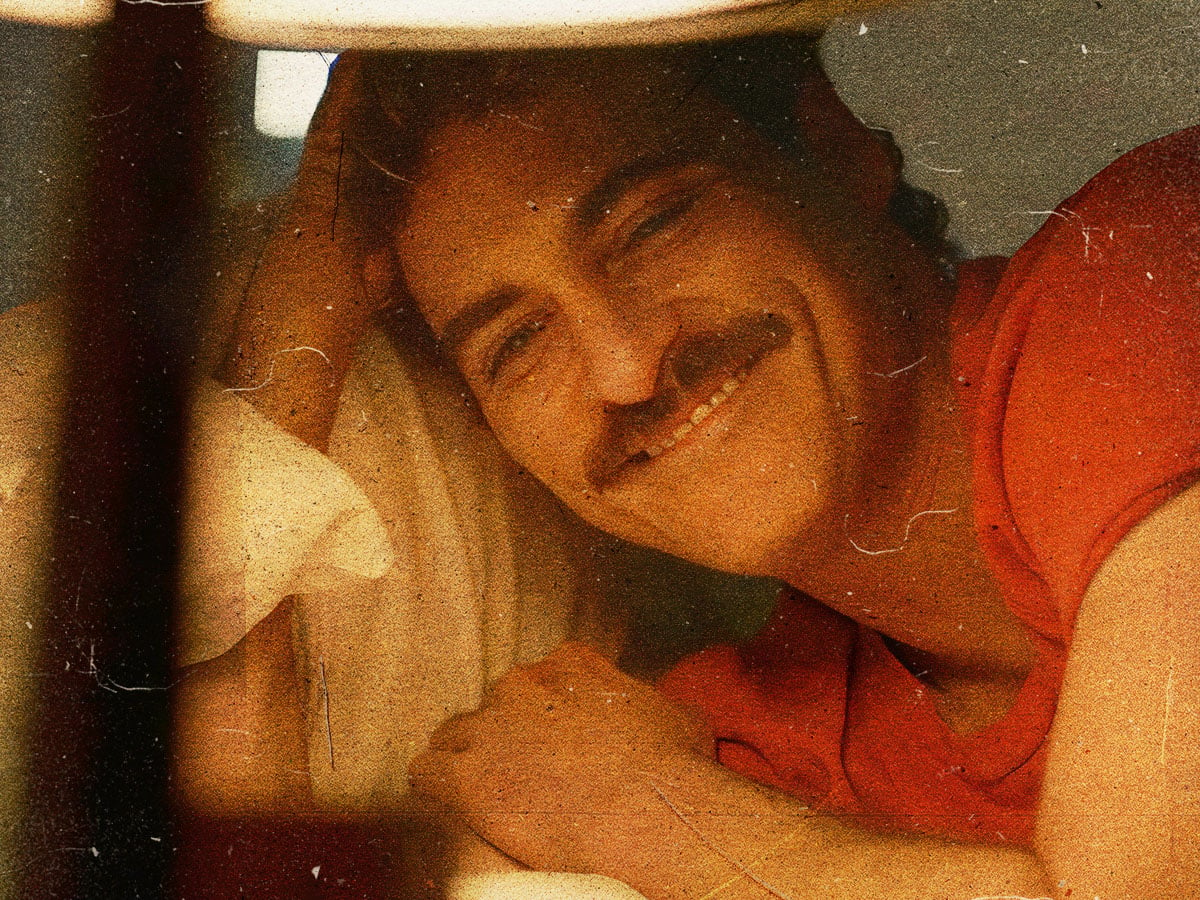
In 2003, Sofia Coppola directed the masterpiece Lost in Translation, telling the story of longing and unfulfilled romance inspired by the dissatisfaction she felt while married to fellow filmmaker Spike Jonze. A decade later, her ex-husband decided that he was going to make his own film about their marriage, and he too was going to get Scarlett Johansson, leading to Her, about Joaquin Phoenix’s lonely Timothy Twombly, who forms an intimate relationship with an AI chatbot named Samantha, voiced by Johansson. Let’s get all the ‘Wow, they predicted the future’ comments out of the way now and focus on the truly impressive thing about this film.
Samantha represents everything great and terrible about love all at once: she’s the perfect woman for ol’ Twombly, but there’s an unshakeable sense of artifice surrounding her. The audience knows that this ‘perfect’ romance is ultimately doomed, with Samantha’s lack of physical presence serving as the indicator. She is simultaneously all over the movie and not there at all, and while love doesn’t make sense at the best of times, when it’s with a disembodied voice, it gets even messier.
