


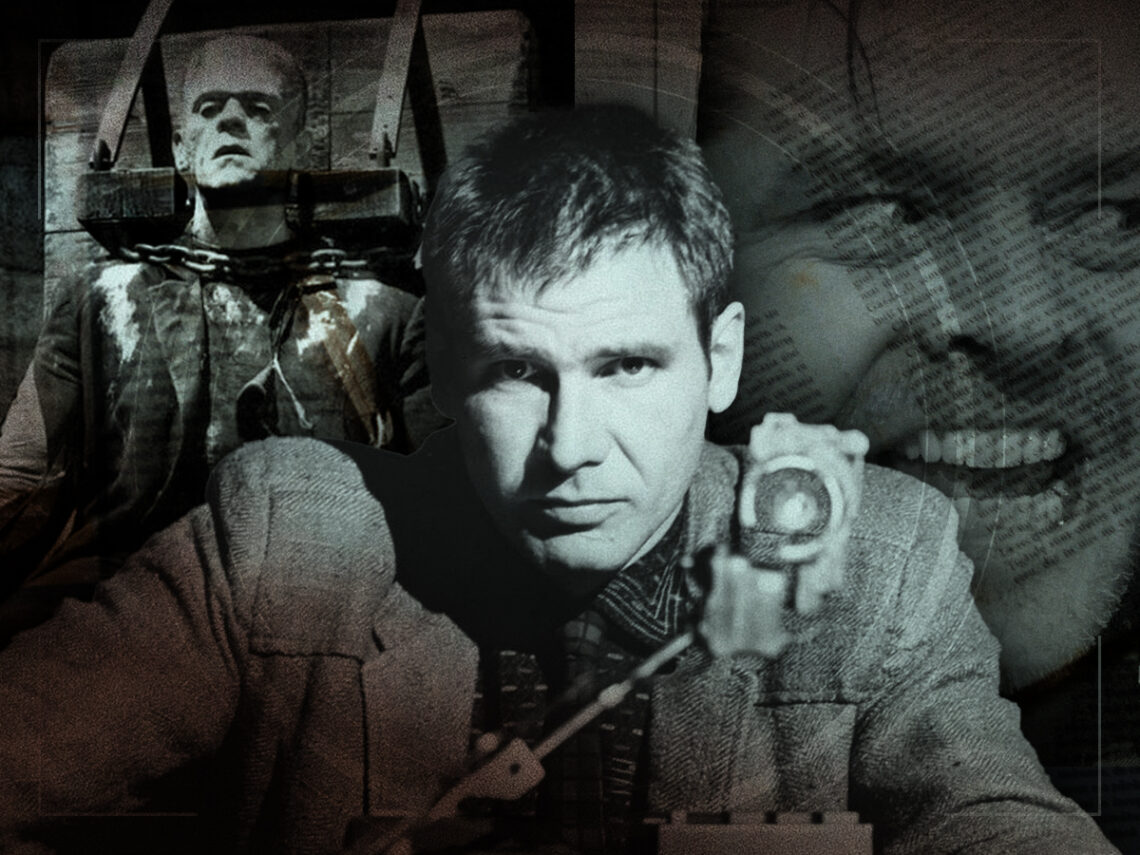
Five great movies that are nothing like the books they are based on

People sure got annoyed about Wuthering Heights, Emerald Fennell’s big-screen version of one of the most adored books of all time, ripped to pieces by critics who felt that it did an injustice to Emily Brontë’s classic novel.
This backlash, which isn’t entirely unwarranted, has sparked a massive debate surrounding the word ‘adaptation’, and raised the question of whether it is a filmmaker’s duty to faithfully recreate a book, or if they should be given free rein to mulch around with it as much as they like.
There’s an argument to be made for both camps, but allow me to put forward a case for the latter by saying that some of the greatest and most successful movie adaptations of novels have had absolutely nothing to do with their source material, where, even if the authors got mad, the directors pushed through with their own visions and arguably were right to do so.
The jury is still out on Wuthering Heights and its place in history, but perhaps it can follow the example of these five offerings and turn things around.
Five great movies poles apart from the books they are based on:
‘The Shining’ (Stanley Kubrick, 1980)
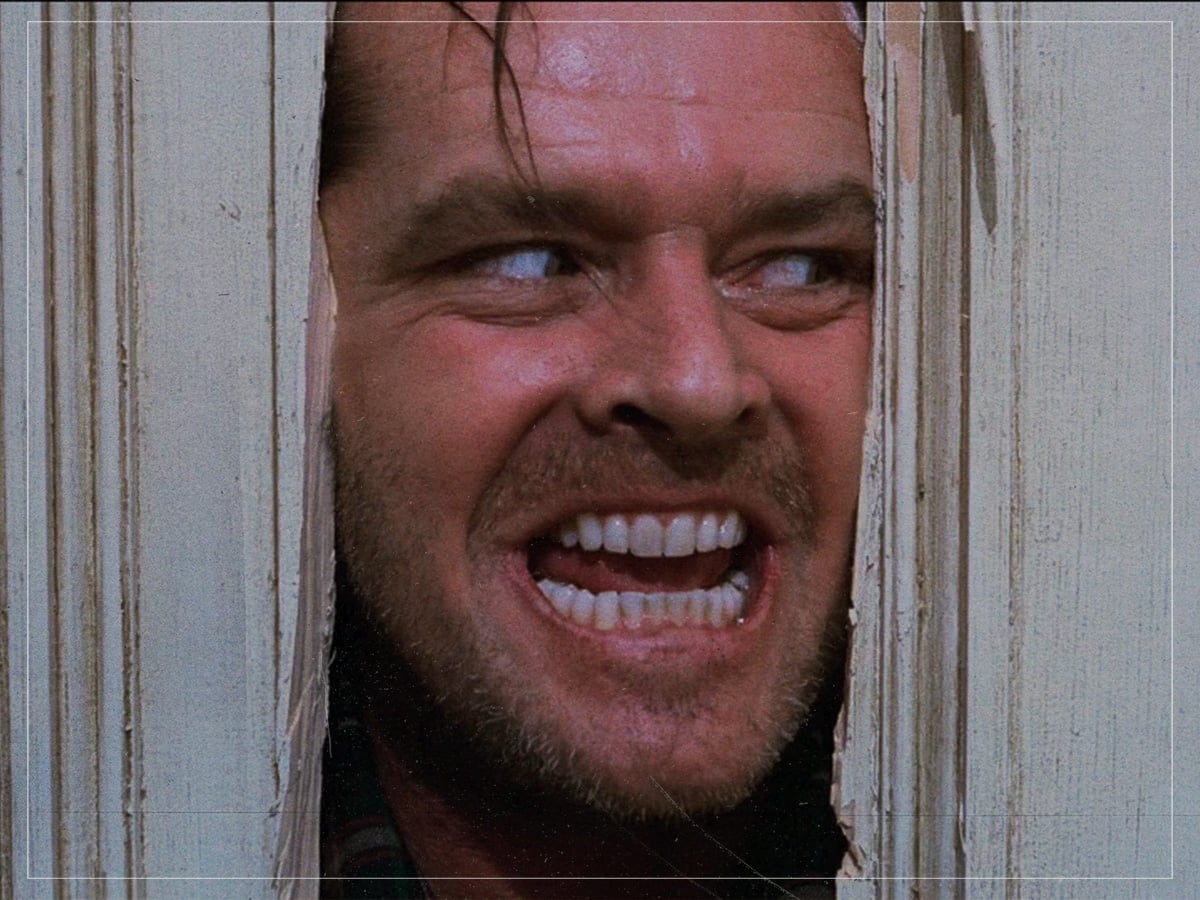
We’re starting with perhaps the most noteworthy case of a director going against the source material and winning. Stanley Kubrick might have been a genius, but he was also a giant pain in the ass, routinely messing his collaborators around, and nowhere is that more evident than on The Shining. Stephen King was famously not a fan of the visionary’s adaptation of his novel, so much so that he wrote and produced his own TV version of the story nearly two decades later, but really, how much could Kubrick have altered the source?
One of the biggest differences between the book and the film is the characterisation of Wendy Torrance, who, on page, is a beautiful, resilient woman brazenly standing up to her possessed husband, but onscreen, Shelley Duvall plays her more as a downtrodden housewife. Additionally, many of the iconic visuals from the movie were totally original creations, such as the hedge maze, the elevator full of blood, and the sinister Grady twins, so clearly, the success of Kubrick’s vision proves, movies and books are entirely different mediums with entirely different requirements.
‘Shrek’ (Andrew Adamson & Vicky Jenson, 2001)

Here’s a movie you probably didn’t even know was based on a book, but in 1990, illustrator and former New Yorker cartoonist William Steig released a children’s picture book called Shrek, telling the story of an ogre who learns from a witch that he is destined to befriend a donkey and marry a princess. If that sounds like the DreamWorks movie, well, that’s where the similarities end as book Shrek is even angrier than his onscreen counterpart, and he can also breathe fire, which the films chose to omit. The book is also much less focused, sending its main character on a series of unconnected quests designed to appeal to young kids.
In Steig’s version, Shrek torments local peasants, eats thunder and lightning, and kills a dragon rather than letting her pork his best friend. Speaking of Donkey, he barely appears in the book, merely serving as a guide to take the ogre to his promised princess, who isn’t called Fiona (she doesn’t have a name at all) and is presented as ‘ugly’ the entire time. Moreover, the whole ‘curse’ aspect that we know and love from the film was an invention of the filmmakers, as was, apparently, most of what made the movie a runaway hit.
‘Frankenstein’ (James Whale, 1931)
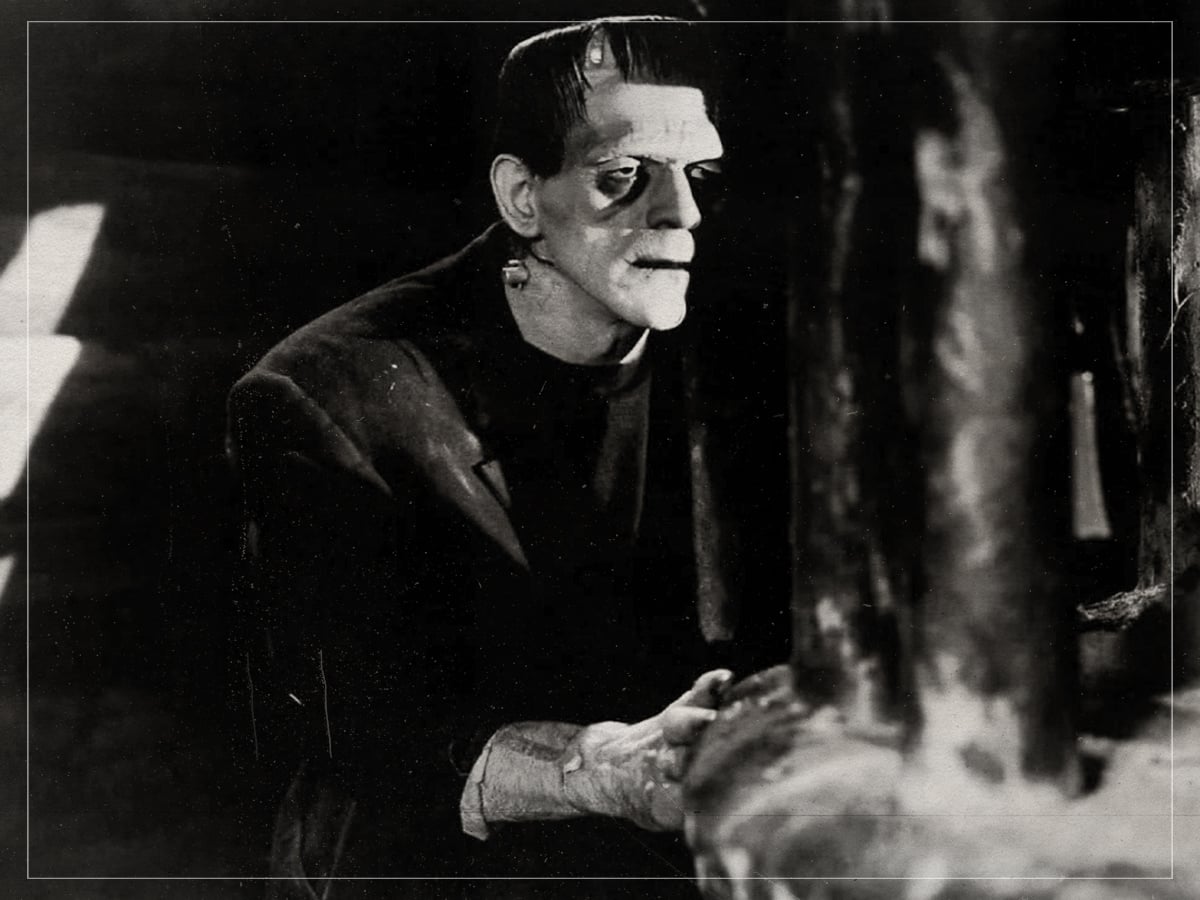
When a 20-year-old Mary Shelley first published Frankenstein; or, the Modern Prometheus, she changed literary history forever, producing a classic and one of the most reliably popular stories of all time, which makes you wonder why everybody keeps changing it. We’ve seen countless variations of the tale of a mad scientist building a creature out of the body parts of dead men, but almost all of them stray from Shelley’s original vision, and even Guillermo del Toro’s recent adaptation, which was touted as a ‘faithful’ retelling, took certain liberties. Surely the most famous Frankenstein movie had to follow the novel at least somewhat closely?
James Whale’s 1931 classic is widely regarded as the definitive presentation of Frankenstein on screen, and yet it can’t even get the name of the main character right. The doctor’s first name is changed from Victor to Henry for some reason, he also gains a hunchbacked assistant, an archetype that would go on to be known as ‘Igor’, and the biggest changes apply to the creature itself, played brilliantly by the great Boris Karloff, who is robbed of his ability to speak, transforming him from a sympathetic innocent into a simple-minded ‘monster’.
‘Howl’s Moving Castle’ (Hayao Miyazaki, 2004)
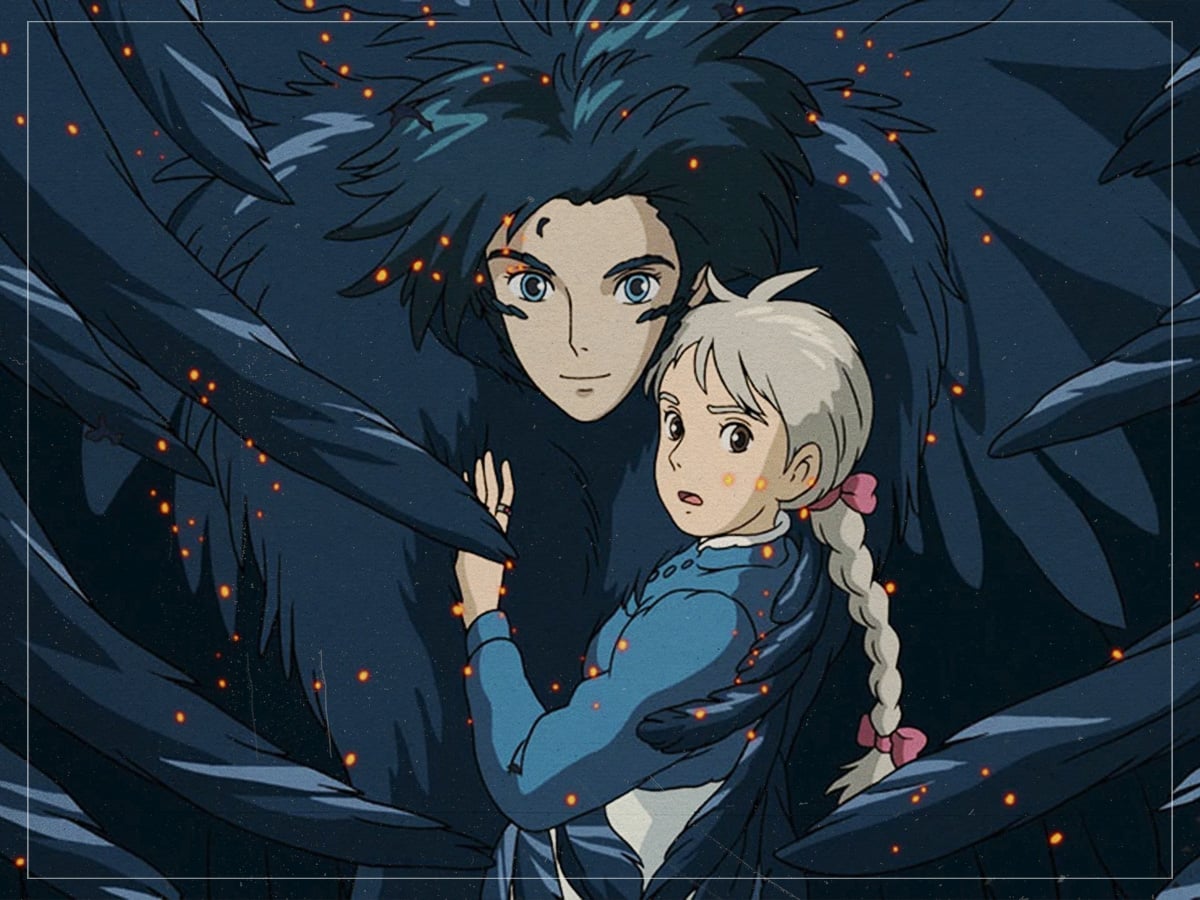
One of the Japanese institution Studio Ghibli’s most cherished creations, Howl’s Moving Castle, was actually written by a woman who was born in Bristol. The novel that inspired Hayao Miyazaki’s gorgeous movie was published in 1986 by British author Diana Wynne Jones, and in her story, a young girl named Sophie is turned into an old woman by an evil witch, which is what happens in the movie, but for different reasons, where the witch curses Sophie out of jealousy, while her literary counterpart mistakes her victim for her younger sister, Lettie.
The Witch of the Waste has a much larger role in the book overall, and perhaps Miyazaki chose to reduce her involvement so he could focus on what he really wanted his film to be about, which is war. A staunch pacifist, the director used Jones’ narrative to express his anti-war sentiments, a theme that was entirely his own creation, and the author didn’t mind at all; in fact, Miyazaki actually travelled to England to show Jones an advance version of the movie, who was quoted as saying, “It will be different from the book…but that’s as it should be. It will still be a fantastic film”.
‘Blade Runner’ (Ridley Scott, 1982)
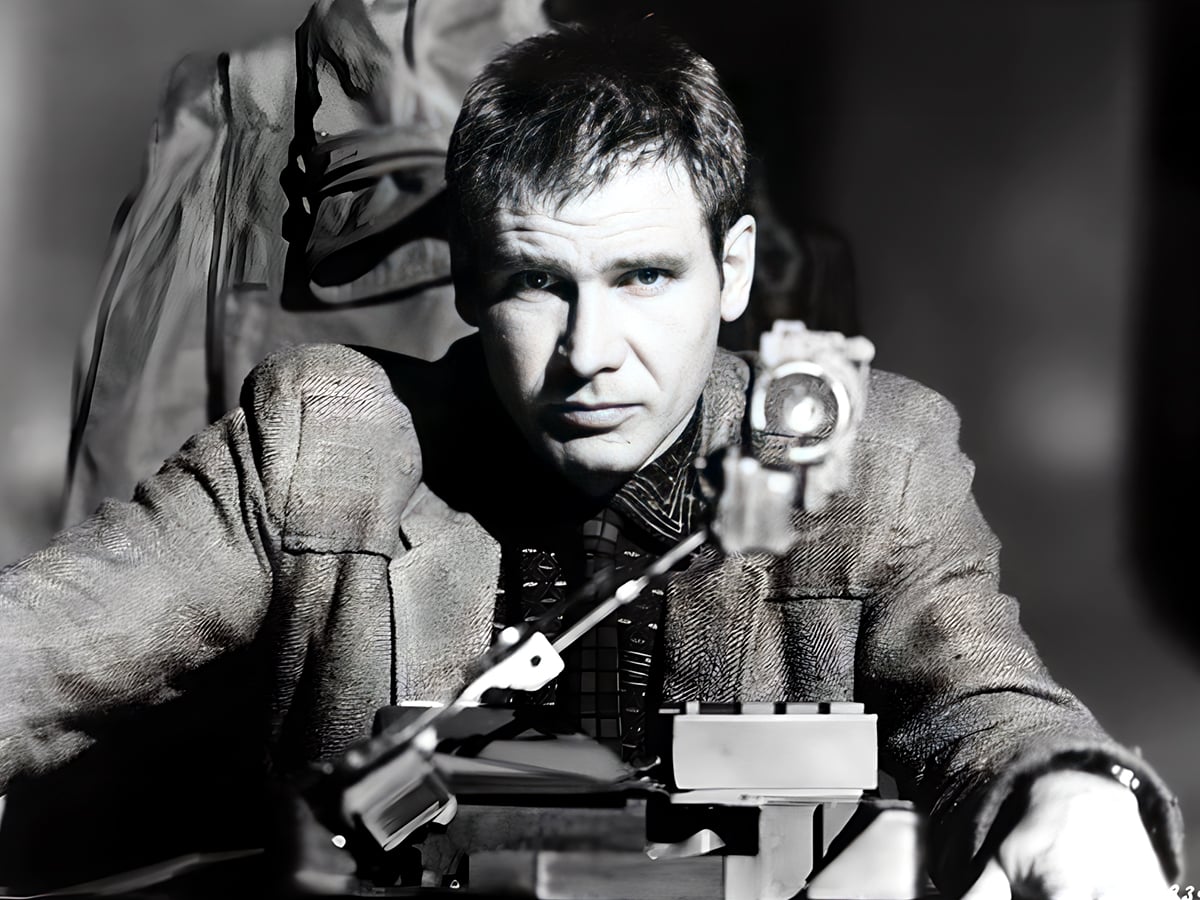
This might be the funniest example of a book’s name being changed for a big-screen adaptation. In 1968, revered science fiction author Philip K Dick published a short story called Do Androids Dream of Electric Sheep?, a unique, thought-provoking title that got right to the very heart of the matter, but it clearly wasn’t good enough for Ridley Scott, who got his name from an entirely different novel: Alan E Nourse’s The Bladerunner.
But that wasn’t the only thing that had changed by the time Dick’s work made it to theatres, because the novel goes into far more detail about the state of the world, exploring the idea of a massive war that destroyed most animal life on Earth. The humanoid robots known as replicants are far more mechanical than the perfect human replicants seen on screen, and huge changes were made to Rutger Hauer’s character Roy Batty, too, where, in the book, he is an arrogant narcissist, while he is much more nuanced and emotional in Scott’s vision. Dick never saw the finished movie, as he died just four months before its release, and given his turbulent relationship with the project, perhaps this wasn’t a bad thing.
