


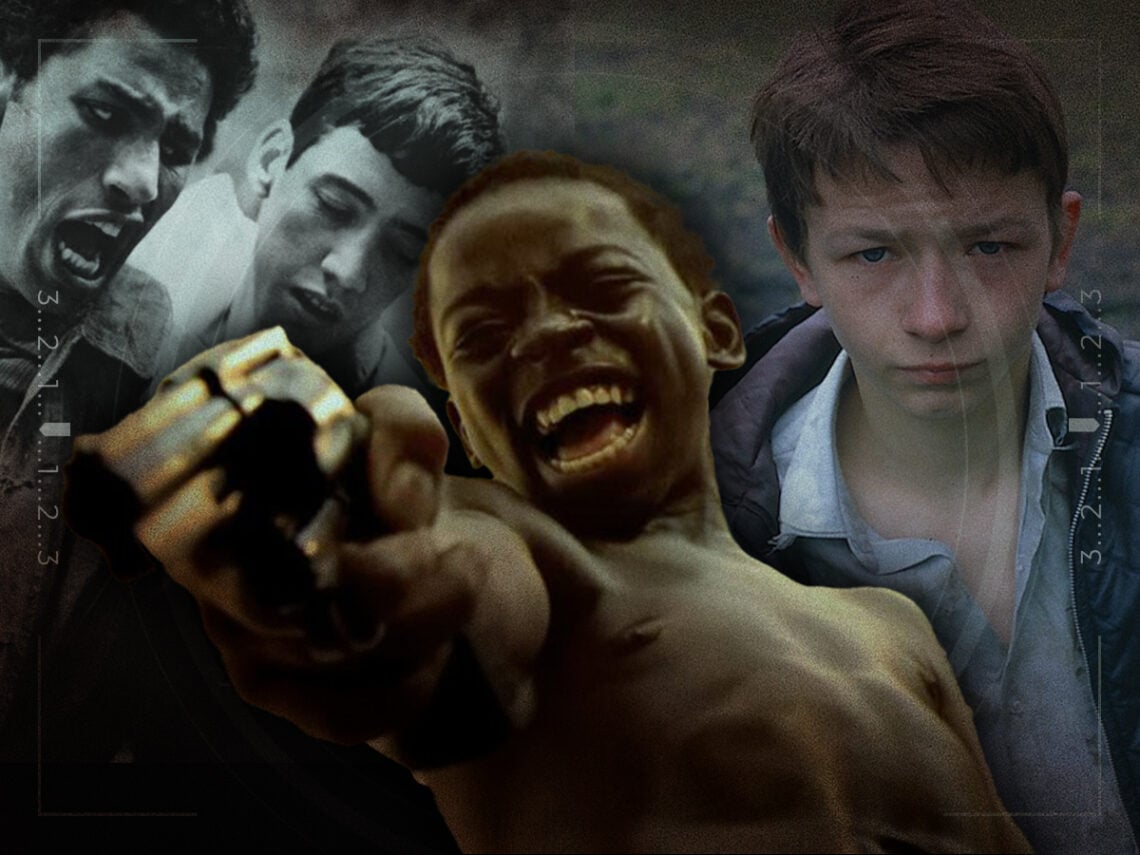
Five great movies made with mostly amateur actors

Everyone is talking about Marty Supreme, Josh Safdie’s table tennis-infused tale of ambition and tiny moustaches that has taken the world by storm.
Timothée Chalamet’s lead performance is getting most of the plaudits, while Gwyneth Paltrow and Odessa A’zion are drawing praise for their supporting roles, but today, it’s the rest of the cast we’re interested in, as most of them would technically be classed as ‘amateur’.
Many of the Marty Supreme‘s ‘actors’ had never been in a feature film before: There’s Kevin O’Leary, the Trump-loving businessman most famous for being on Shark Tank, Tyler Okonma, better known as Tyler, the Creator, making his first movie appearance, alongside influencer Luke Manley, author Larry ‘Ratso’ Sloman, and actual ping pong player Koto Kawaguchi.
This got us thinking about other great movies with casts of mostly amateur actors, which, of course, is the reason we have this list of films with only a handful of professional stars, and the rest of the screentime dedicated to first-timers or completely ordinary people. None of that stopped them from picking up rave reviews, Oscars, and spots on lists of the greatest movies ever made, so let’s dive into this cherry-picked consolidation of names.
Five acclaimed films with a mostly non-professional cast:
‘Beasts of the Southern Wild’ (Benh Zeitlin, 2012)
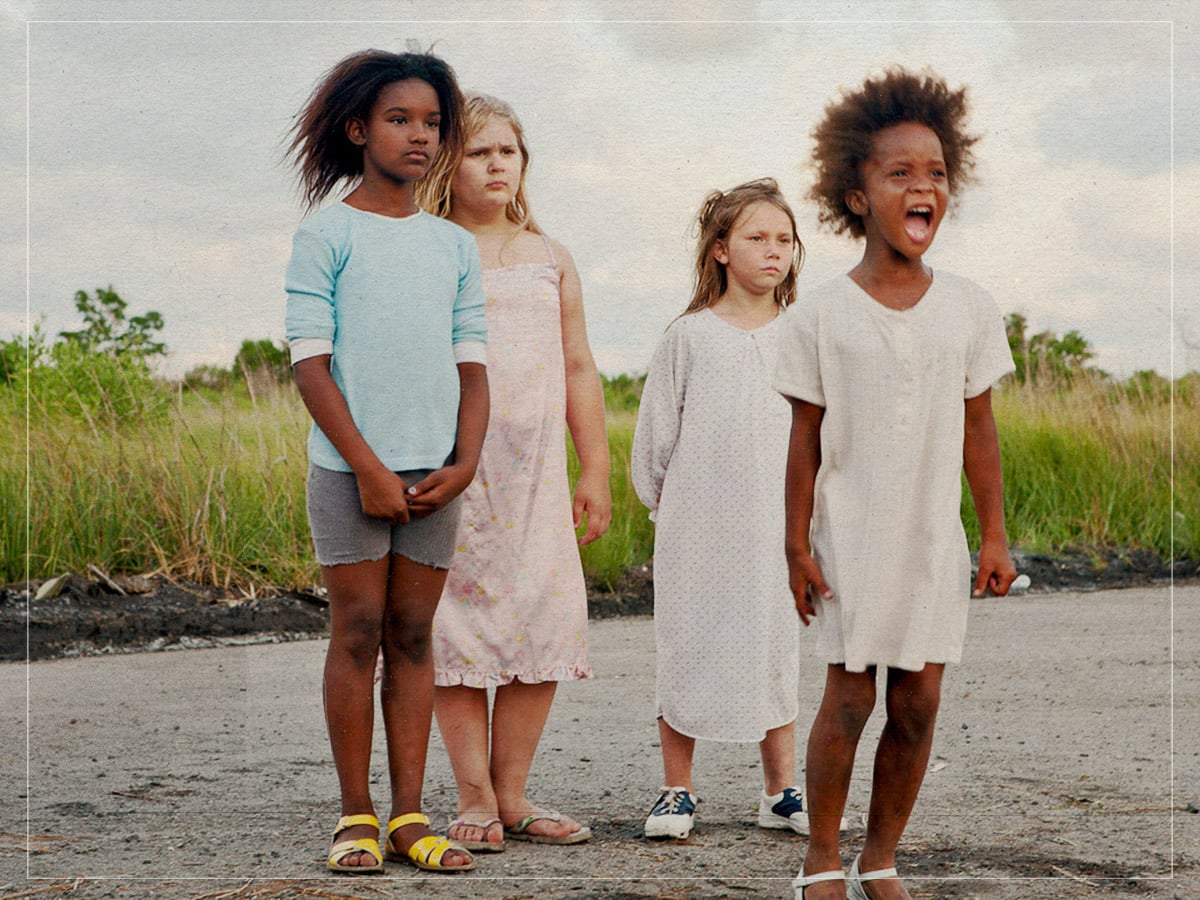
If you asked what Quvenzhané Wallis was doing at nine years old, she’d tell you she was getting nominated for an Oscar for Beasts of the Southern Wild, turning in the performance of a lifetime as Hushpuppy, a young girl whose life is flipped upside down when her father, played by Dwight Henry, falls ill, in the wake of which she struggles to make sense all the changes that follow. Not only does her life alter, but the world around her changes too, and she begins to experience a supernatural phenomenon that coincides with her unexpected maturity, leading to some important realisations. However, she didn’t win her Oscar, robbed of the accolade by Jennifer Lawrence for Silver Linings Playbook, but that doesn’t diminish her performance one bit.
Wallis actually lied about her age to land the role, her first in a feature film, while Henry also had no prior movie experience, having previously run a bakery in New Orleans. Everyone else was a member of the local community, which is why the film feels so genuine, and director Benh Zeitlin’s commitment to the ‘real’ part of ‘magical realism’ is what makes Beasts of the Southern Wild so special.
‘Kes’ (Ken Loach, 1969)

Ken Loach has been making films about working-class British life since probably before you were born, and in that, Ken is ancient. This fascination has resulted in Loach turning to non-trained actors multiple times, most famously on his career opus, Kes, set in the contemporary 1960s, which follows a young boy and his pet kestrel. Billy uses his bond with the bird as an escape from life below the line, but sadly, because this is a Ken Loach film, this bliss doesn’t last for long.
Billy is played by David Bradley, our hero, who goes by the name ‘Dai’, who had only ever been in Christmas pantomimes before Loach plucked him from obscurity. He was one of many amateur performers chosen to reflect the reality of an ordinary Northern town, while another star, Bernard Atha, even went on to become the Lord Mayor of Leeds. Bradley’s performance is by far the most impressive, and the film simply wouldn’t have been the same had they cast anyone with more experience, making for a smart move, even if the production did leave poor Dai scarred for life.
‘Nomadland’ (Chloé Zhao, 2020)
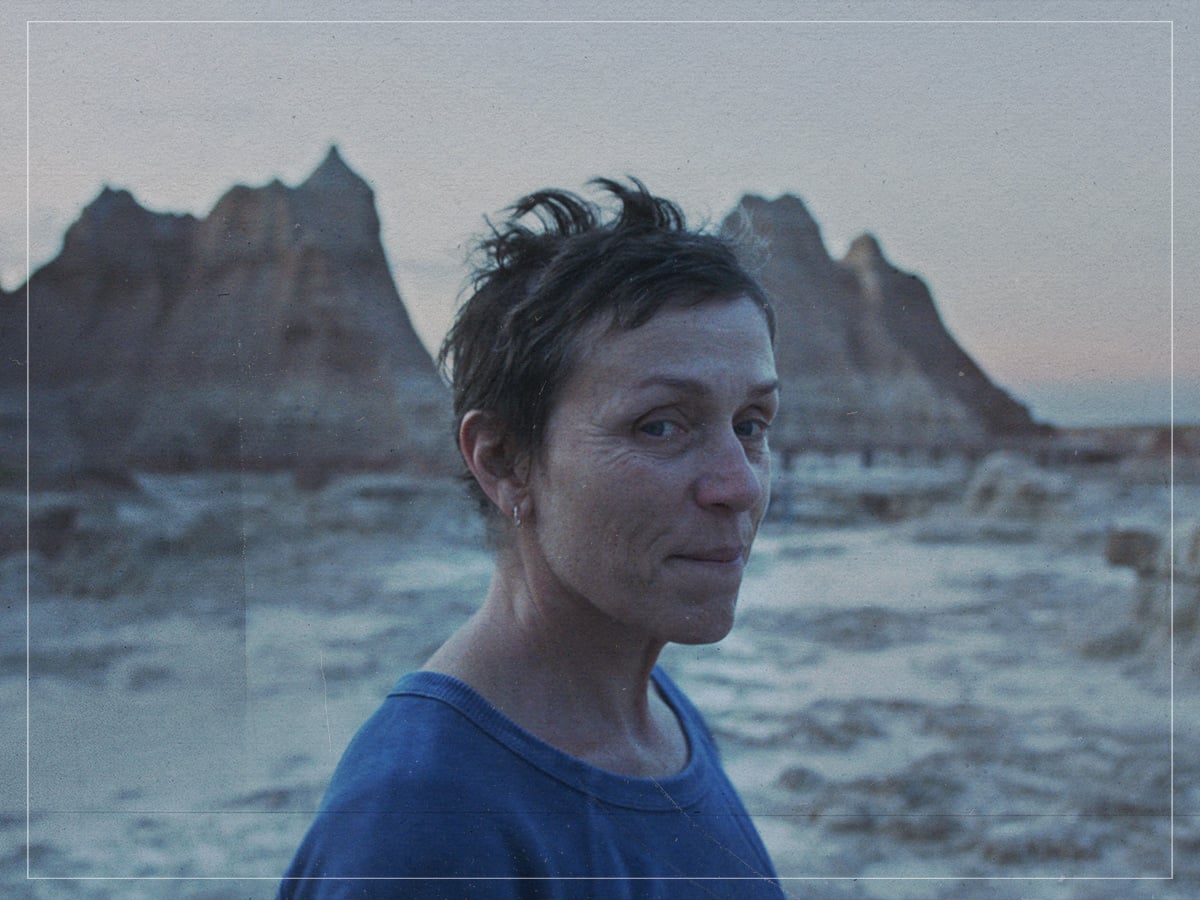
Five years before Marty Supreme was exciting critics, another film helmed by a star but made up of mostly amateurs was also generating buzz. Chloé Zhao’s Nomadland follows Frances McDormand, who chooses to live in a van after losing her job, with her and David Strathairn the only professionals in the entire cast. Peter Spears had acted before, but he’s primarily a producer, and the rest are amateurs, where three of them, Linda May, Bob Wells, and Charlene Swankie, are all real-life ‘nomads’, playing a prominent role in the non-fiction book on which the film is based.
No one cared that the movie featured a bunch of nobodies as Nomadland cleaned up at the Academy Awards, with Zhao winning ‘Best Director’, only the third woman to do so. McDormand scooped ‘Best Actress’ for the second time in three years, and the film itself was awarded the coveted ‘Best Picture’ prize. In a story as understated and subtle as this, big-name actors would have stood out like a sore thumb, hence the use of real people playing versions of themselves is all part of Zhao’s decision to blend fiction and reality, and the result is something truly special.
‘The Battle of Algiers’ (Gillo Pontecorvo, 1966)
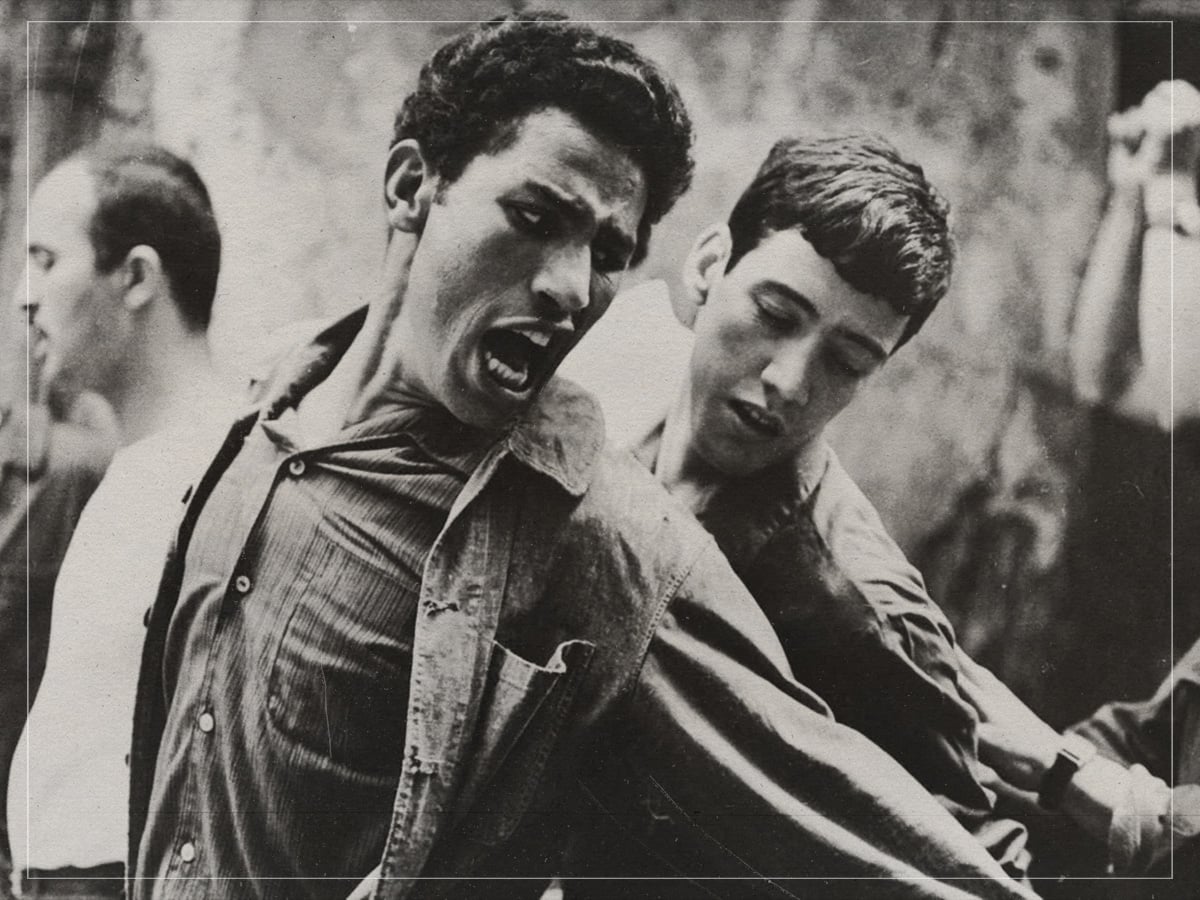
One would be forgiven for thinking Gillo Pontocorvo’s The Battle of Algiers was a documentary, as it’s certainly filmed like one, which, in fact, was all part of the plan. The Italian director wanted his account of the historical skirmish to feel as authentic as possible, and this included shooting and editing the piece in a newsreel style and casting real Algerians in the roles of the freedom fighters. Pontecorvo picked his ‘actors’ based solely on their looks, wherein two of them, Saadi Yacef and Samia Kerbash, were actually part of the FLN, the guerrilla group that fought the French army in the real battle.
The impact of this casting decision cannot be understated, such that The Battle of Algiers was so realistic, American posters advertising the film carried a disclaimer that no actual footage had been used. In 2003, a screening of the movie was held in the Pentagon, with the rationale that US commanders could use it to combat actual militia groups during the Iraq war. Most of the cast never acted again, not that they needed to, and The Battle of Algiers is regarded as one of the greatest and most influential movies ever made to this day.
‘City of God’ (Fernando Meirelles and Kátia Lund, 2002)
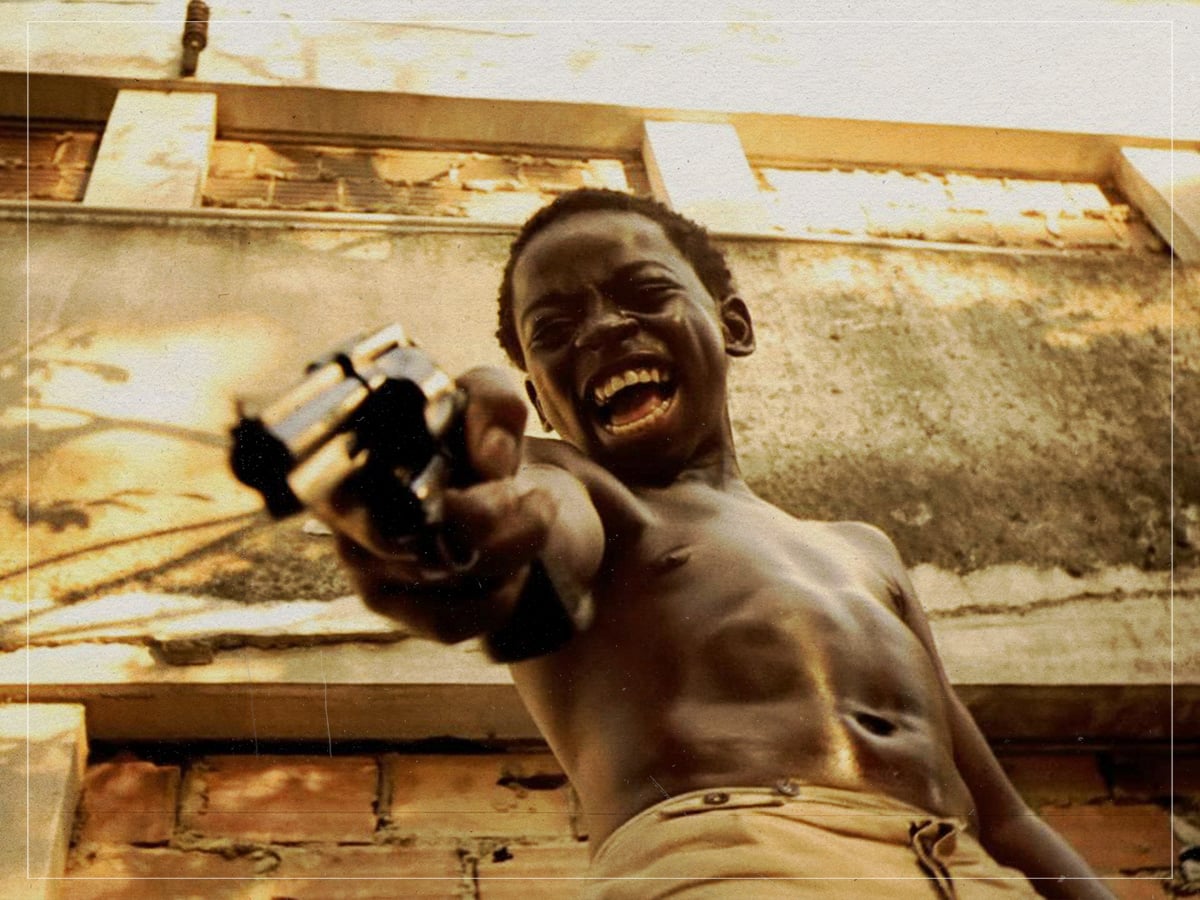
For most people, their knowledge of Brazilian cinema begins and ends with City of God, and for good reason; the film is set in the slums or ‘favelas’ of Rio de Janeiro and follows the lives of several young people living in extreme poverty. The two central characters, Rocket (Alexandre Rodrigues) and José (Leandro Firmino), both have aspirations to escape, but while one chooses a legitimate route, the other gets caught up in a dangerous drug ring, and over the course of several decades, the narrative follows these decisions and their respective consequences.
The choice to use mostly non-professionals was actually born out of necessity as co-director Fernando Meirelles revealed that there was a shortage of Black actors in Brazil. While that isn’t a problem today, it was when they were making the movie, so to circumnavigate this, they turned to the real-life favelas. Most of the cast come from this background, with a few even living in the actual Cidade de Deus on which the film is based. Regardless of why they made it, this choice paid off, and City of God is widely regarded as not only one of the best films of the 21st century, but of all time.
