


Five egregious scenes that sum up everything wrong with 21st-century cinema

Every period of cinema has its tropes. In the 1950s and 1960s, you got themes of sexual liberation and the divide between the emerging ‘teenage’ class and their parents. The 1990s were grittier, darker, and more focused on drugs and excess, which itself was in response to the happy, colourful outlook of the previous decade. And then there’s the 21st century.
There have been a lot of great movies produced since the year 2000, but the period also has its fair share of annoying traits. There are certain things we’d all love to change about modern movies, but alas, as long as they keep making money, they won’t be going away any time soon.
This list is in no way meant to be a criticism of modern Hollywood. It’s easy to say that ‘everything was better back in the day’, but the truth is, we’re currently in a Golden Age of cinema. Film is more accessible, diverse, and interesting than ever before. You just need to look in the right places.
That being said, it’s really fun to slag stuff off, so please enjoy the next 1,000 or so word of uninterrupted moaning.
Five scenes that define awful modern cinema:
“My name is Jekyll…” – ‘The Mummy’ (Alex Kurtzman, 2017)
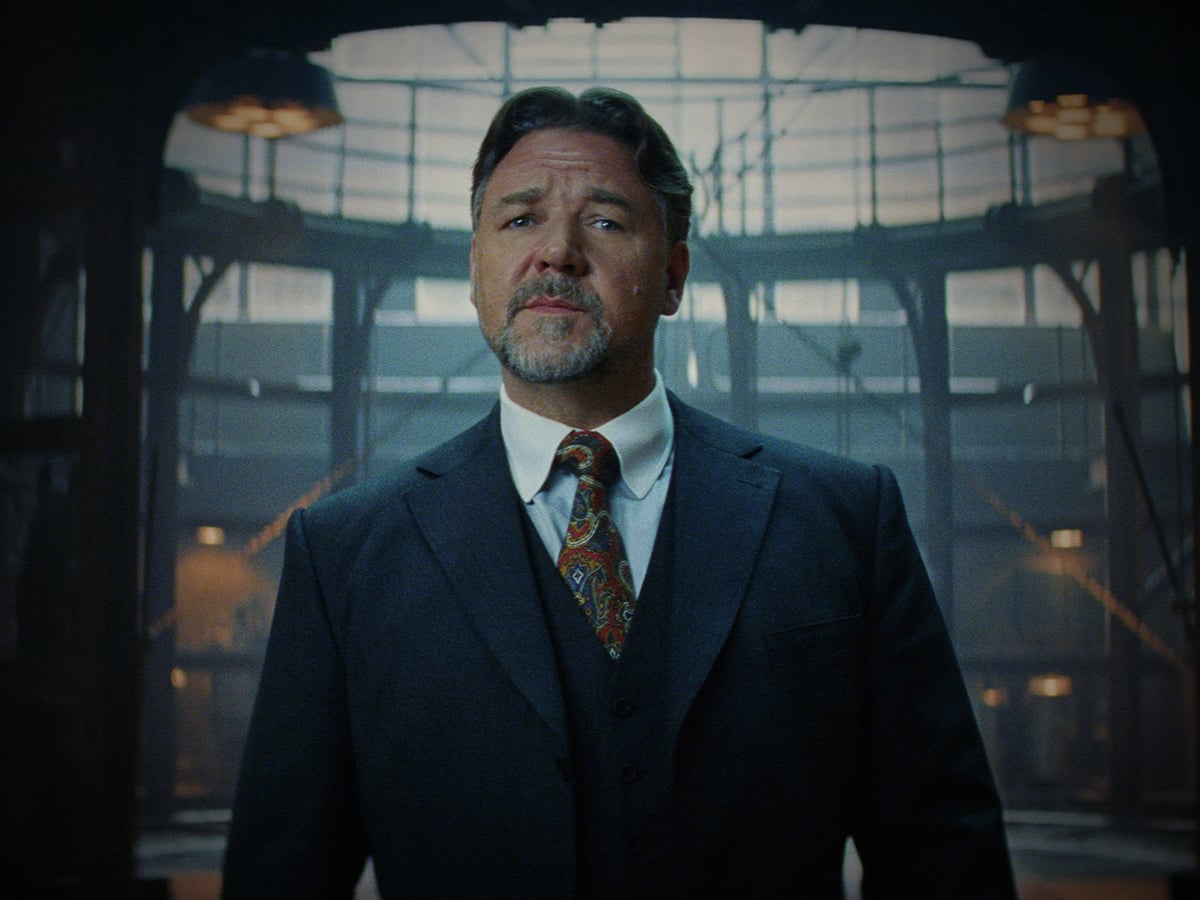
When the Marvel Cinematic Universe first kicked into high gear, it changed everything. The first ‘Avengers’ movie cleaned up at the box office and paid off on years of storytelling, combining four different movies (maybe three-and-a-half, considering they changed Hulk) into one incredible package. Nothing like it had ever been attempted before, let alone this successfully. Unfortunately, now everybody else wanted a piece of the action.
It was expected that DC, Marvel’s long-time rivals, would also attempt their own universe, but some very strange contenders came out of the woodwork hoping to emulate the studio’s success. Perhaps the worst – and funniest – attempt at this was the so-called ‘Dark Universe’. Beginning with 2017’s reboot of The Mummy, the series was devised as a way of bringing together all of the classic monsters that Universal had the rights to. The first hint at this shared timeline came during a scene featuring Tom Cruise and Russell Crowe, when the latter introduced himself as ‘Dr. Henry Jekyll’. This groan-inducing attempt to shoehorn the famous character into the story fortunately never went anywhere, as The Mummy bombed so hard that the Dark Universe was scrapped before it could even start.
Freddie’s confession – ‘Bohemian Rhapsody’ (Bryan Singer, 2018)
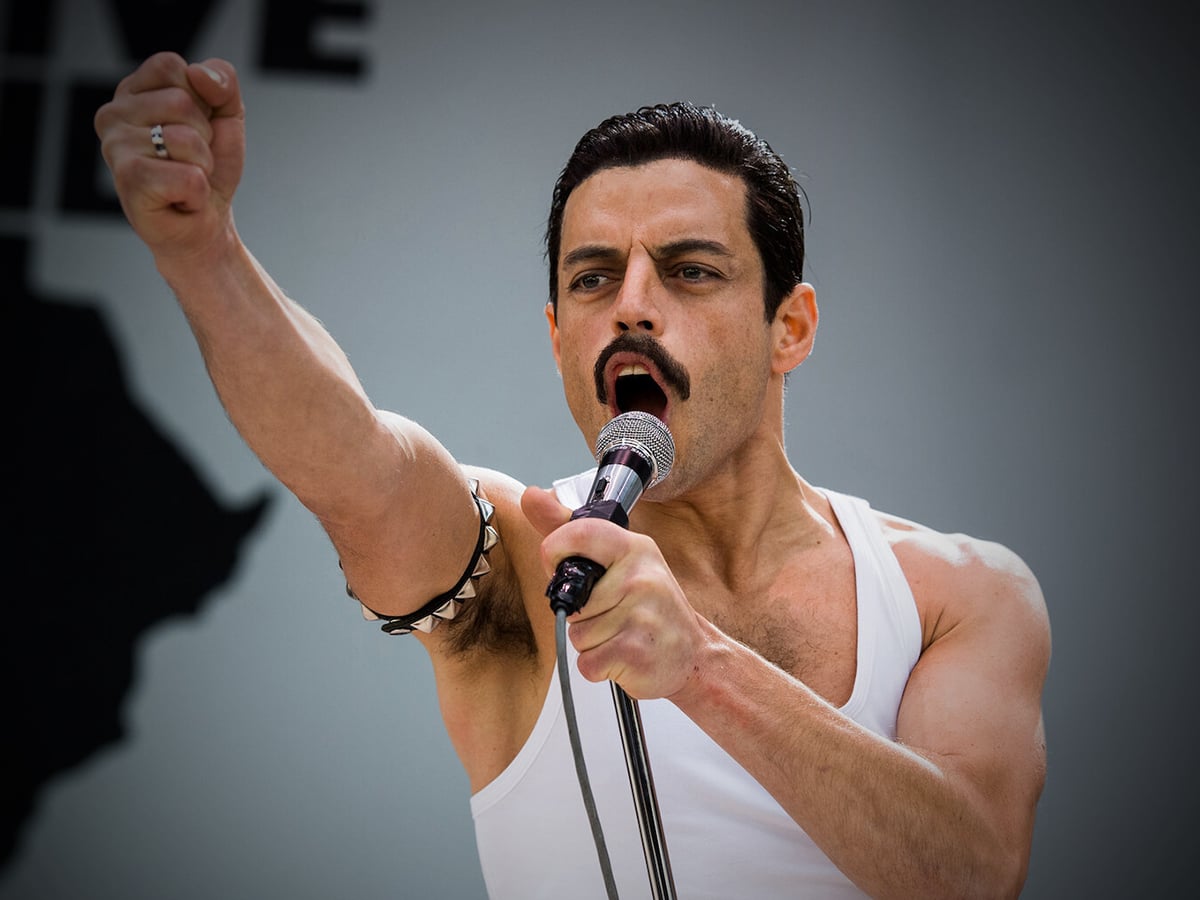
Biopics have always been a steady source of revenue for Hollywood, especially ones about musicians. However, in recent years, we’ve seen a huge spike in the number of high-profile origin stories. Bob Marley, Amy Winehouse, Elton John, Bob Dylan, Robbie Williams, Elvis Presley, Whitney Houston; all of these stars have had their lives transposed onto the big screen with, shall we say, ‘varying’ results. You could argue that this modern version of the trend began with Bohemian Rhapsody.
The success of this Queen biopic – Rami Malek won ‘Best Actor’ at the Oscars for playing Freddie Mercury – gave the green light for studios to make films about anyone who ever entered a recording studio. Unfortunately, they don’t always get everything right. Take the scene where Freddie reveals to the rest of the band that he has AIDS. According to the film, this happened in 1985. In reality, Mercury wasn’t even diagnosed with the disease until 1987. This bending of the truth is an extremely worrying approach, especially given that Brian May and Roger Deacon were so heavily involved in the production of the movie.
Is that Peter Cushing? – ‘Rogue One: A Star Wars Story’ (Gareth Edwards, 2016)
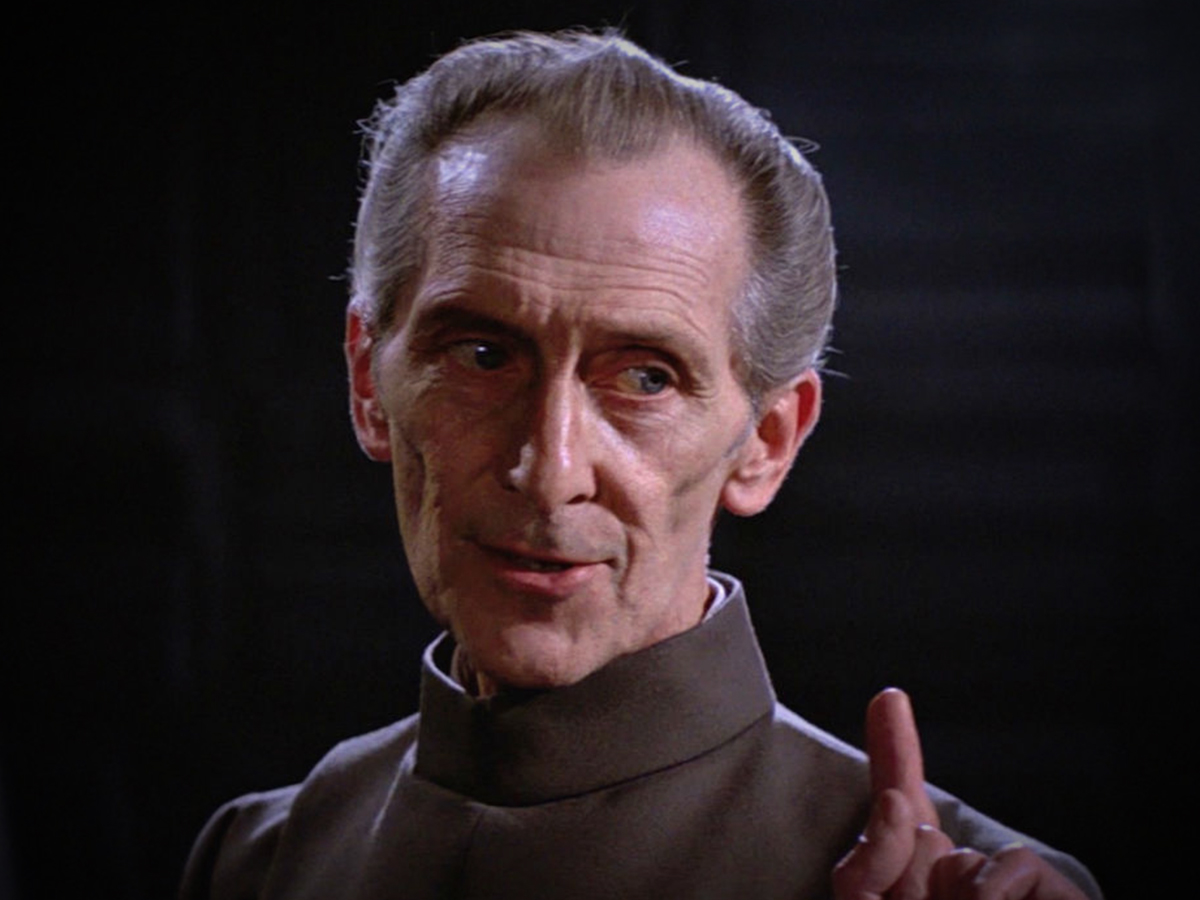
On the whole, Rogue One is absolutely spectacular. Gareth Edwards’ prequel to the original mid-trilogy (‘Star Wars’ is confusing, isn’t it?) is unlike any movie in the series’ illustrious canon. In this writer’s humble opinion, it’s the best film in the entire franchise. Alas, although it did a lot of good things like showing us Diego Luna’s beautiful face, Rogue One isn’t completely void of sin. Its most egregious transgression is participating in a practice that is only going to get more controversial as technology improves – resurrecting dead actors through CGI.
Peter Cushing, who played Grand Moff Tarkin in A New Hope, died in 1994, yet his face is all over Rogue One. Actor Guy Henry served as a body double for the deceased star, whose digitally-reconstituted visage was then overlaid. Not only was it incredibly unnerving to see an actor in a film who’d been dead for over two decades, this technique raises all sorts of ethical questions, especially as AI continues to improve and integrate into our society. Rogue One is far from the only culprit here – Alien: Romulus brought back Ian Holm, Ghostbusters: Afterlife (ironically) brought back Harold Ramis etc. – but it was the one that helped usher this macabre procedure into the mainstream.
The tidal wave – ‘Die Another Day’ (Lee Tamahori, 2002)
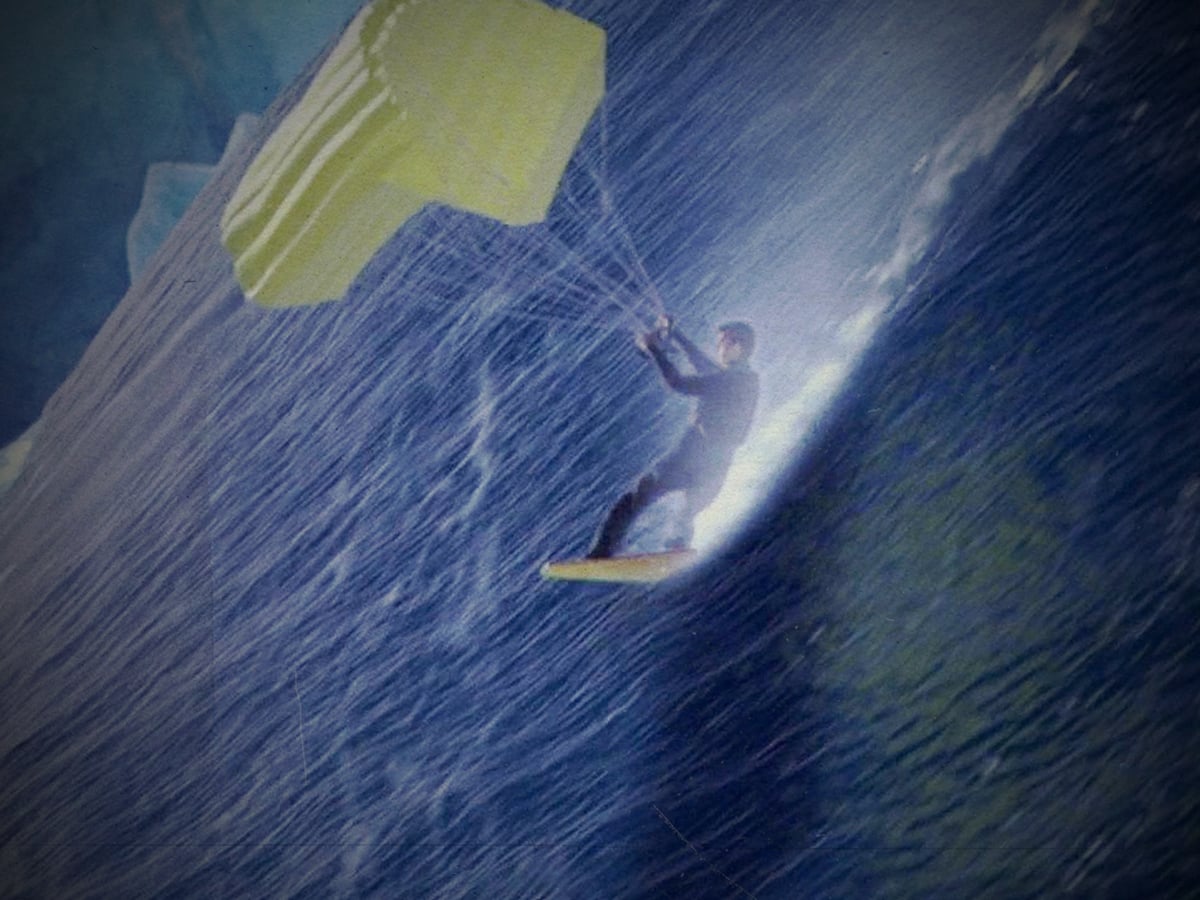
Speaking of CGI, you can’t discuss 21st-century movie trends without talking about the overreliance on technology. Directors have been experimenting with CGI since the 1960s, but, since the clock ticked over into the new millennium, it has become a force majeure in the industry. Elaborate, hand-built sets that would have taken hours of craftsmanship and employed dozens of people have been replaced with a green screen and someone clicking a mouse. Fans of tangible cinema regular accuse modern filmmakers of laziness when it comes to CGI, and nowhere is this more obvious than in the 20th official outing of James Bond.
During an infamous scene in Die Another Day, Pierce Brosnan’s 007 surfs his way down an icy tidal wave. What could have been one of the coolest scenes in Bond history is instead remembered for some of the worst CGI ever committed to film. The sight of Brosnan wobbling about on top of water that’s about three shades too blue is nothing short of hilarious. It completely ruins the moment, and yet it didn’t put Hollywood off embracing the technology to an extent where it’s now part of pretty much every major release.
“Chicken jockey!” – ‘A Minecraft Movie’ (Jared Hess, 2025)
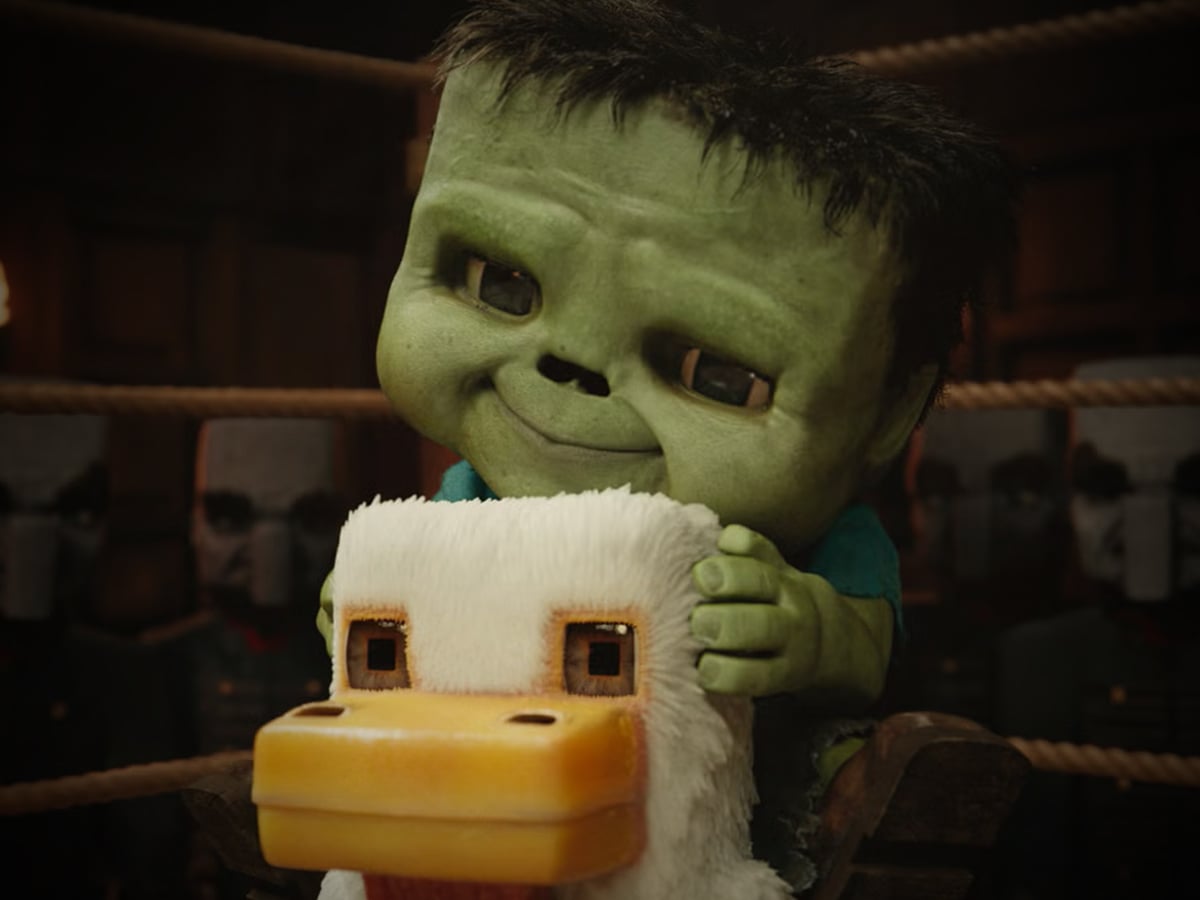
Honestly, you could have chosen any moment from this embarrassing husk of a film. A Minecraft Movie is a soulless, vampiric production designed solely to siphon money from the parents of small children. Everyone involved in it should be ashamed of themselves, but that’s not what we’re here to discuss. We’re here to discuss the infuriating viral moment that the film created. You’ve all seen this scene. Jack Black (shame) and Jason Momoa (shame) are fighting a chicken, when a little zombie creature drops down from a box and lands on the bird’s back. Cue Black uttering the immortal line – “Chicken jockey!”
The phrase quickly entered the public lexicon thanks to TikTok. Videos of groups of teenagers going absolutely ballistic in theatres after the line was delivered did the rounds online, prompting cinemas (and Black himself) to beg people to behave themselves during screenings. While the people behind A Minecraft Movie probably didn’t intend for things to go this far, that line was most definitely added to go viral. With TikTok playing such a huge part in modern culture, screenwriters are adding lines to film with the sole intention of appeasing the algorithm. It’s a disgusting trend that undermines everything about the creative process, and it’s only going to get worse.
